
For more than a decade, League of Legends has been known primarily as one of the world’s most competitive online games. Yet beneath the surface of fast-paced matches lies a narrative universe that has steadily grown into a sprawling epic. What may surprise some is just how much this lore resonates with comic book fans. From serialized storytelling to character-driven drama, the world of Runeterra mirrors many of the qualities that make comics so enduring.
A Serialized Universe, Much Like Comics
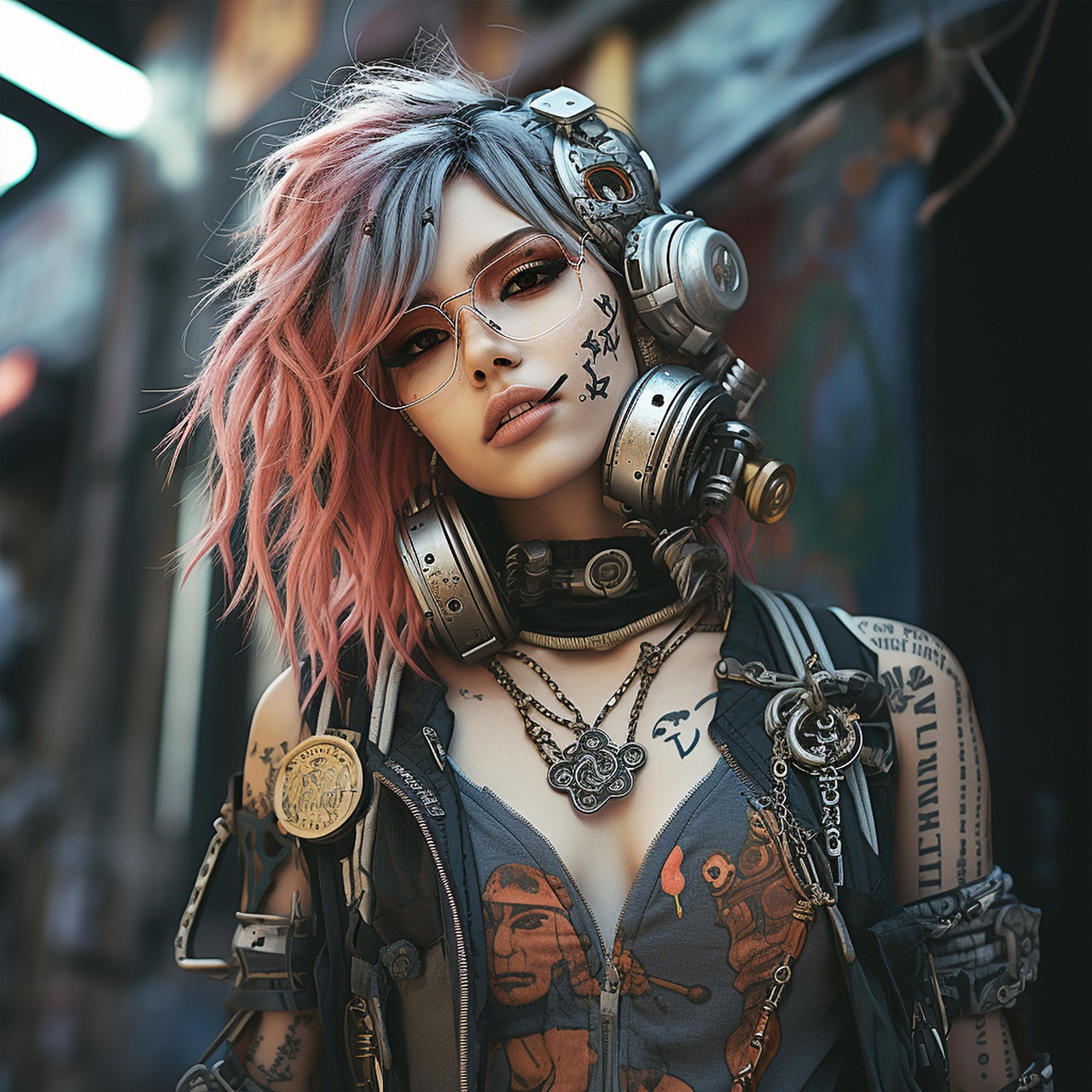 One of the defining traits of comic book storytelling is serialization. Readers follow monthly issues that piece together a larger saga, weaving in character arcs and crossover events. Riot Games has built League of Legends lore in a strikingly similar way. Champions are introduced with brief bios, but their stories don’t end there. Instead, they are expanded across short stories, cinematic animations, and even officially published comics.
This fragmented yet interconnected approach encourages fans to assemble the bigger picture over time. Just as Marvel or DC readers eagerly await the next reveal, League of Legends players and skin enthusiasts watch closely for new narrative updates that might redefine their favorite champions—or shake up the entire world of Runeterra.
Heroes, Villains, and Everything In Between
Comic fans are drawn to archetypal struggles between good and evil, but also to the gray spaces where characters wrestle with morality. League of Legends thrives on the same dynamic. Champions like Garen and Darius embody heroic and militaristic ideals, while characters such as Thresh or Evelynn lean into villainy. Others, like Jinx, blur the line—her chaotic energy echoing the anarchic appeal of comic book anti-heroes like Harley Quinn.
These character archetypes make the lore feel familiar to anyone raised on superhero sagas. The conflicts are larger than life, yet grounded in deeply personal motivations—a formula that has kept comic book readership alive for generations.
Expanding Worlds and Crossovers
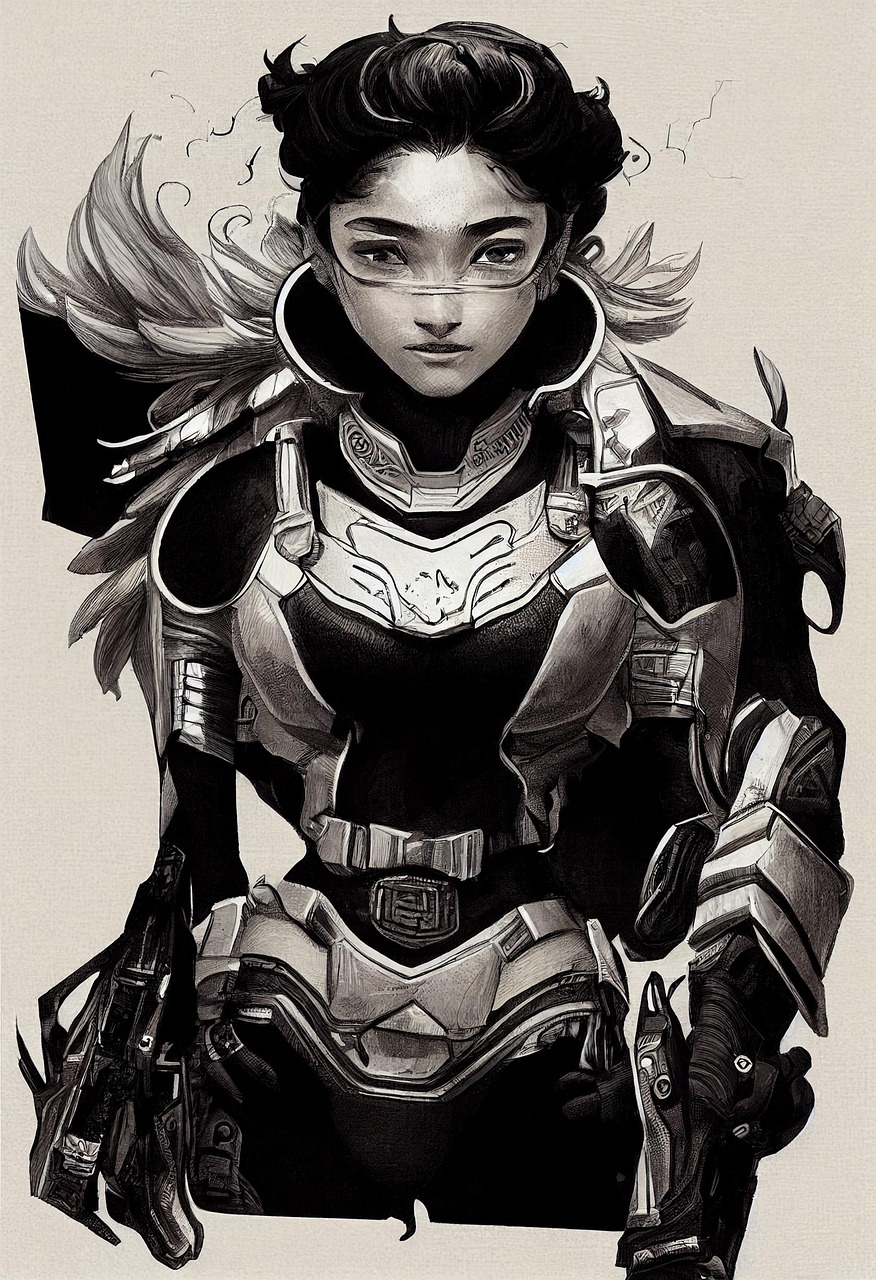 Comic universes are famous for sprawling settings and unexpected crossovers, and Riot has adopted the same model. The continent of Runeterra is divided into regions such as Demacia, Noxus, Ionia, and Piltover, each with distinct cultures and aesthetics. These settings often collide through wars, alliances, or personal rivalries—mirroring how Gotham, Metropolis, and Atlantis coexist in the DC Universe.
Major events, such as the Sentinels of Light storyline, play out across multiple media formats, bringing together champions from different corners of the map. These narrative “crossover events” generate excitement that feels very much like a blockbuster comic arc.
A Multiplatform Storytelling Strategy
Where comics once expanded into cartoons and films, Riot Games takes a similar multiplatform approach. League of Legends lore isn’t confined to written entries on a website. Instead, it breathes through cinematic shorts, music videos, and the acclaimed Netflix series Arcane. Each new medium deepens character backstories while pulling in fans who might not even play the game.
This multimedia expansion mirrors how comic book heroes transitioned from print to the big screen, bringing their universes to wider audiences. For comic book fans, the familiarity of watching beloved characters evolve across different formats makes the League experience feel instantly recognizable.
Why Comic Fans Feel at Home in Runeterra
Ultimately, League of Legends lore appeals to comic book fans because it promises the same thing comics always have: an evolving, interconnected universe filled with flawed heroes, cunning villains, and stories that never truly end. Every new champion release or lore update feels like the next issue in an ongoing series—a chance to glimpse another corner of a world that continues to grow richer with time.
In this way, Riot Games has positioned League of Legends not just as a game but as a living, serialized narrative. And for fans of comic books, that means Runeterra isn’t just familiar—it feels like home.
About Author
