
Many individuals search for new paths to maintain their daily physical and mental comfort. Standard options do not always fulfill the specific needs of modern shoppers looking for natural solutions. The situation causes people to explore options outside of conventional methods.
Shifting consumer mindsets steer people toward botanical ingredients instead of artificial formulations. The cultural transition changes how people view long-term self-care and daily wellness. People want direct control over their physical routines.
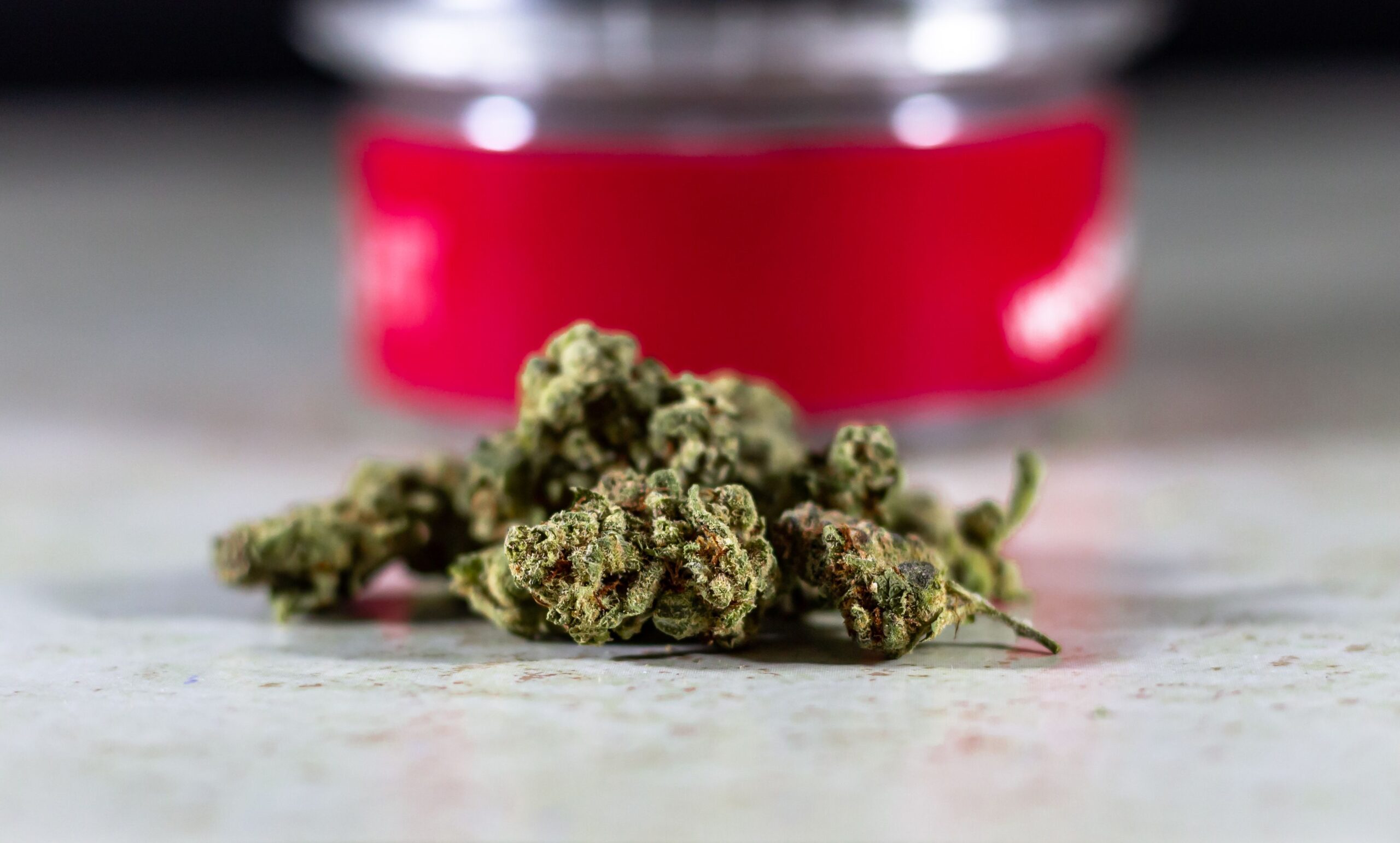
Rising Demand for Natural Remedies
Modern buyers prefer products that support a clean lifestyle. They look for ingredients derived directly from plants to assist with relaxation and physical health. The trend demonstrates a growing commitment to clean living across different generations.
Pure ingredients require proper delivery methods to remain effective. Finding clean hardware is critical for cannabis oil brands seeking to provide a premium consumer experience. Reliable devices prevent contamination and preserve the natural profile of the extracts.
Shoppers pay close attention to the manufacturing processes behind their purchases. They require full transparency from businesses before committing to a brand. Open communication helps build strong relationships between buyers and manufacturers on a permanent basis.
Shifting Views on Plant Compounds
Social views on botanical extracts experienced a major shift during the past decade. Public perception moved away from skepticism toward an open acceptance of plant options. People see value in traditional herbal solutions.
A prominent medical journal highlights several factors regarding the global shift:
- Cannabis was once heavily stigmatized and illegal across most geographic regions.
- Modern institutions now recognize the plant for its therapeutic benefits.
- An expanding body of scientific research supports these medical applications.
Increased education allows people to make smart choices regarding their health. Having access to factual data removes old social stigmas. Consumers feel equipped to build routines that address their unique physical requirements.
Economic Growth in Wellness Sectors
The rising consumer appetite generates major economic developments across the globe. Production facilities increase their output capacity to satisfy the expanding needs of global buyers. Businesses invest heavily in developing reliable supply chains.
An industry analysis showed the global cannabidiol sector reached a value of $18.2 billion. Financial experts predict the market will rise from $20.5 billion to $39.7 billion by 2033. A steady compound annual growth rate of 9.9% marks the financial progression.
Financial backing from major investment groups allows companies to scale up operations. Funding drives the creation of diverse product types for different consumer demographics. Better capital distribution leads to affordable retail options.
Expanding Options for Health Consumers
Products aimed at consumer health occupy a large space in retail stores. Buyers select from oils, topical items, and ingestible options based on their personal taste. Variety allows individuals to customize their health journey.
A market research study calculated the consumer health segment at $23.94 billion. Projections indicate the field will hit $84.94 billion by the year 2035. The market expands at an annual compound rate of 14.01% during this timeline.
Commercial development means people find items in standard supermarkets. Easy availability reduces structural hurdles for curious shoppers. Broad distribution networks normalize alternative health choices within mainstream society and local communities.
Personalization of Daily Routines
Modern self-care highlights the importance of custom routines. A single plan cannot satisfy the distinct needs of every person looking for wellness. Customization helps individuals find balance in their hectic schedules.
People combine multiple strategies to meet their wellness targets. A balanced routine often incorporates daily exercise to maintain strength. Proper hydration and whole foods help sustain energy levels throughout the day.
Tracking individual habits allows people to make necessary adjustments. Small modifications lead to noticeable improvements in daily comfort levels. Consistency remains the primary factor in achieving positive outcomes for long-term health.
Future Trends in Holistic Care
Technology plays a significant role in how people access natural wellness. Mobile applications help users measure their daily intake and monitor long-term results. Digital tools provide greater clarity for individuals managing their wellness journey.
Production methods will continue to advance to provide cleaner formulations. Regulatory oversight helps guarantee that items meet safety guidelines before reaching store shelves. Standardized testing gives buyers confidence regarding product contents.
Communities gather online to share personal experiences and discuss various herbal remedies. Peer recommendations influence purchasing decisions heavily compared to traditional advertisements. Sharing knowledge creates a helpful environment for beginners.

The movement toward alternative options shows a clear shift in consumer priorities. Individuals want control over their wellbeing through informed lifestyle choices that fit their daily lives.
As markets grow and science advances, some choices will become common. Welcoming natural options marks a new era of personal health management for people worldwide.
About Author
