
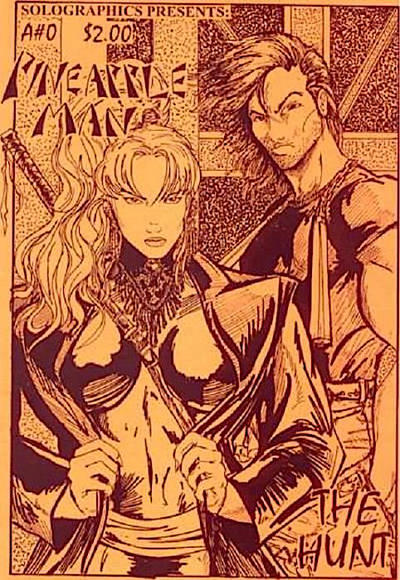
 Independent comics have long been home to some of the industry’s most original superheroes, but few are as unique or culturally significant as Pineapple Man, the Hawaiian superhero created by artist and writer Sam Campos. Long before diversity became a major focus in mainstream comics, Campos introduced readers to a hero deeply rooted in Hawaiian mythology, local culture, and the realities of island life. The result was a comic that stood apart from anything produced by Marvel or DC, proving that superheroes could thrive outside the traditional comic book capitals of New York and Los Angeles.
Pineapple Man first appeared in 1994 through Campos’ independent publishing company, SoloGraphics. Although the series enjoyed only a handful of issues, it developed an enthusiastic following that continues to appreciate its originality decades later. For many readers in Hawaii, Pineapple Man represented something they had rarely seen in comics—a genuine local hero whose stories reflected their own culture rather than borrowing from familiar American superhero traditions.
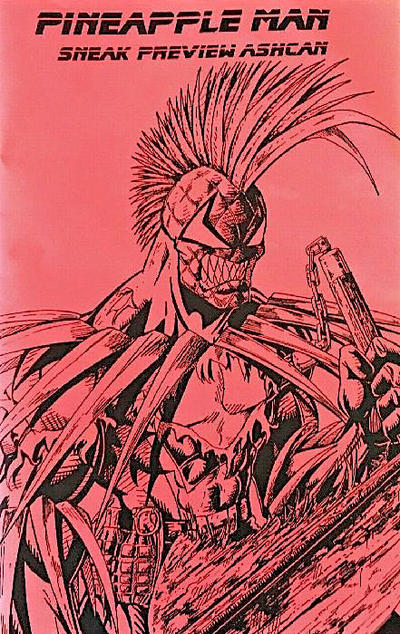 Ironically, Pineapple Man owes his existence to a classroom assignment. While attending Kahuku High School, Campos was caught reading comic books during art class. His teacher, Ted Uratani, challenged him to stop reading comics and instead create one of his own. What began as a humorous exercise soon evolved into a serious creative project. Campos originally imagined a team of Hawaiian-themed heroes before eventually focusing on a single character whose design and mythology would become increasingly sophisticated over the years. Rather than abandoning the idea after graduation, he continued refining Pineapple Man until he felt the character was ready for publication.
Like many independent creators during the early 1990s, Campos faced enormous obstacles. Digital publishing tools were virtually nonexistent for independent artists, forcing creators to rely on traditional illustration techniques, paste-up layouts, and expensive printing costs. Campos has recalled producing pages with little more than markers, glue sticks, and determination. Together with his then-wife Genesis, he launched SoloGraphics and self-published Pineapple Man, demonstrating the kind of entrepreneurial spirit that defined independent comics during that era.
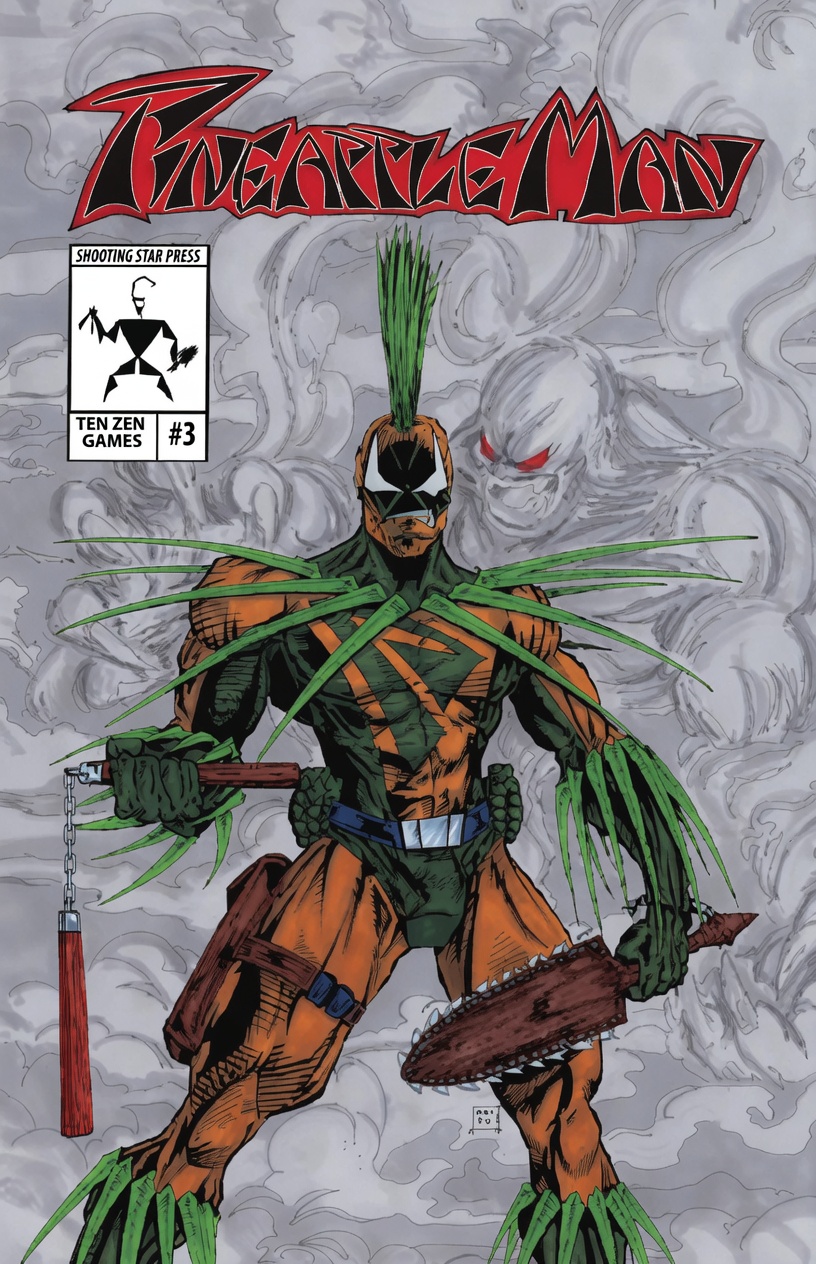
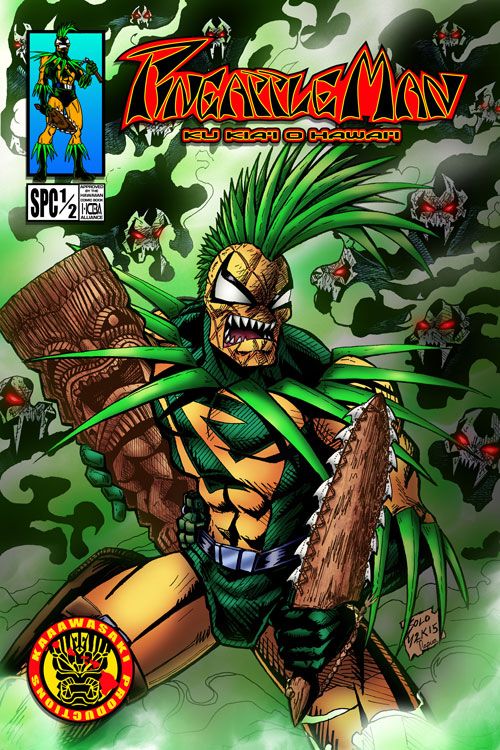
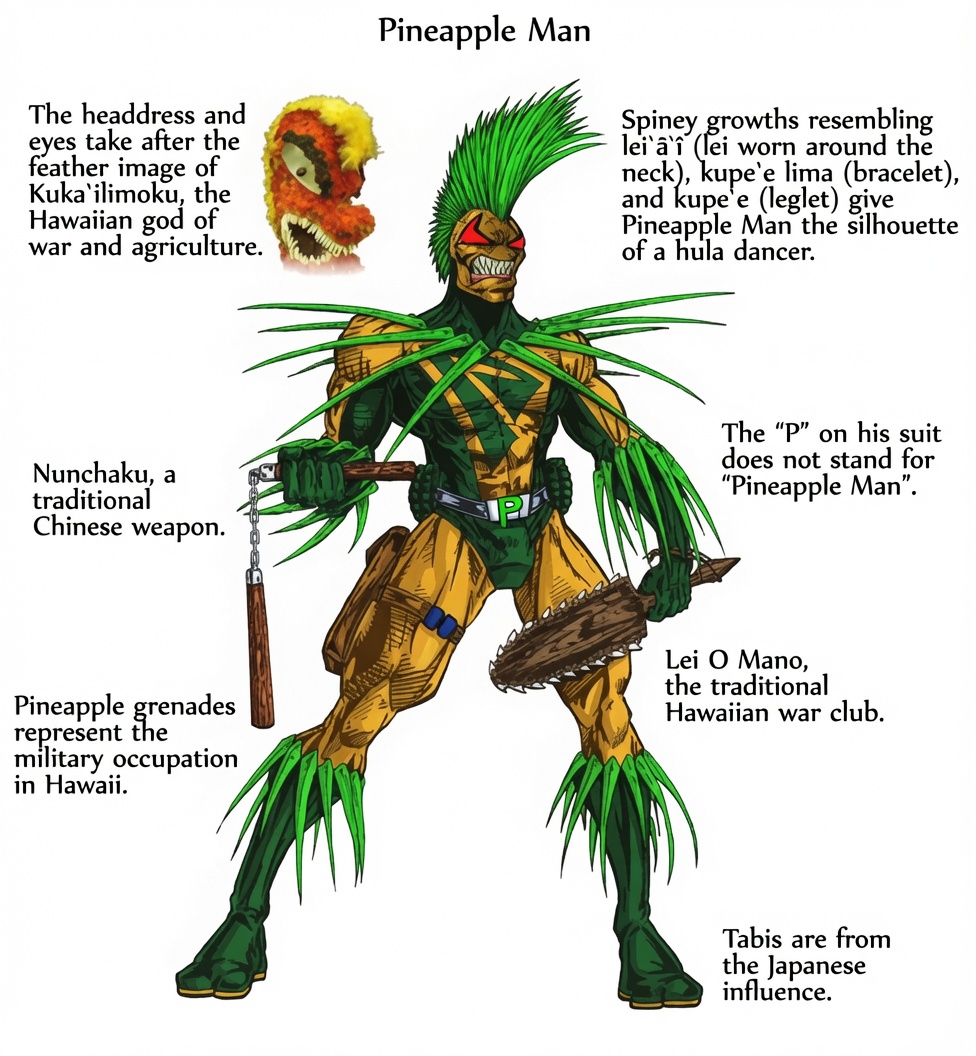
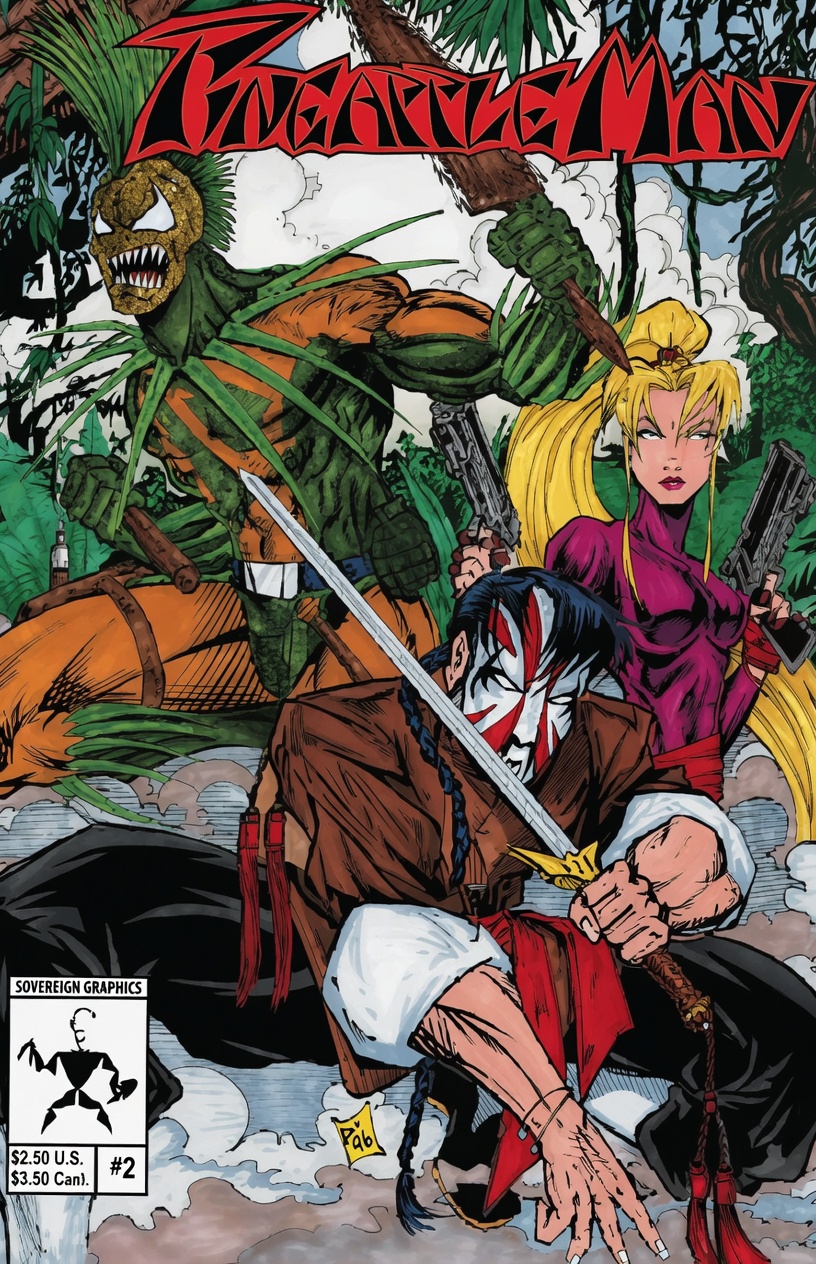 The hero himself is unlike almost any other superhero in comics. Pineapple Man’s alter ego is Isamu Pahoa, a young Hawaiian man whose life takes a tragic turn after becoming involved with organized crime. Betrayed by crime boss Shigeru Kawafuchi, Isamu is shot and left to die atop an ancient Hawaiian heiau dedicated to Kūkaʻilimoku, the Hawaiian god of war. Instead of dying, supernatural forces transform him into a powerful warrior whose appearance resembles ancient carved Hawaiian war idols. Covered with hardened skin and natural spikes while possessing tremendous strength and agility, Isamu reluctantly embraces the identity of Pineapple Man and dedicates himself to protecting others.
What makes Pineapple Man especially memorable is that his powers are inseparable from Hawaiian mythology. Rather than relying on radioactive accidents, alien technology, or laboratory experiments, Campos grounded his hero in the legends and spiritual traditions of the islands. Hawaiian folklore, ancient gods, sacred locations, and supernatural creatures become integral parts of the narrative, giving readers a perspective rarely explored in American superhero comics. The mythology never feels like window dressing; instead, it serves as the emotional and thematic foundation of the series.
 Campos also resisted portraying Hawaii merely as a tropical paradise. His stories acknowledge the beauty of the islands while exploring crime, corruption, identity, and personal responsibility. Isamu Pahoa is not born a hero. He begins as a flawed individual whose poor decisions nearly cost him his life. His transformation into Pineapple Man becomes both a supernatural rebirth and a moral redemption, giving the character emotional depth that resonates beyond traditional superhero action.
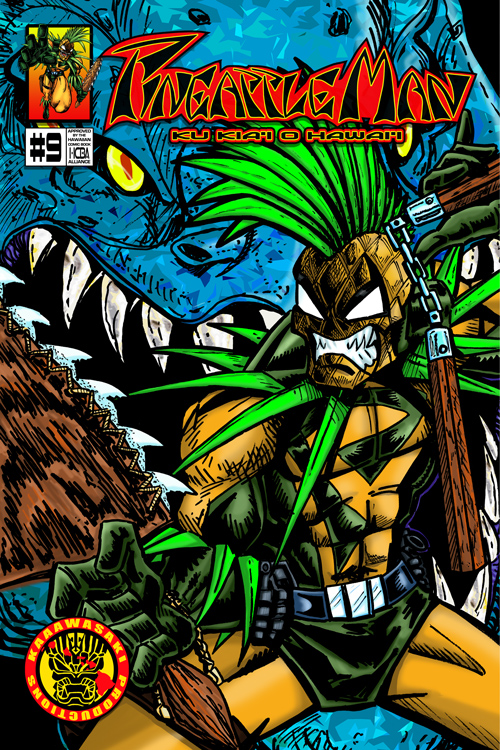
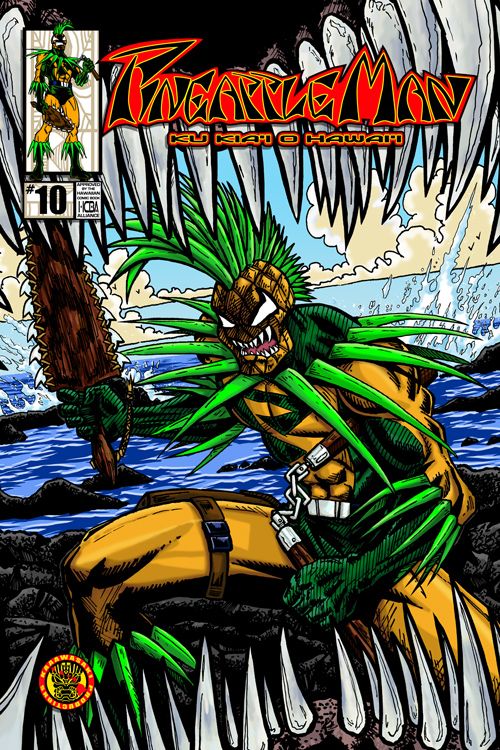
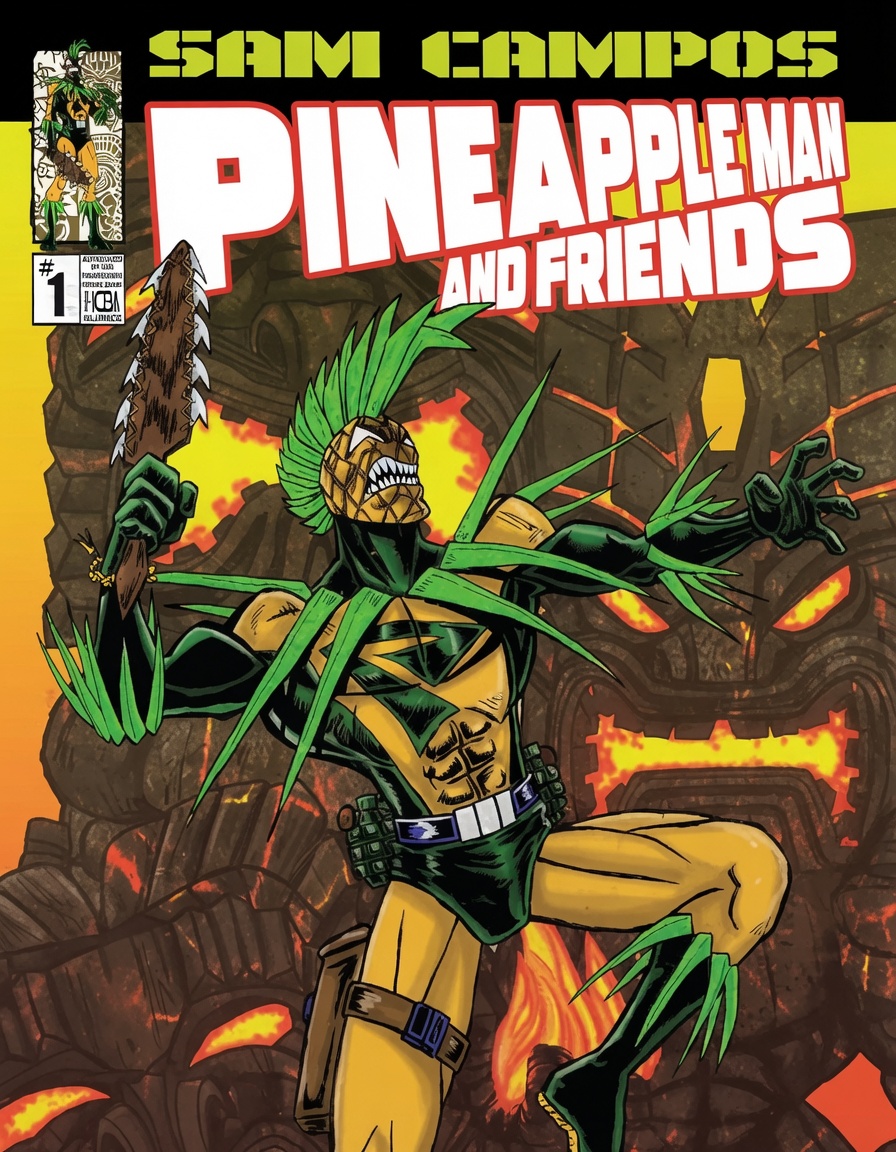
Visually, Pineapple Man is unforgettable. His pineapple-inspired silhouette initially sounds humorous, but Campos transformed the concept into an intimidating warrior whose appearance reflects both ancient Hawaiian carvings and modern superhero design. Thick armor-like skin, jagged spikes, and an imposing physique create a hero who looks more like a mythological guardian than a conventional costumed crimefighter. The design demonstrates Campos’ ability to blend cultural symbolism with dynamic comic book aesthetics.
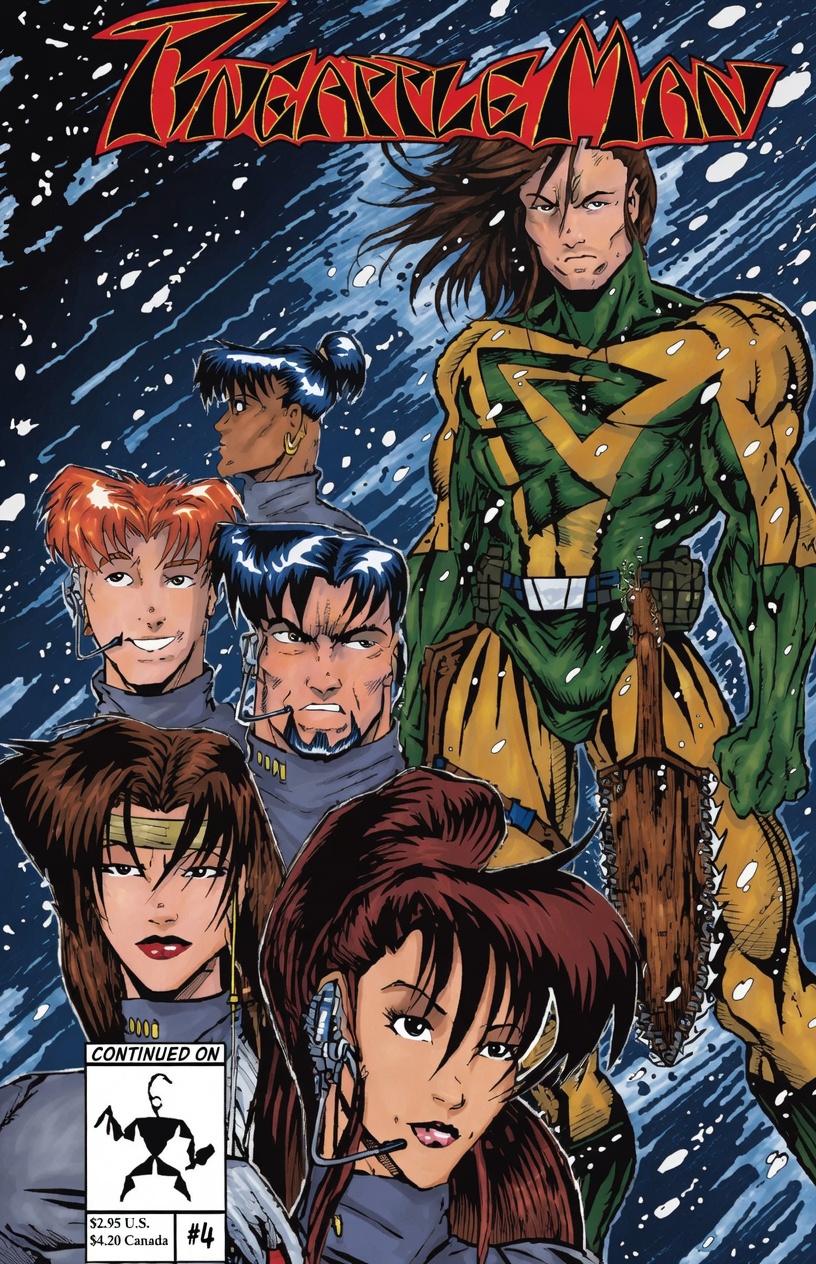 Campos’ artwork likewise evolved throughout the series. Influenced by American superhero comics, manga, and martial arts cinema, his pages feature energetic action sequences, expressive characters, and cinematic storytelling. His experience with fight choreography and storyboarding would later influence his professional work in television and film, skills already evident in Pineapple Man’s carefully staged combat scenes.
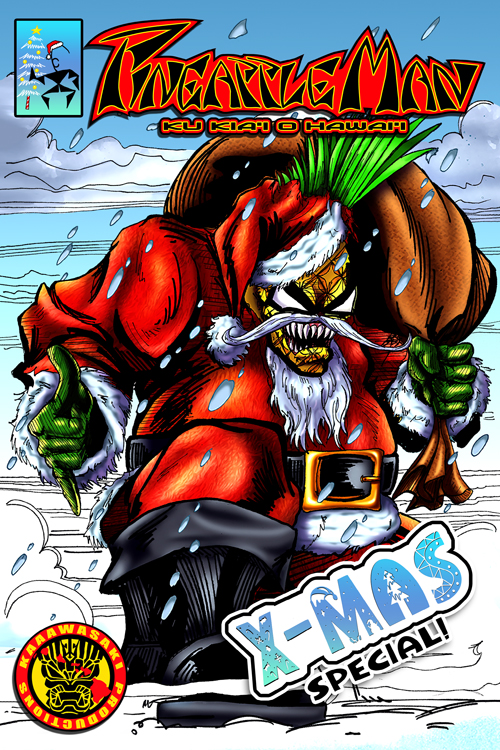
Despite being independently published, Pineapple Man achieved remarkable success. At its height, the comic reportedly outsold both Batman and X-Men in several Hawaiian comic shops—a remarkable accomplishment considering the dominance of Marvel and DC during the 1990s comic boom. The series expanded internationally and attracted readers intrigued by its distinctive setting and mythology. Although only a limited number of issues were published—including a memorable Christmas special—the comic demonstrated that locally produced independent comics could successfully compete with industry giants.
 Unfortunately, life circumstances eventually placed the series on hiatus before many of Campos’ planned stories could be told. Rather than disappearing entirely, however, Pineapple Man found new life through digital publication, allowing new generations of readers to discover the character online. Campos has continued expanding his creative universe through projects such as Dragonfly, Kamenkaze, and other Hawaii-centered heroes published through Kaaawasaki Productions.
Beyond creating comics, Sam Campos has become one of Hawaii’s leading advocates for the local comic book community. He has taught graphic and sequential art, worked professionally in entertainment, and helped foster new generations of Hawaiian creators. His efforts demonstrate that Pineapple Man was never simply a single comic book; it became part of a broader movement encouraging local artists to tell stories inspired by their own heritage rather than imitating mainstream trends.
 Looking back more than three decades after Pineapple Man’s debut, the series feels remarkably ahead of its time. Modern audiences frequently celebrate comics that draw from diverse cultures and indigenous traditions, yet Campos was exploring those ideas years before they became widespread in the industry. His work reminds readers that authentic representation often begins with creators telling stories that reflect their own experiences and communities.
Today, Pineapple Man remains one of independent comics’ hidden gems. It combines mythology, superhero adventure, martial arts action, and Hawaiian culture into a compelling package unlike anything else on the comic book shelf. Although its publication history is relatively brief, its influence continues through Sam Campos’ ongoing creative work and through fans who recognize Pineapple Man as one of the most distinctive regional superheroes ever created. In an industry crowded with familiar icons, Pineapple Man proves that originality, cultural authenticity, and heartfelt storytelling never go out of style.
About Author
