
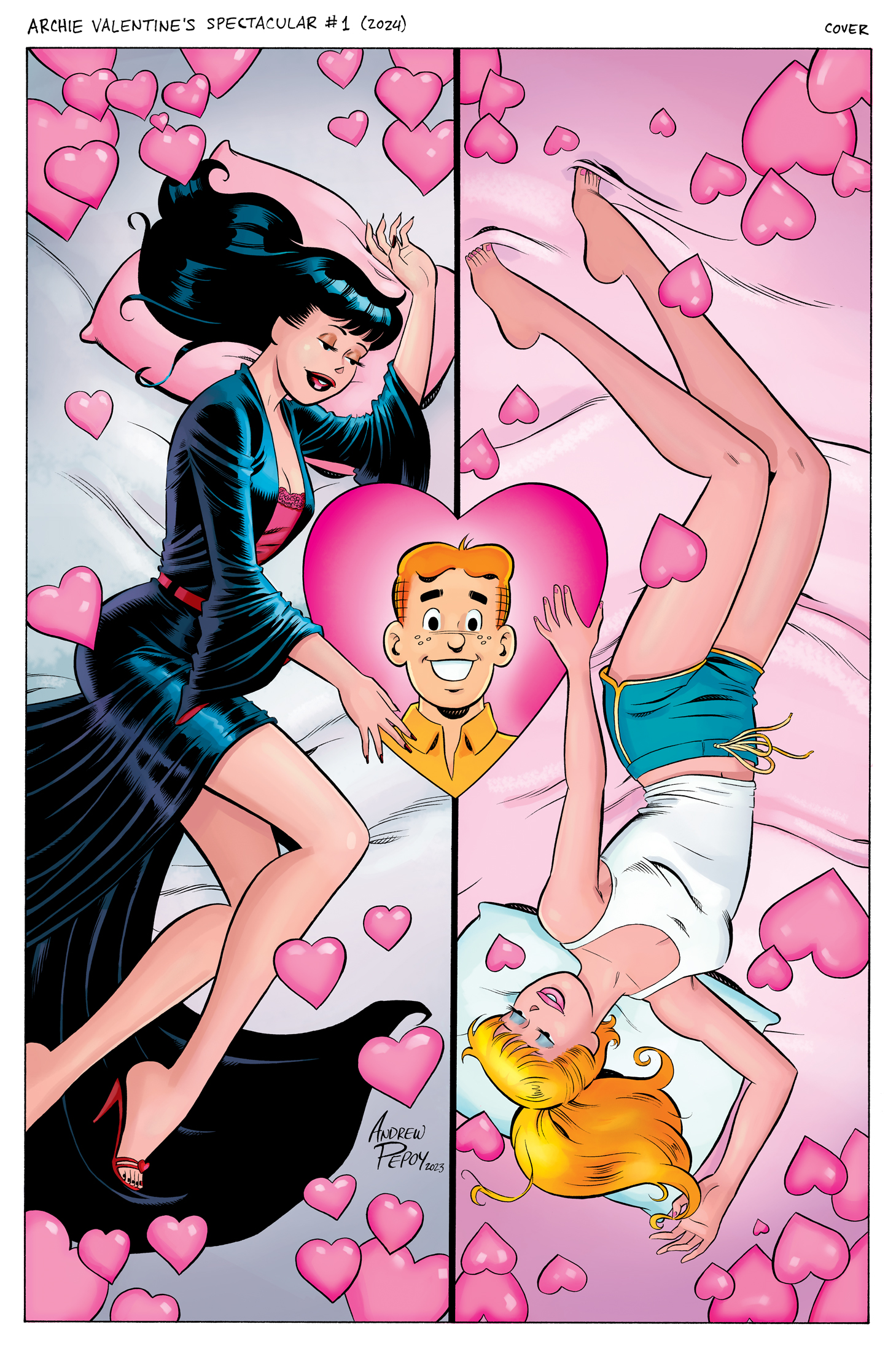
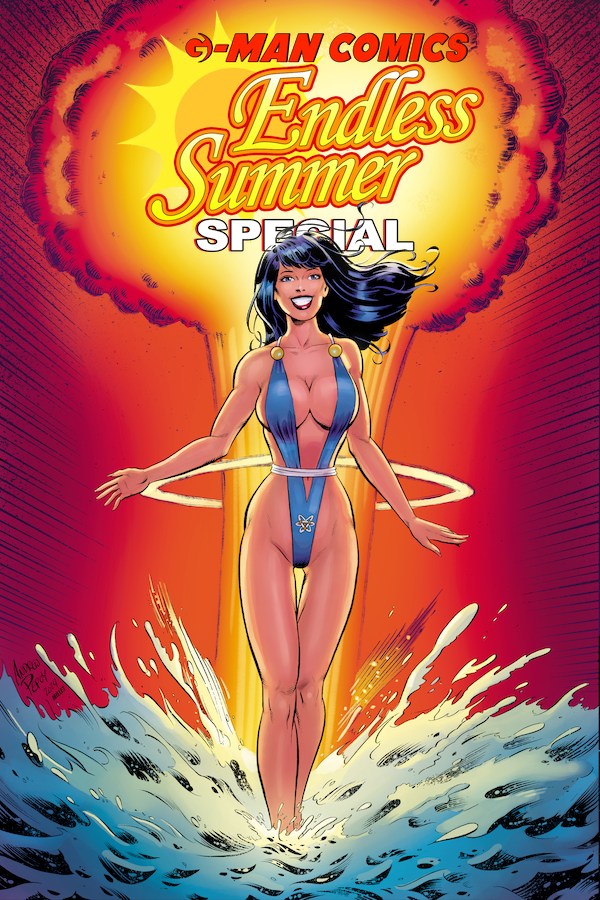
 Margeaux and I have known each other for about 20 years. We worked together at Archie for a decade. Margeaux knows my wife and son, and we’ve all had dinner together. I’ve interviewed Margeaux about a dozen times over the years, and Margeaux also provided a cover for G-Man Comics Endless Summer. I’ve known Margeaux for a long time, and in a way, I’m just meeting Margeaux now.
First Comics News: Take me back a bit, what kind of kid were you creatively?
Margeaux Pepoy: I was always creative, according to my parents, even if I don’t always remember it, but I did write and illustrate books in 2nd and 3rd grade for the Young Authors program. It was in 4th grade that I really got into comic books, and from there, that’s where my creativity went. Though in the lead-up to that, I got obsessed with “Peanuts” in 2nd grade, which really started my love of comics.
1st: Do you remember the first time you realized art really clicked for you?
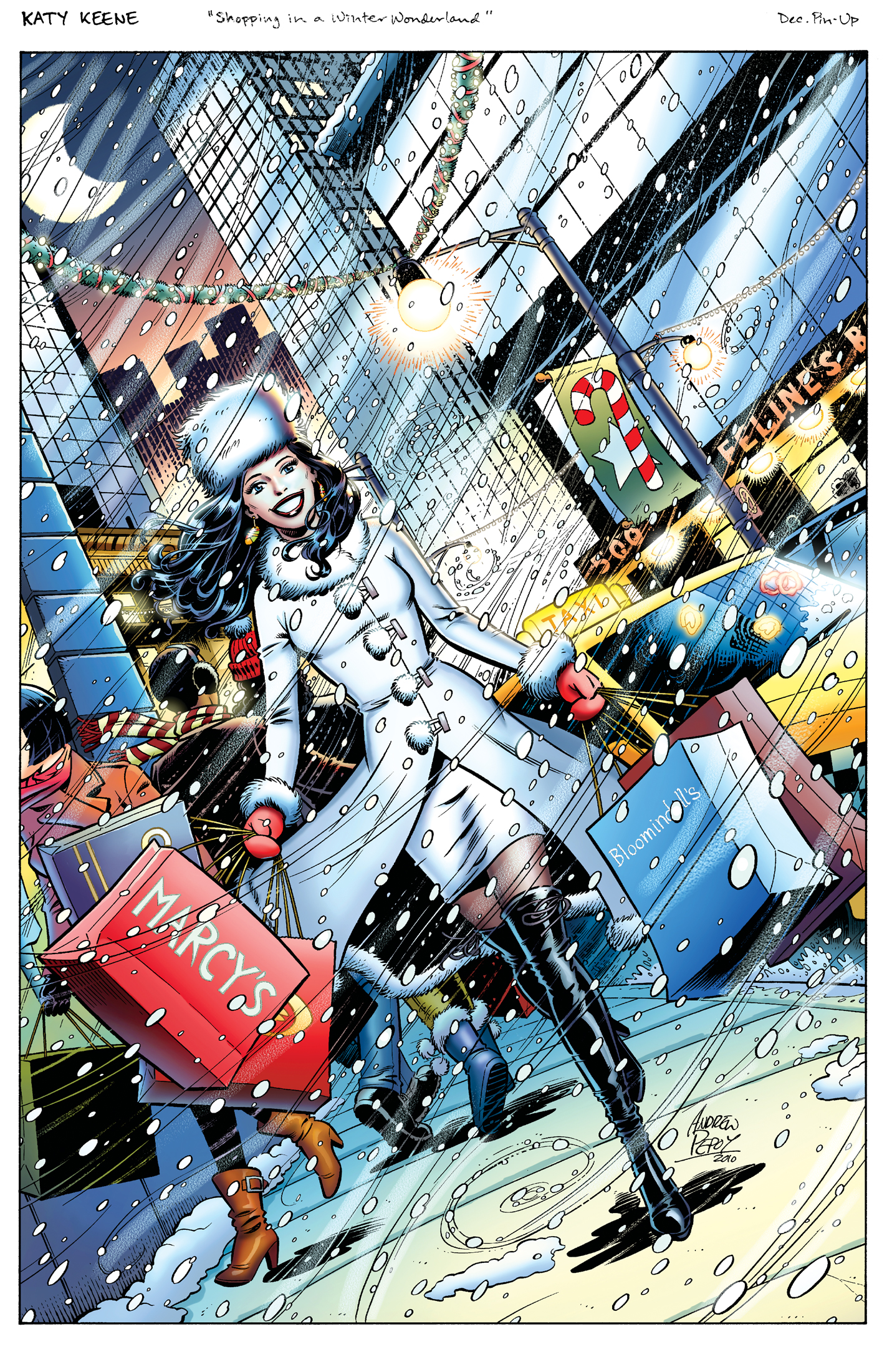 Margeaux: I was sick and stuck at home for a while in 4th grade, right after “Superman: The Movie” came out. My Mom brought me some comic books from the store. I started drawing the superheroes I loved. Pretty soon, I was doing that all the time. The heroes of The Justice Society were particular favorites.
1st: Was working in comics always the goal?
Margeaux: By 5th grade, yes. I tossed aside past career aspirations, such as being president, an accountant, or a ventriloquist. I started drawing pages and tried to get the local newspaper to publish my comics. By the summer after 6th grade, I was publishing my own fanzines.
1st: Who were the artists or creators you looked up to back then?
Margeaux: John Byrne was the big one for every kid at the time, but I also looked a lot at George Perez, Frank Miller, Steve Ditko, Wally Wood, Don Newton, and Brian Bolland. And Fred Hembeck!
 1st: Did anyone in your life really encourage your art early on?
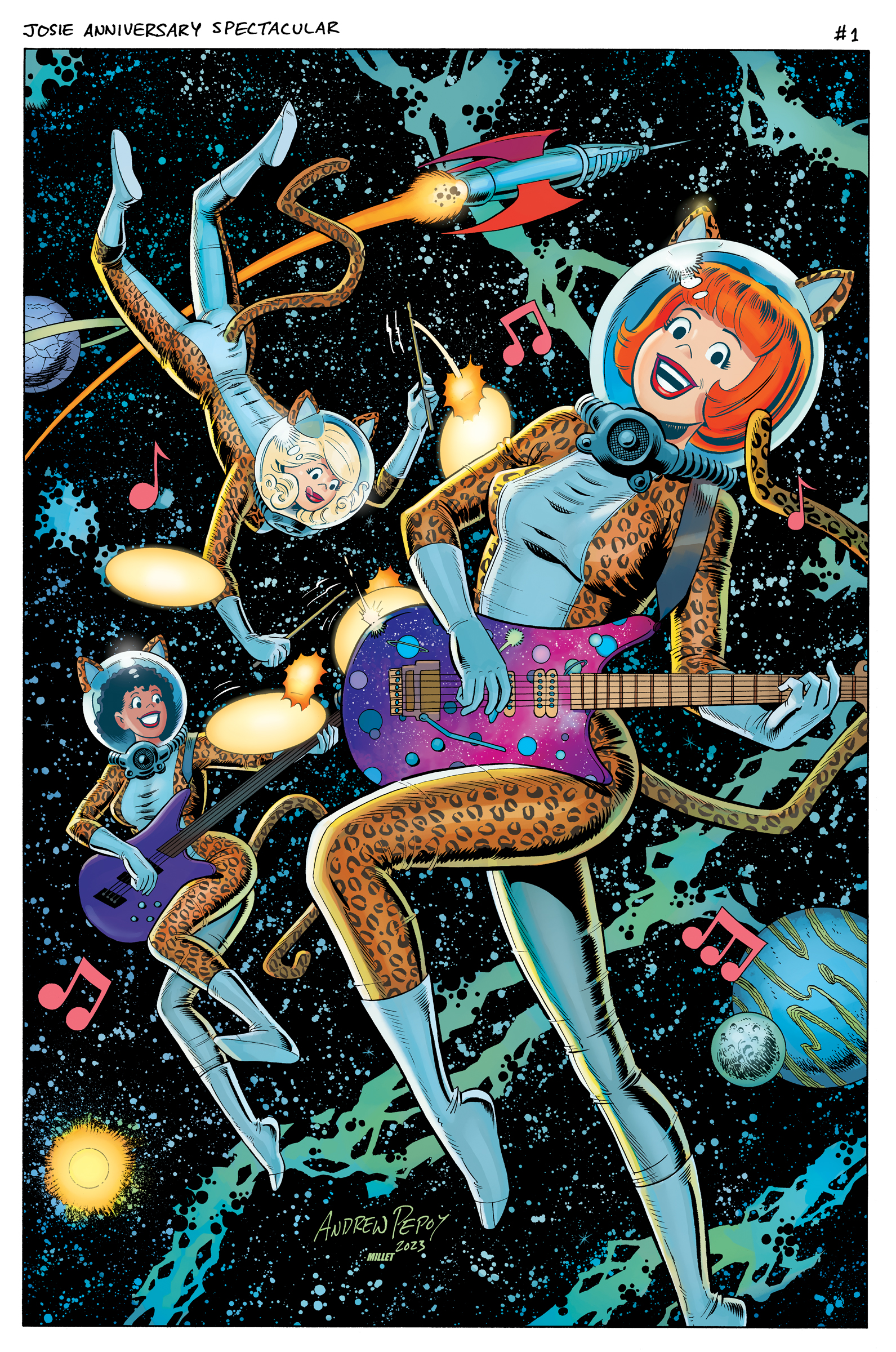
Margeaux: My parents were very supportive and bought me art supplies, took me to buy comics and to the library, drove me to a city to take classes, and much more. Rick Yager, the artist on Buck Rogers from 1933 to 1958, whom I met when I was 10 and with whom I would talk on the phone and occasionally visit. Mike Gustovich, creator of The Justice Machine, with whom I took classes when I was 12, and who also would talk with me. Tom Negovan, another kid from that Gustovich class, who encouraged me to make my first fanzine and bought 25 copies of it to sell at the comic book convention he put on in his garage when I was 12, and he was 10. Tom and I are still friends 45 years later!
1st: Did you do a lot of fanzine work?
Margeaux: Yes, I published my own line of fanzines starting in middle school and, once I connected with other fanzine publishers, did work on other fanzines. This led to me meeting many people who would be instrumental in my career in the years to come.
 1st: When did it start to feel like being a comic artist was within reach?
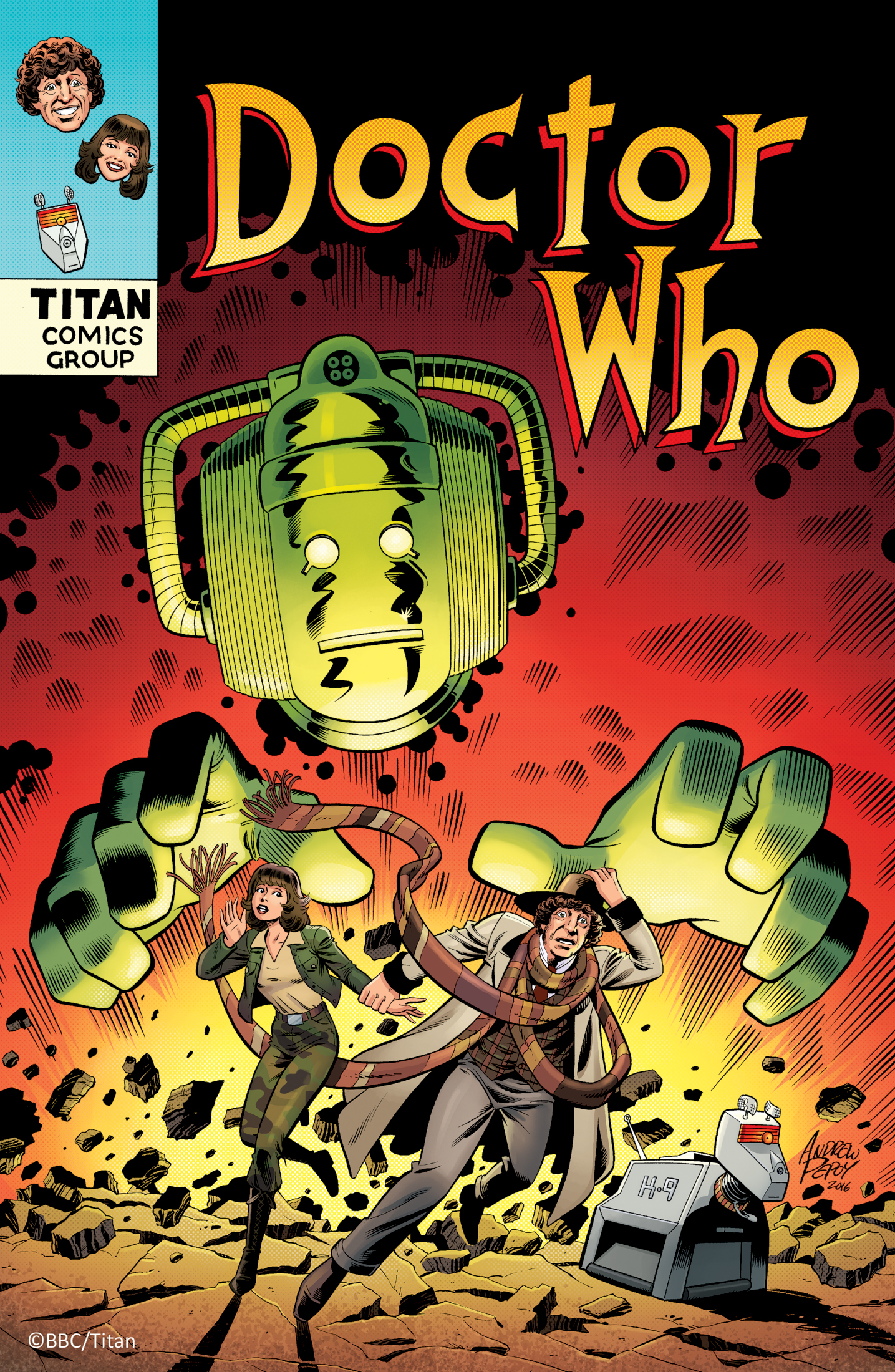
Margeaux: Probably when I was about 15 or 16, and I started to get nibbles from pro publishers, even though I didn’t quite get the jobs. Yet. But I was asked to do some tryouts for some smaller-press but still professional comics.
1st: What was your first paid art job?
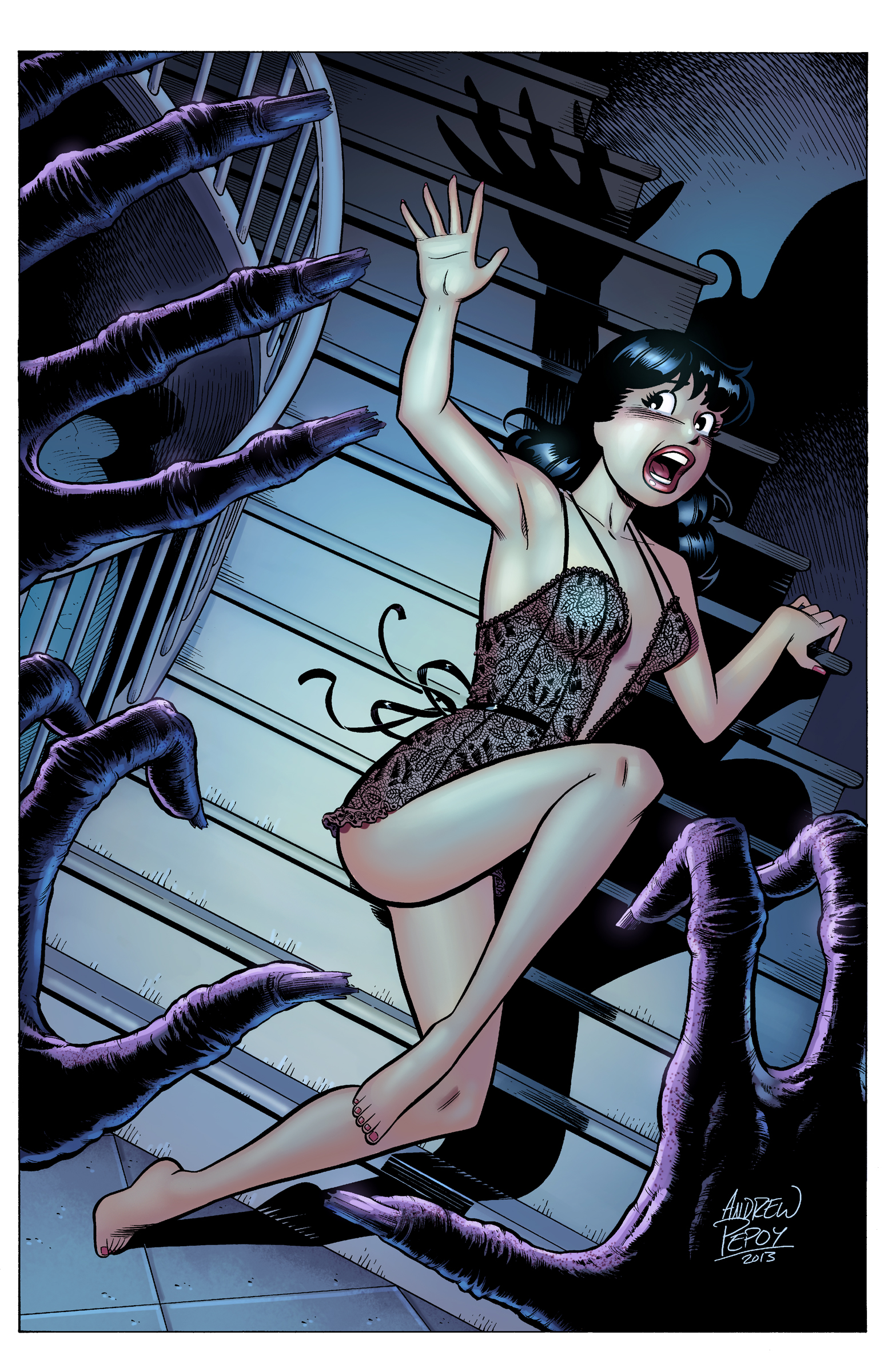
Margeaux: I’m sure I did a few paid art jobs during high school, but my first paid comics job was the weekly “Mr. Doom” strip I did with creator/writer Paul Curtis that ran in Comics Buyer’s Guide. I drew that during my senior year of high school and my freshman year of college.
 1st: How long were you a working artist before your first big break?
Margeaux: I was extremely lucky. I was still in school l when I went pro. I sold my first pro work to Caliber in 1989, right after my sophomore year of college. A one-pager that I wrote and drew, and another one-pager that Paul Curtis wrote. By the next summer, I’d landed inking a mini-series at Malibu, working with Tim Eldred, whom I’d worked with on fanzines. Then I landed my first work from DC and Marvel by going to the offices during the spring break of my senior year of college. Michael Davis, Bill Reinhold, and Paul Curtis helped get me appointments.
1st: How did you adjust to deadlines?
Margeaux: Well, it wasn’t too different from having to get paintings and papers in at school, so I adapted pretty quickly.
1st: I greatly prefer working on my own stories. What was it like for you being told what to draw for the first time?
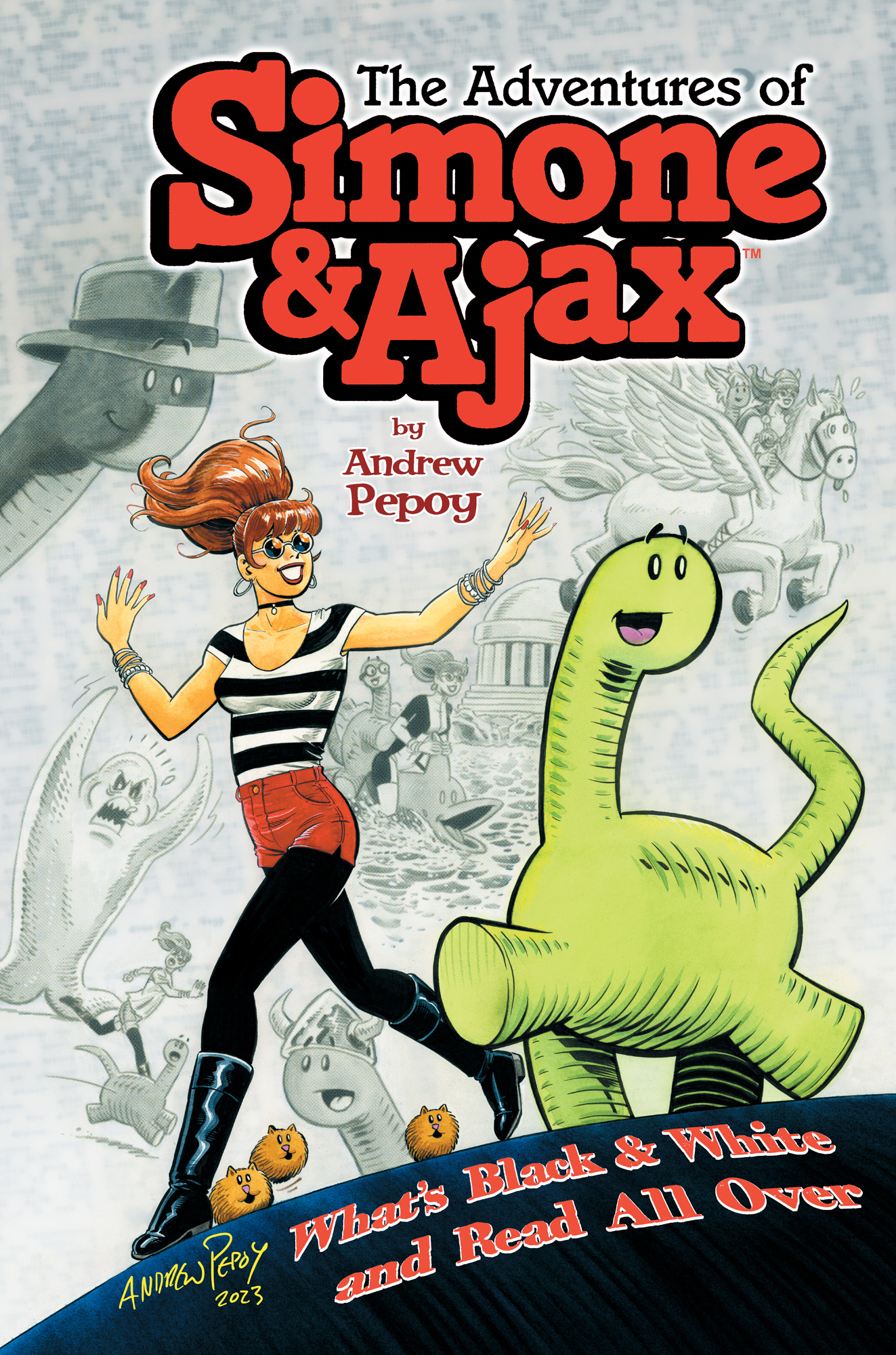
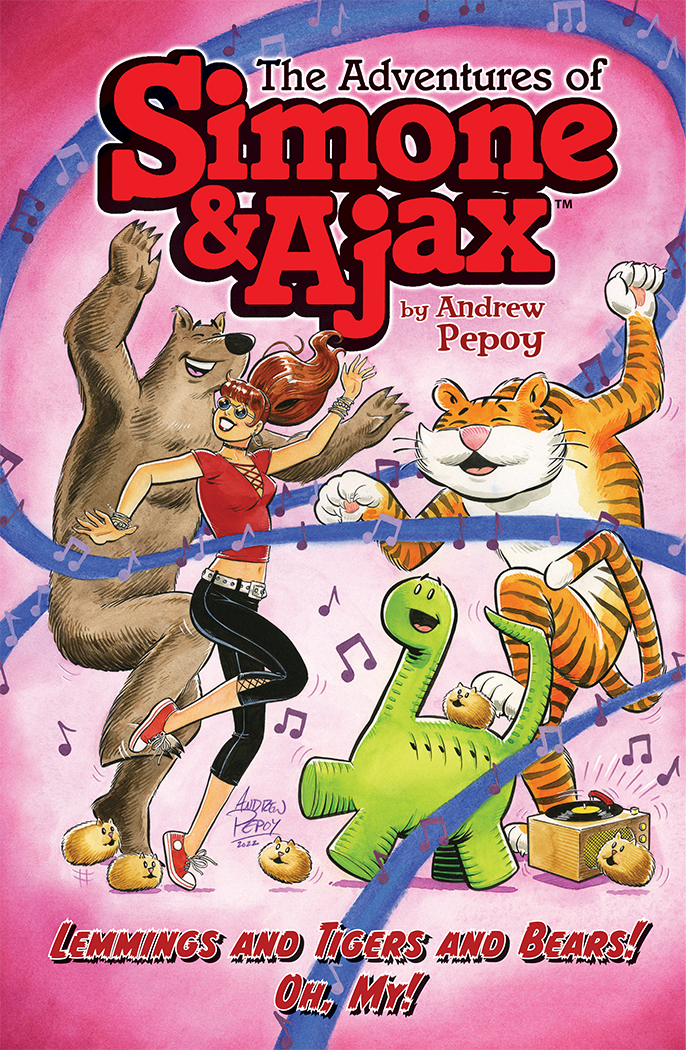
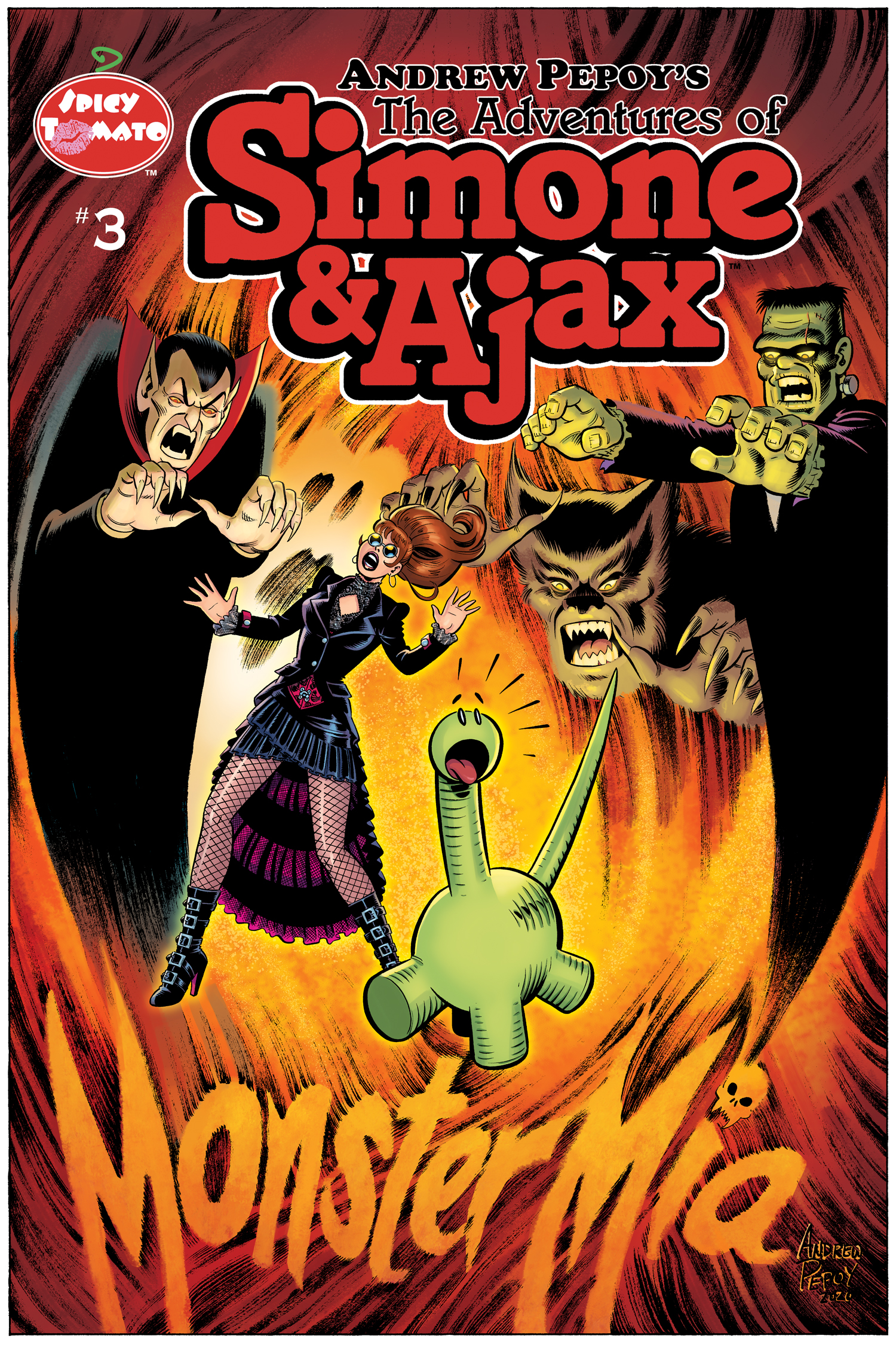
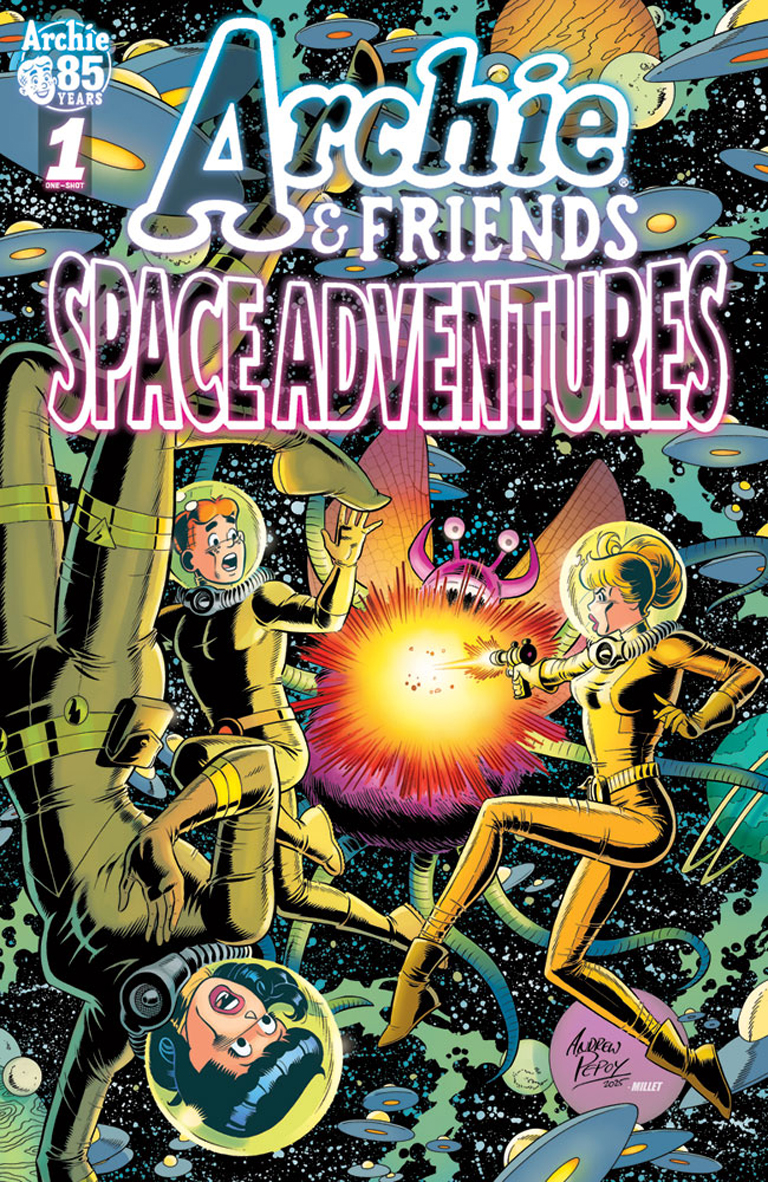 Margeaux: Most of my early work in comics, and really for the majority of my career until recent years, was inking other artists’ pencils, so most of the time I never even saw the script. As long as the pencils were clear, I could ink them. But, yes, I preferred drawing my own scripts on things like “Simone & Ajax” and “Katy Keene.” However, if the story is good and the content fits my stronger abilities, I’m happy drawing from other writers’ scripts, too.
1st: What helped you stand out early in your career?
Margeaux: I think it was my flexibility of style, speed, and ability to meet deadlines.
1st: When did you feel like you had finally made it?
Margeaux: When I started getting steady work from publishers, which, fortunately, happened within months of graduating from college.
1st: Were there any characters that you always wanted to work on?
 Margeaux: I mean, there are tons of them. At the moment, at least for the big two, Howard the Duck would be my #1 at Marvel. At DC, it’s Angel & the Ape, which I’ve drawn twice and written once, but one was a pin-up and the other a one-pager, so I’d like a chance at a full series. I recently got to work on one character I grew up loving: Captain Canuck.
1st: Can you walk me through your process from blank page to finished art?
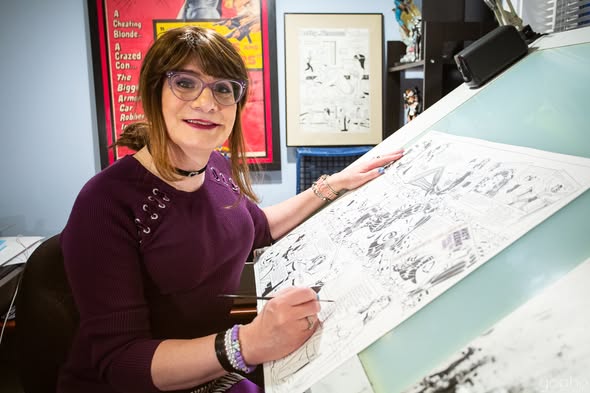
Margeaux: If I’m writing the story, too, it starts with me making a page of my sketchbook into quarters. On the two left quarters, I draw little sketches of the layout of the page and balloon placements, and on the two right quarters next to them, I would write in the dialogue and captions. If I’m not writing, I draw 4 thumbnails on each sheet to design the pages. If it’s Simone & Ajax, then I just go straight to pencils on the board. If it’s something else, I’ll almost always do a print-size rough, where I get all the structural drawing worked out in blue pencil and marker. I then blow that up to art size and trace it onto the board to do the final pencils. I work with a 4H lead to finish the structure and then pencil with an F lead, usually on a 3-ply plate Bristol board. Then I’ll ink the panel borders and, if I’m given that option, hand-letter the boards. Then I go in with a brush and ink and ink everything I can with the brush, before going in with a series of dip and tech pens. After that, I erase the pencils and do white-out touch-ups. Then I scan it in Photoshop and do what digital tweaks it needs, then it’s off to the publisher to be colored.
1st: How do you handle creative disagreements on a project?
 Margeaux: First, I decide how much I disagree. If it’s just a little and it’s work-for-hire, I might just do it. But if it’s a lot, I’ll see if I can think of a solution to suggest and see if we can talk it through. If it’s something really big and they don’t seem open to changing it, I drop out of the project if I haven’t yet started. I want to do a good job on every project, and if I don’t believe I’m the right fit for it, I don’t do it.
1st: What do you do if the story descriptions don’t make any sense?
Margeaux: I try to talk about it with the editor or writer and figure out a solution. It happens a lot that something that sounds good textually just doesn’t work visually, and it’s usually pretty easy to fix.
1st: What tools do you use for your art?
 Margeaux: Well, I mentioned my leads and paper earlier, but as far as the rest, I use Koh-i-noor Universal ink for brushwork and Dick Blick Black Cat for penwork. I use a Winsor-Newton Series 7 #2 watercolor brush and a variety of pen nibs, mainly a Speedball C-6 lettering point, but used for inking, and a Hunt 102, plus tech-pens.
1st: What’s been your experience working with major publishers overall?
Margeaux: It has been more about the individual editor experience and other staff members than the publishing company. There have been good people at each company I’ve worked at, and that’s what made my experience good. And then there were the bad people.
1st: How important are conventions both in finding work and as part of your income?
 Margeaux: It used to be that conventions were one of the two ways I’d most find work. It’s not as possible now, since companies don’t set up as many and definitely don’t make the editors as available to talk as they used to, but they’re still important for making some of the connections and so income. As for direct income, they’re more important than they used to be for me as a way to sell art and do commissions.
1st: How do you balance your work with the rest of your life?
Margeaux: It can be very hard to balance, and there are times one or the other must take precedence. But what I try to avoid is messing up the other. For too much of my life, I let work be my entire life, and, as much as I love comics, that’s no way to live.
1st: What still excites you about comics today?
 Margeaux: Reading or making? For reading, I still find the occasional new comic that I really like, and print-on-demand has made for a new golden age of reprints of classic comic books and comic strips. I’m especially excited about some of the classic strips now being reprinted, like “Flyin’ Jenny,” “Connie,” and “Scorchy Smith.”
As far as making, there’s still nothing I’d rather do than draw comics, and I love the variety of possibilities out there, so I’m thrilled to still be doing this.
1st: Do you think the industry has become more inclusive over time?
Margeaux: More inclusive. There are definitely more women, queer folk, and POC than when I started over 35 years ago, and that’s a good thing. And I think that’s reflected by the fans you see at cons these days, with them feeling there’s more for them to identify with in comics.
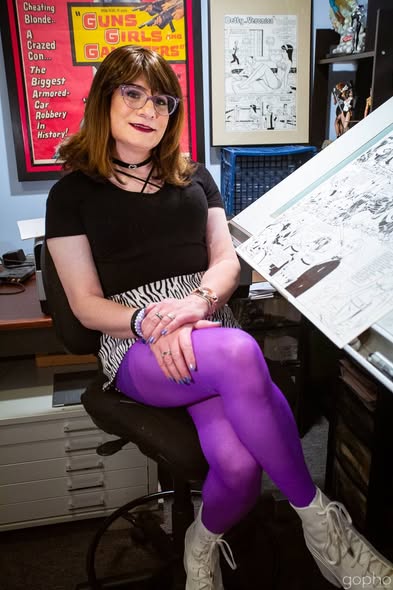 1st: I’d love to shift a bit. When did you start to understand your identity more clearly?
Margeaux: Looking back, I can see that there have been moments I almost got to the realization or didn’t have the knowledge or vocabulary to understand or make the step to the conclusion that I’m trans, going back to at least 10 years old. It was in the early part of last year that I brought up some thoughts to one of my partners, and she encouraged me to finally explore them with my therapist. It still took a while and a lot of thinking and processing to finally, at the end of May, grasp that I was trans. From there, a lot of the things I’d struggled with made sense.
1st: Was that a gradual realization, or were there defining moments?
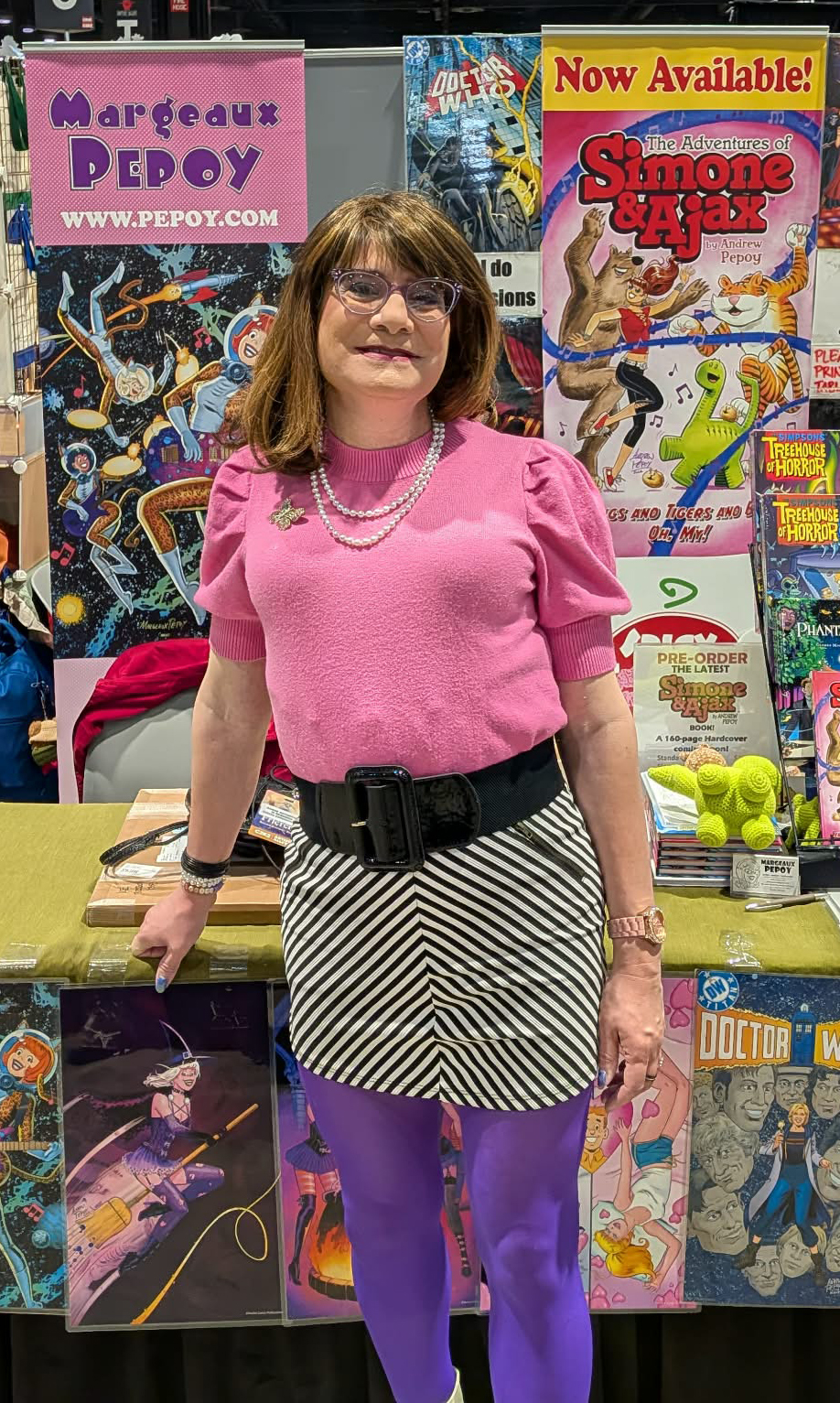 Margeaux: As I said, moments going back to when I was a little kid, so, yes, it was VERY gradual. But the defining moments recently were finally speaking things out loud to someone else, which made something that had been only a thought until now something real. The next big moment was when I saw myself with makeup and a wig. I don’t have enough hair left to grow out, so that really helped me see the me I was inside.
1st: How did you choose the name Margeaux, and what does it mean to you?
Margeaux: One of my partners, Katy, suggested thinking of characters I liked in fiction, TV, or movies. Being a pulp and old radio fan, one character I thought of was Margo Lane, from The Shadow, but it wasn’t until I saw the spelling Margeaux in a list of names that it really clicked and felt right.
1st: What ultimately led you to decide to transition publicly?
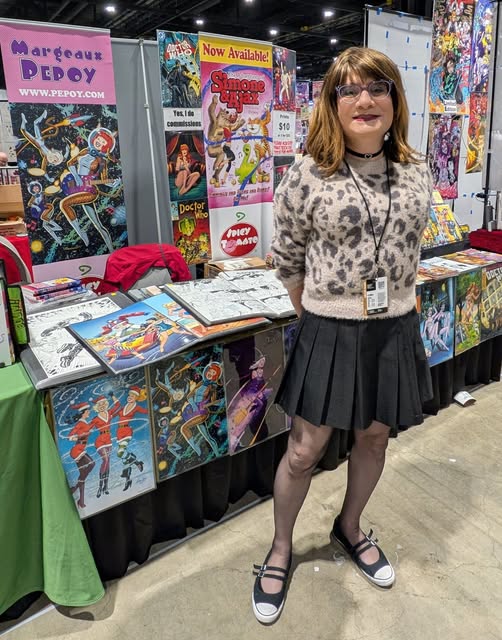 Margeaux: As I became more comfortable being me on the outside and started to go to some places and events, I felt safer doing so. I decided that I didn’t want to hide much longer and made plans to come out before my first con of 2026, C2E2. It just felt right to live what time I have left openly as me.
1st: Was that a difficult decision to make?
Margeaux: Yes and no. Yes, in that I was super scared to come out. What would happen to my career? What would my friends, colleagues, and family think? What if it’s a disaster? And with the world as it is at the moment, would I be hated and maybe killed? But no, in that once I figured this part of me out, I knew I needed to live my life as my true self.
1st: How did it feel sharing that part of yourself with the world?
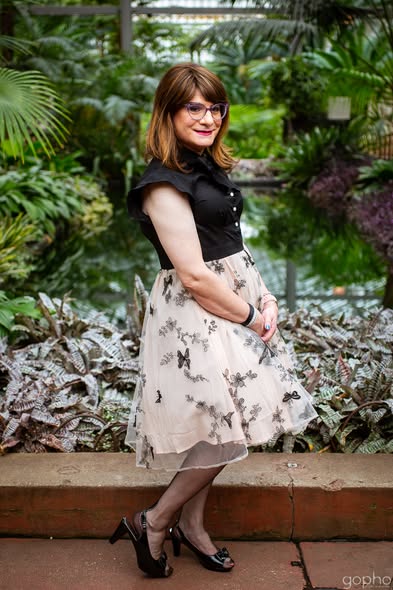 Margeaux: Like I said, scary. Each step further was scary at first, but when it didn’t go badly, I got brave enough to take the next step. And I started coming out first to partners and a few friends last summer, eventually telling a few closer friends in the biz. With a few exceptions, people were supportive. One friend told me she could have told me she knew this about me years before I did, and a few others wondered, so, apparently, I was not the first to know. The day that I went fully public, I was practically trembling and close to tears, but I knew it was the right thing to do. One of my partners was virtually holding my hand via the phone as I posted and updated my info, which helped a lot.
1st: What qualities do you value most in a partner today? Has your understanding of love or attraction changed since coming out?
Margeaux: Not really. I still love and am attracted to the same people. I’m still polyamorous, something I’ve been open about for many years. I’m very fortunate to have several supportive partners.
1st: What kind of response have you gotten from the comics community?
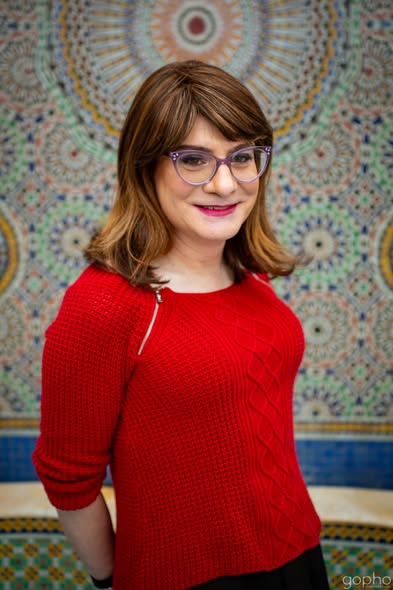 Margeaux: Overall, it’s been fantastic! With only one exception that I know of, my fellow creators have been very supportive and happy for me.
1st: And from fans more broadly?
Margeaux: Again, very supportive. Sure, there have been a few who felt the need to insult me, but 99% have been great!
1st: Did you fear this might hurt your career professionally?
 Margeaux: Definitely a fear! But everyone I was working with or seriously talking with about work has been great about it.
1st: Who reached out to you first when you made this announcement?
Margeaux: That day I went public online was crazy! I thought I’d post it, reach out to a short list of people I figured I should tell directly, and get back to work. But it kind of blew up online in a good way, plus so many texts, emails, calls, and more. I heard from my 2nd-grade crush, a college friend I’d lost track of, other artists I admire, plus thousands of people I didn’t know who just wanted to send me good wishes. DC Comics contacted me about updating my bio and credits on some things, plus some cons to update my guest listings with them.
1st: It’s a difficult time for trans people politically right now. Does this frighten you?
 Margeaux: I definitely have some worries! There are many on the right and in red state governments who want to make trans people’s lives as difficult as possible, if not impossible. And then there are genocidal maniacs like JK Rowling who are bankrolling the eradication of trans people. I already knew there were many places it would be unsafe for me to go, like the entire states of Florida and Texas, but this year, that list has been expanded to include Kansas and Idaho. If Ohio passes the law that’s already passed the house there, I could get arrested for even setting foot in Ohio as myself.
1st: Are you expecting negative reactions in some of the markets you normally attend?
Margeaux: The comics community seems to be mainly pretty accepting, but, yeah, I could run into problems in some places. I’ve never done a con in Texas, though it’s been discussed in the past, but now it is illegal under Texas law. There, as a con guest, I am considered an adult entertainer, and speaking to a child is considered a crime. And I’m sure some states I might go to have bathroom laws that I might break. I do actually have an invitation to a con in Ohio, I’m likely going to have to turn down if that law I mentioned goes into effect, because I’d get arrested, because I would appear true to myself.
 1st: What would you like to see change in the industry for trans creators?
Margeaux: More representation in the comics. When I go to cons, I see tons of fans who are trans and non-binary, and I’ve had a bunch now reach out to me who aren’t out yet, who I bet would like to see comics that reflect them and are created by creators who have lived experience.
1st: What would you say to someone who’s at the beginning of a similar journey?
Margeaux: I’d say to be prepared for some losses, such as some supposed friends and family, but to know that in the long run it will get better and they will feel better about themselves, being true to themselves. Find a trans-friendly therapist, seek out support groups or queer spaces where they can feel safe talking about what they’re going through, in-person if possible or online if not.
 1st: Looking ahead, what feels most exciting to you, personally and creatively?
Margeaux: Personally, I look forward to what my future holds now that I’m out as me and have a chance to live the life I never let myself before. Creatively, as I said, I love making comics, so I’m looking forward to that. I’ve struggled with work these last few years, and some of that may have had to do with figuring out who I really was, so I’m looking forward to being much more productive with the weight of hiding now lifted from my shoulders. Let’s make some fun comics!!!
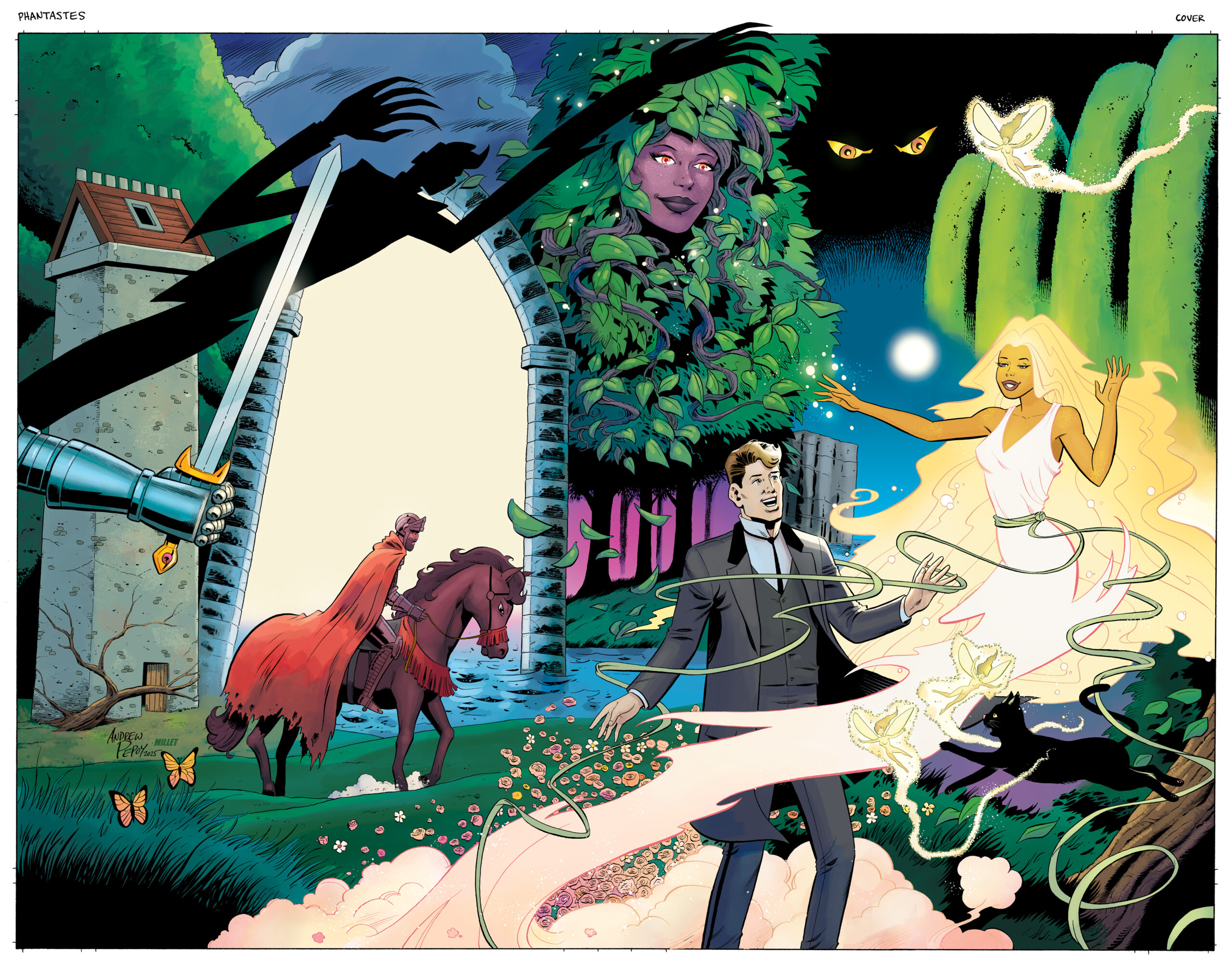 1st: Anything you are currently working on?
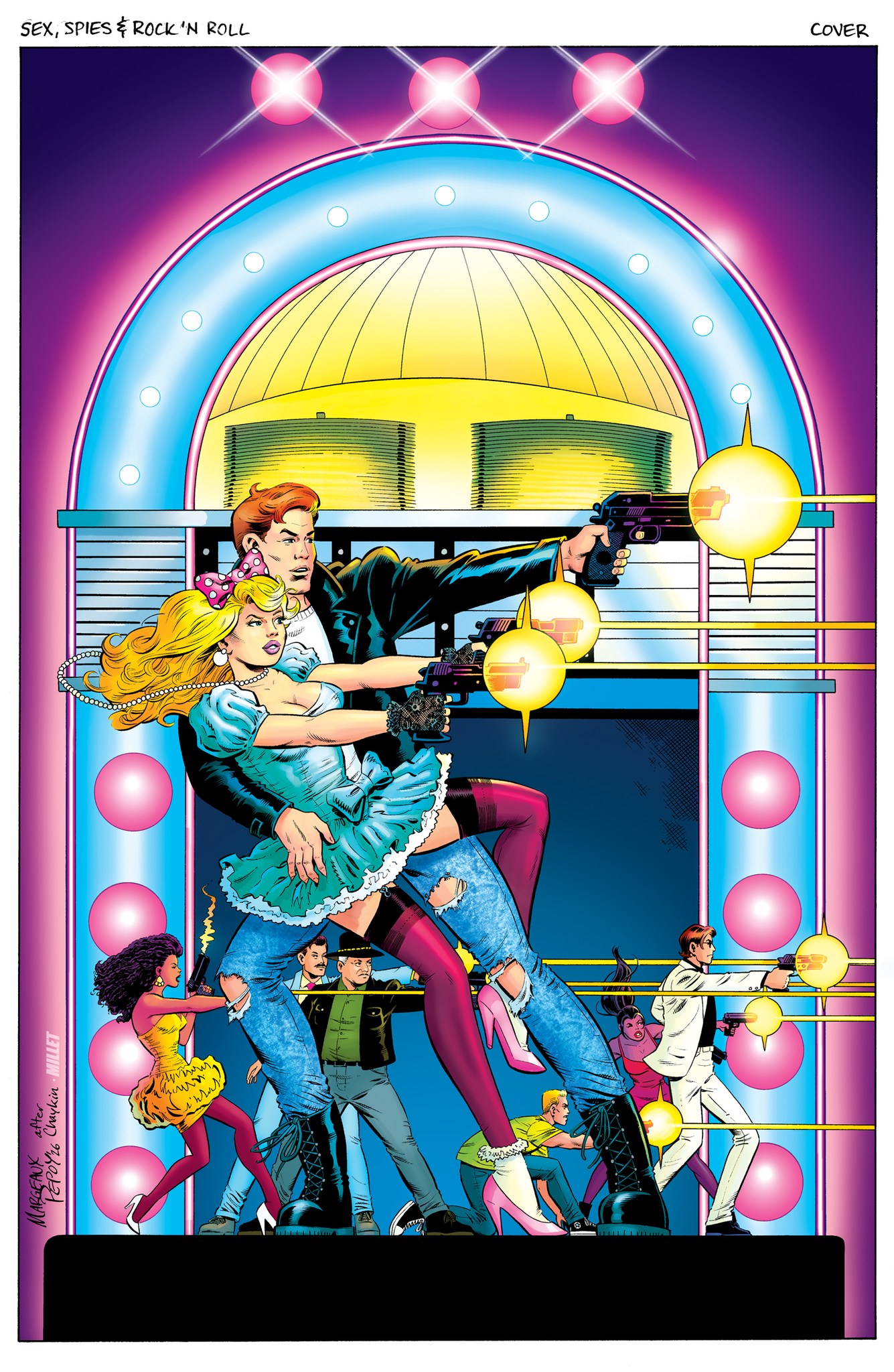
Margeaux: My latest project out is drawing the second half of the adaptation of George MacDonald’s “Phantastes” from Cave Pictures Publishing, and my next two works out, and the first two to carry my new name, are the “Street Sharks Annual” for IDW and the cover of an issue of Jeff Messer’s “Sex, Spies & Rock ‘n Roll.” Plus, a collection of all my classic black & white “The Adventures of Simone & Ajax” comics is finally about to head to the printer and be out later this year from my own Spicy Tomato Studios.
About Author
