“O Bitter Victory!” is a title that perfectly encapsulates the Marvel Comics approach to storytelling. That’s probably why they used it so often.
The term “victory” is in the title because superheroes save the day. But it’s balanced by “bitter” — some loss on the part of the superhero, making it almost a Pyrrhic victory.
The use of “bitter” also implies that the ongoing story remains unresolved despite the superhero’s victory — always a clever move if you want to lure readers back from month to month. It’s the hook that keeps the audience watching soap operas, and Lee was well familiar with it from all those years of writing and editing Love Romances, Patsy Walker, and other romance titles.
In fact, in August 1952, Marvel’s Girl Confessions 17 included a story titled Bitter Victory!
 The title also reflects Lee’s penchant for biblical-sounding bombast, with its numerous “Os” and “Los,” archaic terms that convey surprise and wonder.
Ultimately, the words “O Bitter Victory” convey a profound existential truth. After all, we rarely get happiness without a shadow.
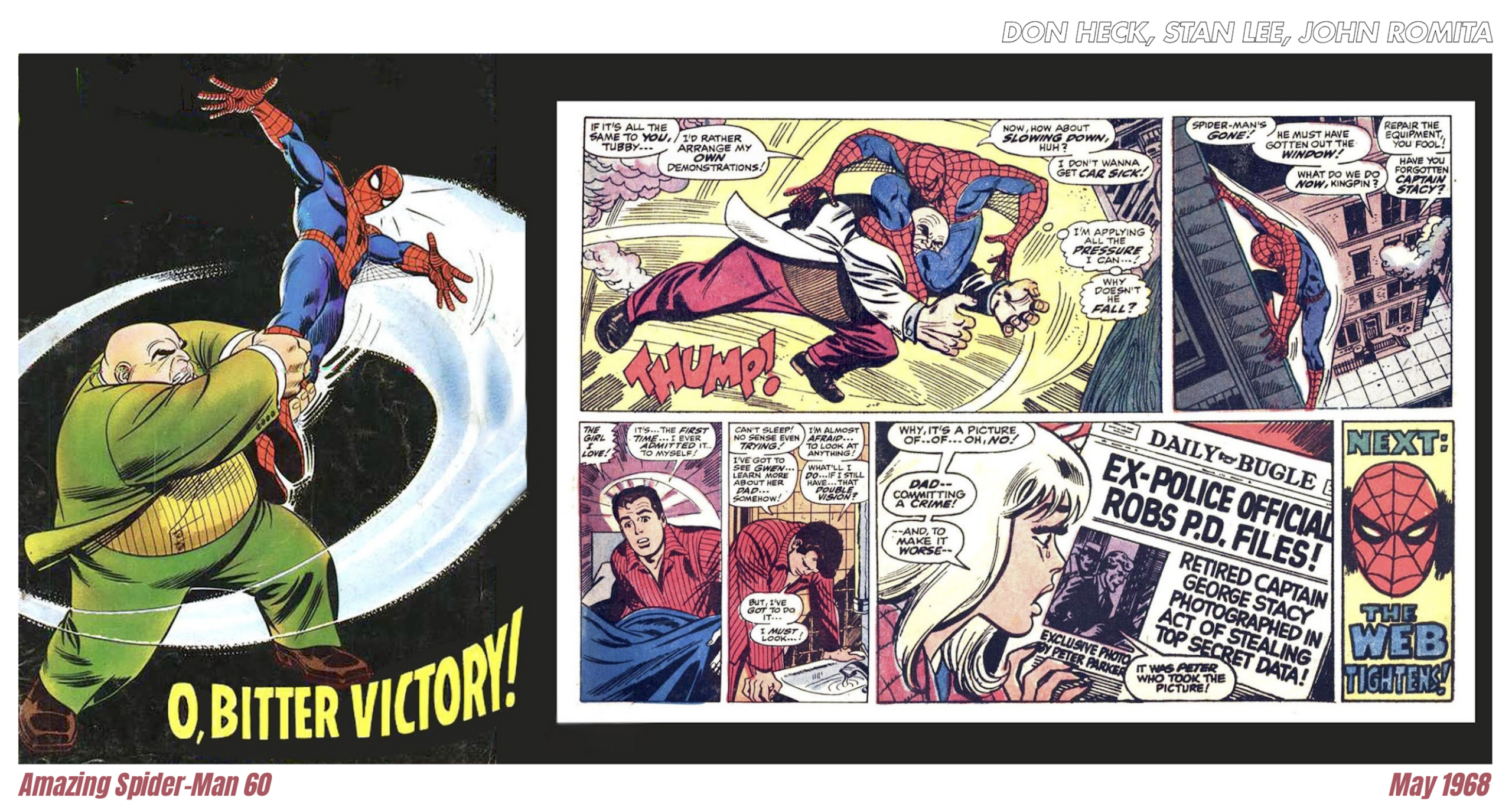
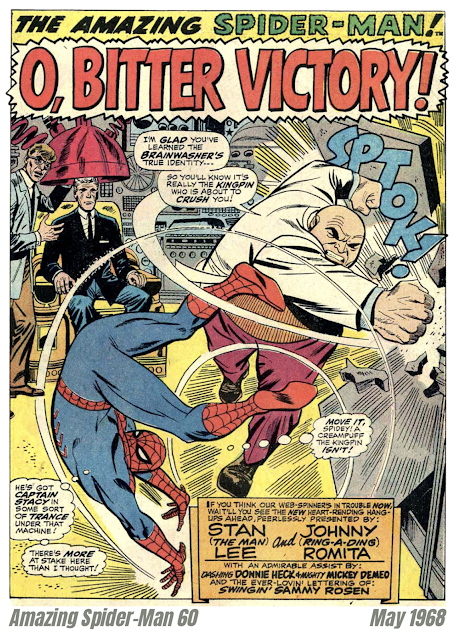
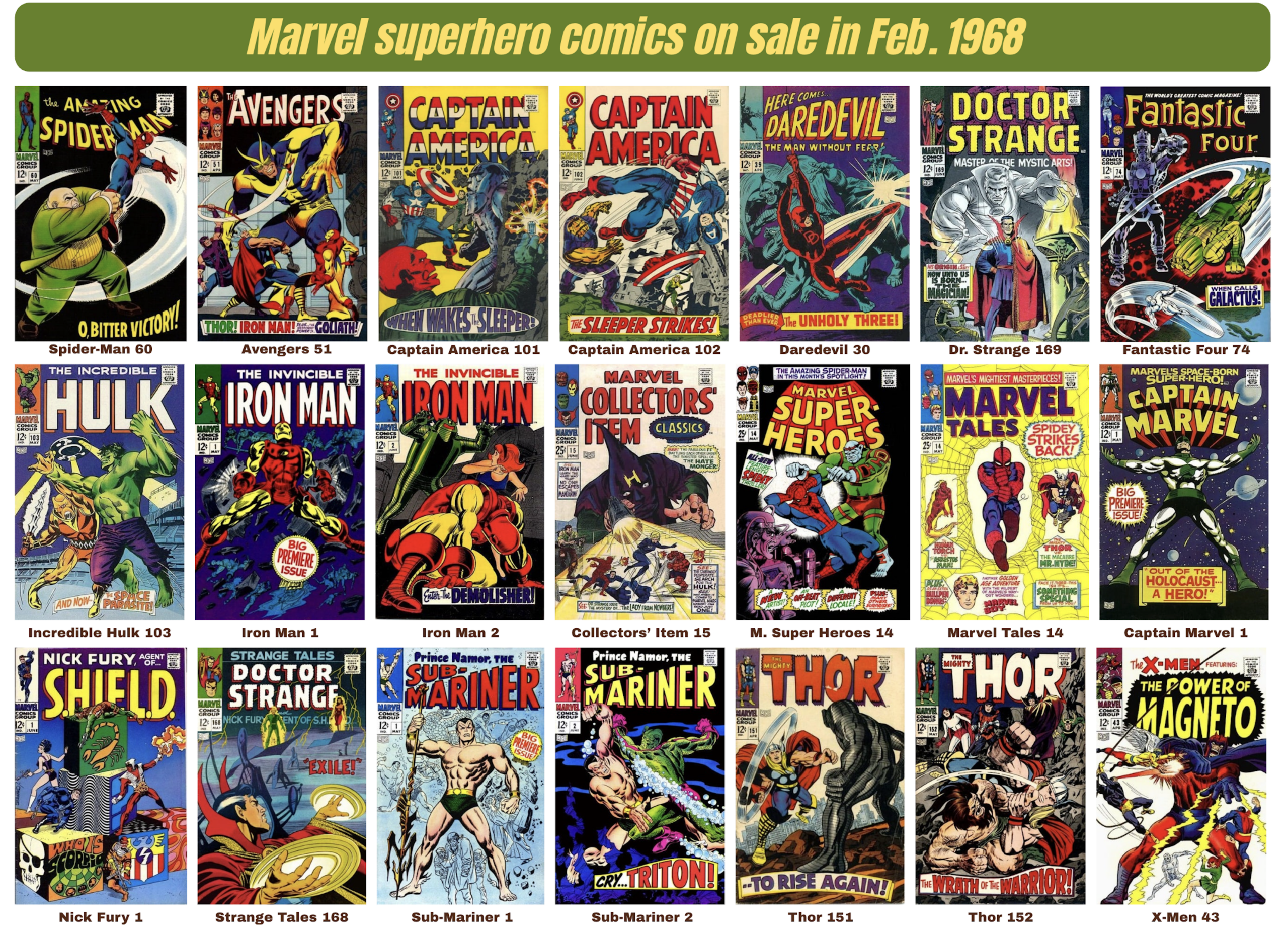
In Peter Parker’s case, in The Amazing Spider-Man 60 (May 1968), that meant realizing that Gwen Stacy was the woman he loved, even as he was forced to provide the Daily Bugle with photographic evidence that her father had committed a crime.
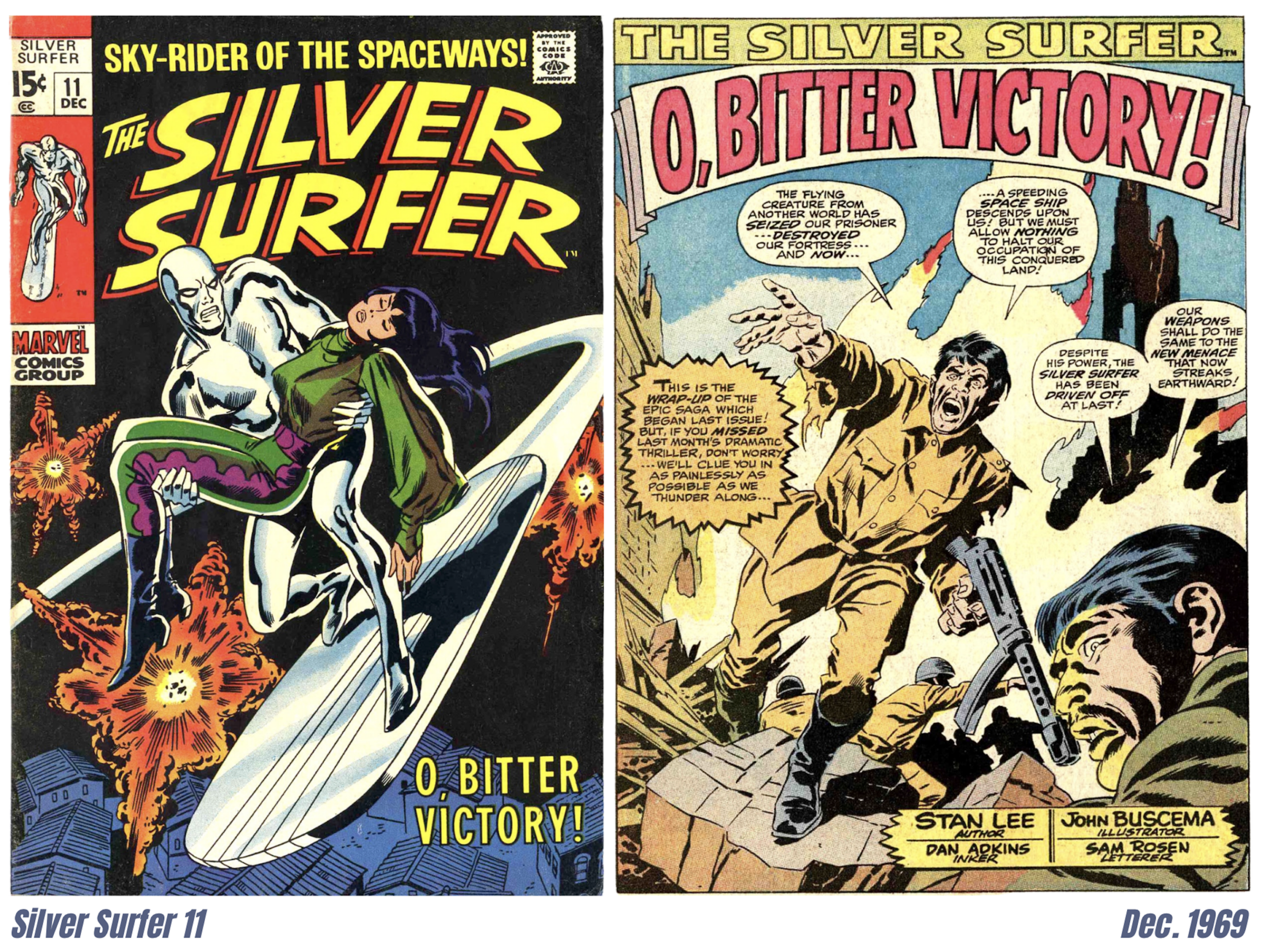
In the Silver Surfer’s case, in Silver Surfer 11 (Dec. 1969), O Bitter Victory! Meant that the superhero would be reunited with his true love, Shalla Ba,l on Earth, only to see her shot trying to protect him. To save her life, he had to return her to their home planet, out of his reach.
Other writers caught the pattern. O Bitter Victory! was the title used in Thor 234 (April 1975) and The Uncanny X-Men 255 (Dec. 1989).
During an interview, I once mentioned to Stan Lee that he’d used the title more than once. He became uncharacteristically quiet. I don’t think he appreciated my bringing it up.
About Author
