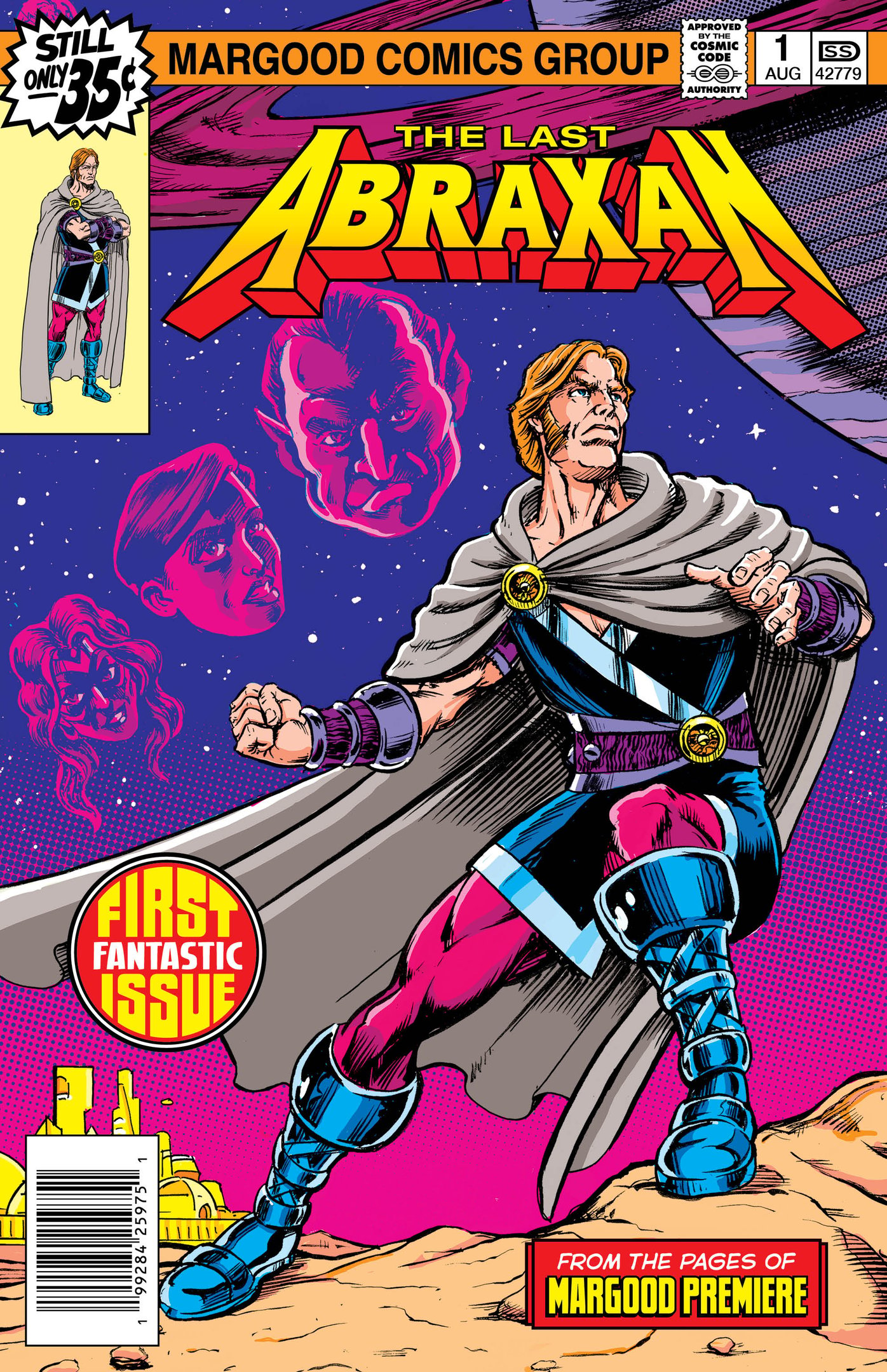
 What if Marvel Comics had taken a different path? What if the legendary creators and superheroes of the Bronze Age existed in an alternate universe, where everything was familiar but just a little different? That is the fascinating premise behind The Last Abraxan, an independent comic that recreates the look, feel, and experience of reading a Marvel comic book from 1979.
Published under the fictional Margood Comics imprint, The Last Abraxan is more than a nostalgic tribute to the comics of the 1970s. It is an ambitious creative experiment by a lifelong comic book fan, Mike Ortiz, who decided to fulfill a childhood dream by producing an entire comic book himself.
Mike has spent more than 30 years working professionally as a graphic designer and illustrator, primarily in the home entertainment industry. His career has included projects connected to major horror and cult franchises such as Evil Dead and Dawn of the Dead, along with comic book-related properties including The Walking Dead, The Incredible Hulk television movies, Hellboy Animated, and Sin City: A Dame to Kill For.
Although his professional career never took him directly into the comic book industry, his work frequently brought him close to the characters and stories he loved.
 Over the years, he helped friends produce various self-published books and comics. Eventually, he realized that he possessed all the necessary skills to create a comic book entirely on his own, yet had never attempted it.
The Last Abraxan became his opportunity to change that.
The project was conceived as a personal challenge. Could one person write, pencil, ink, color, letter, design, and publish an entire comic book without relying on a traditional creative team?
But the experiment went considerably further.
Rather than simply creating a modern comic inspired by the Bronze Age, he wanted to reproduce the complete experience of buying and reading a comic book from the late 1970s.
That meant using inexpensive newsprint, limited flat colors, oversized halftone dots, thought balloons, narrative captions, editorial notes, and self-contained storytelling. These were the familiar ingredients of a period when superhero comics were sold on spinner racks, and readers could pick up virtually any issue and enjoy a complete adventure.
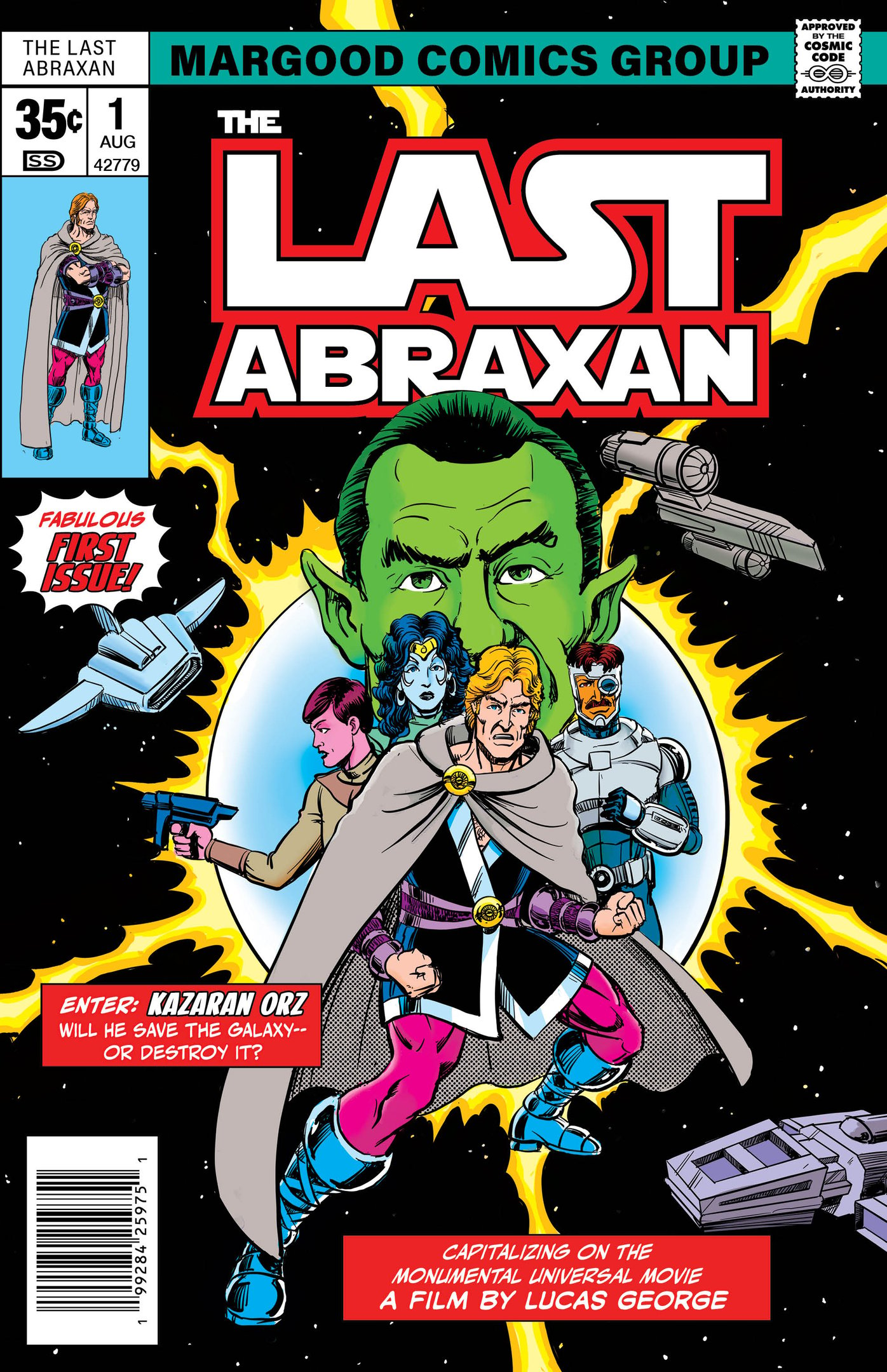 The inspiration came from the cosmic adventures that defined much of Marvel’s output during the decade. Titles such as Warlock, Captain Marvel, Fantastic Four, Nova, and Star-Lord, along with licensed comics including Star Wars, The Micronauts, and Battlestar Galactica, helped shape the project’s direction.
Mike was particularly interested in the brief period between the release of Star Wars in 1977 and The Empire Strikes Back in 1980. Science fiction during those years still retained elements of 1970s spirituality, mysticism, and New Age philosophy, before the genre’s transformation during the 1980s.
Those influences provided the foundation for the cosmic superhero world of The Last Abraxan.
However, the comic’s most unusual feature may be everything surrounding the actual story.
Mike recognized that reading a Bronze Age comic involved much more than following the adventures of the characters. The advertisements, letters pages, editorial columns, promotional announcements, and house ads helped establish a relationship between the publisher and its readers.
Marvel Comics was especially successful at creating the impression that its characters, creators, and fans belonged to a larger community.
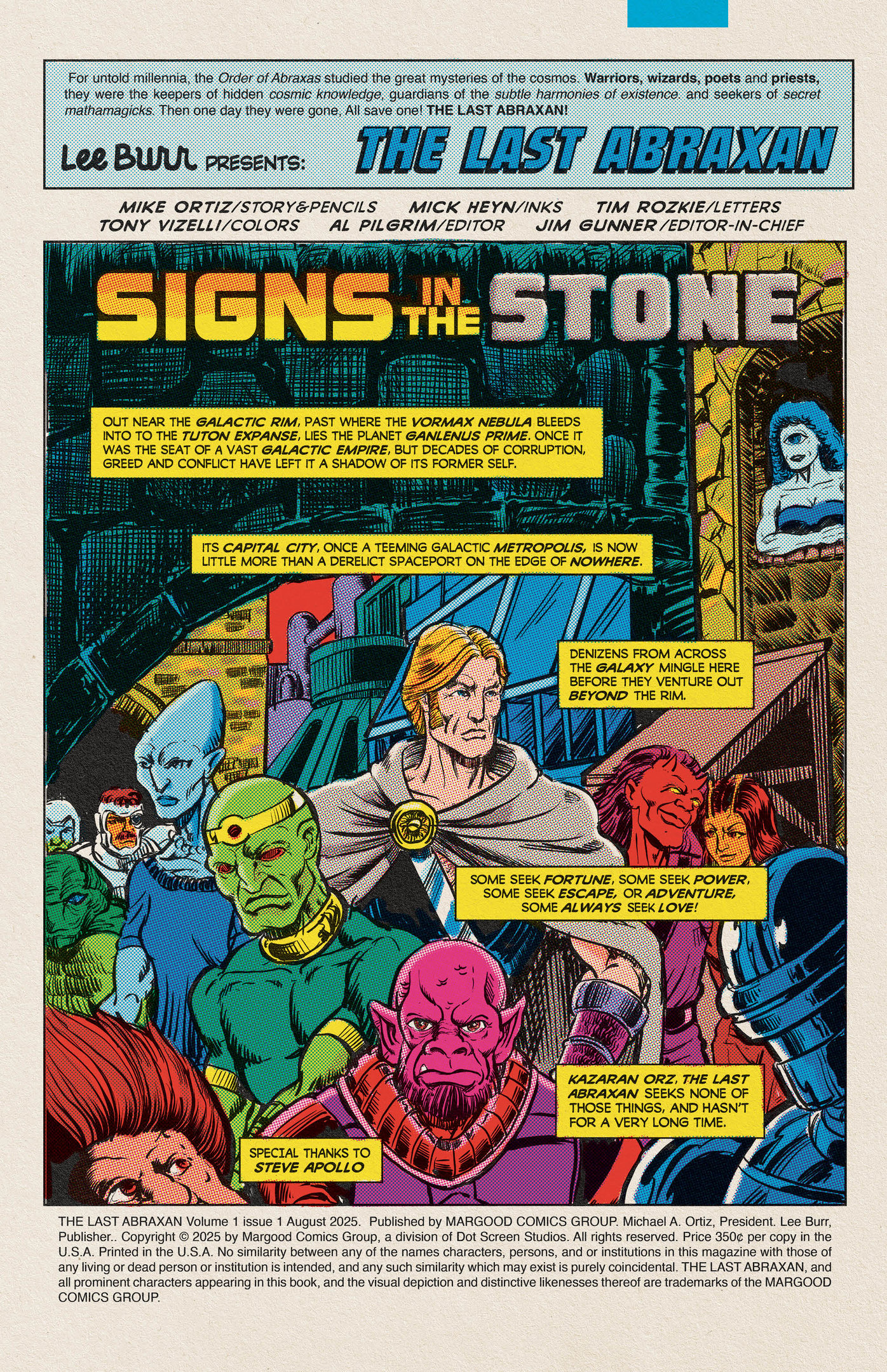 The Last Abraxan attempts to recreate that experience through Margood Comics, an imaginary publisher existing in an alternate version of comic book history.
In this fictional universe, Marvel Comics never became Marvel Comics. Instead, publisher Martin Goodman adopted the name Margood Comics, drawing upon an actual publishing name Goodman had used in 1949.
Stanley Lieber became Lee Burr instead of Stan Lee, while Jacob Kurtzberg became Jack Curtiss rather than Jack Kirby.
The alternate history extends to the superheroes themselves, with recognizable counterparts to characters such as Spider-Man, Thor, and Captain America. Their costumes, names, and concepts incorporate references to alternate designs and ideas from real comic book history.
Even the letters page participates in the illusion, featuring alternate versions of well-known comic book letter writers, including names inspired by T. M. Maple and Elvis Orton.
The advertisements are equally elaborate. Readers will encounter parodies of familiar Sea-Monkeys promotions, Grit newspaper advertisements, Hostess comic book ads, toy soldier offers, and classified advertisements that once filled the pages of inexpensive comic books.
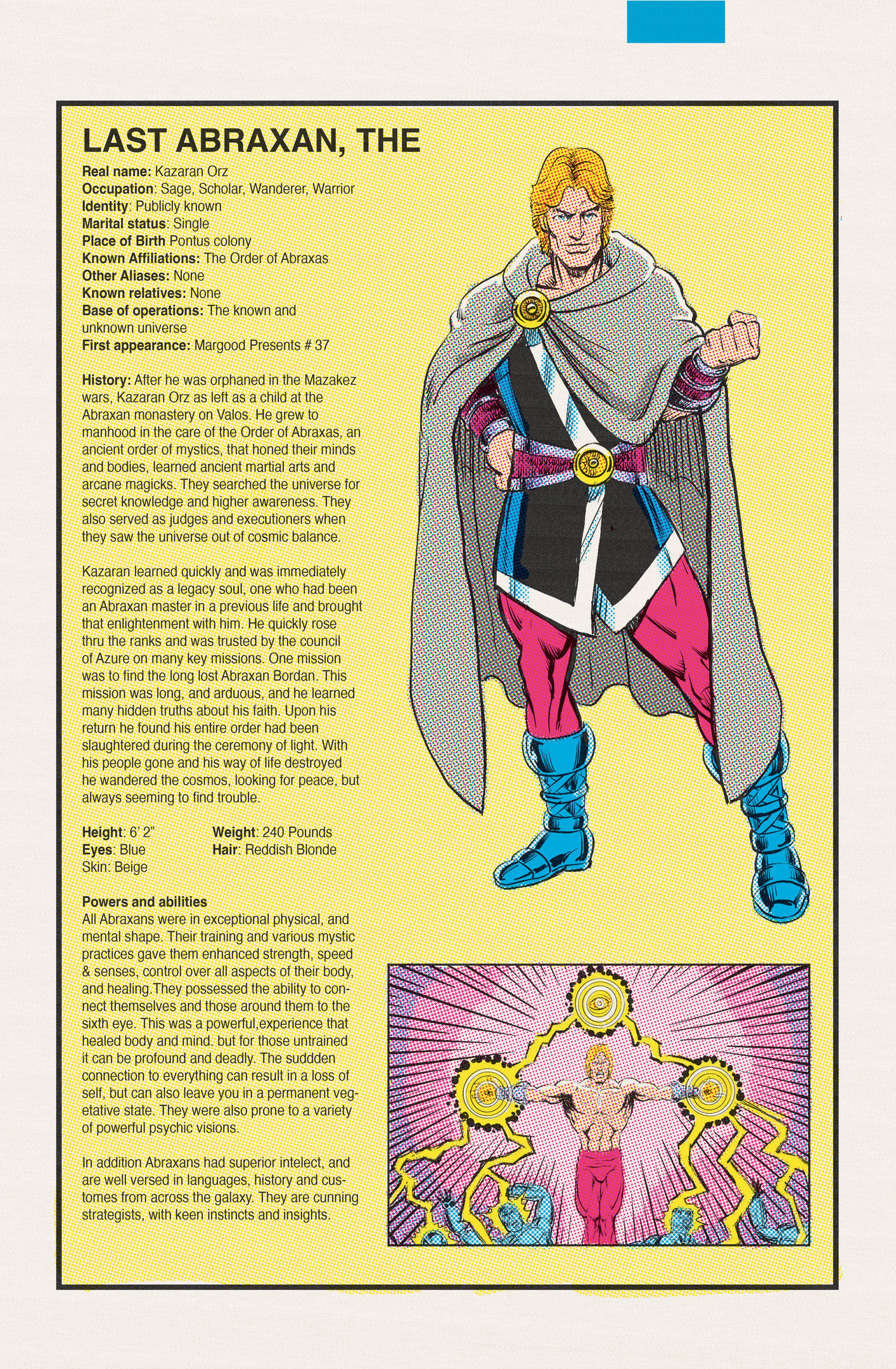 These details are not simply jokes. They help create the impression that The Last Abraxan is one surviving issue from a much larger publishing history that never actually existed.
The result is a comic designed to feel like an artifact from another dimension, discovered decades after its original publication.
Ironically, despite its deliberately old-fashioned appearance, the comic was produced almost entirely using modern digital technology.
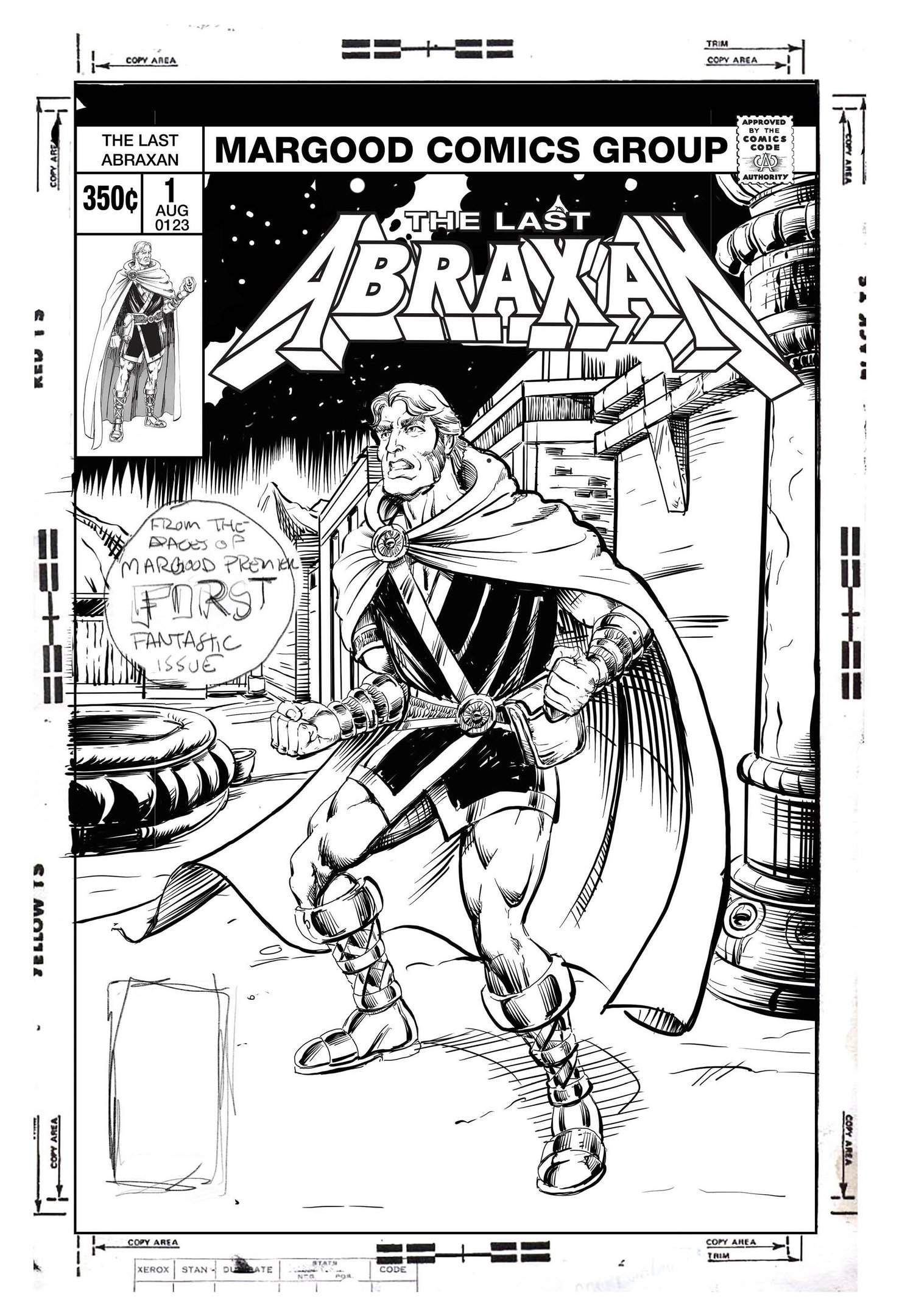
The pencils were created on an iPad, with most of the inking also completed digitally. Only the cover and selected interior panels were inked traditionally on paper. The remaining production work was handled primarily through Procreate and Adobe Photoshop.
This combination of digital production and vintage presentation allowed Mike to reproduce the imperfections and visual characteristics of old comic book printing while maintaining complete control over the finished product.
The project also became an education in independent publishing.
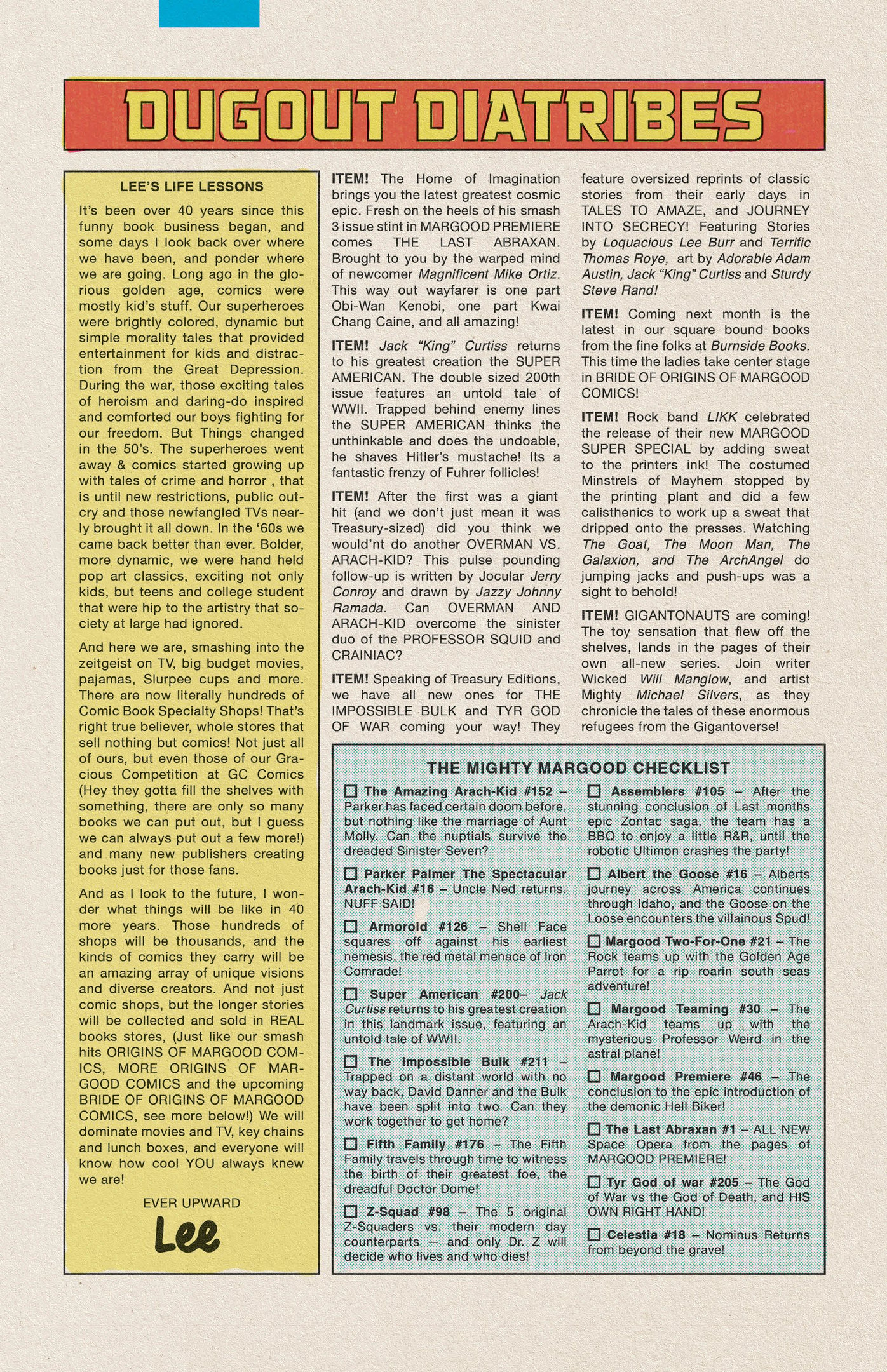 For readers interested in the creative process, the official website also contains an extensive artwork gallery, promotional videos, creator commentary, and examinations of the project’s influences.
Although The Last Abraxan was originally intended as a single, standalone project, the experience proved too enjoyable to abandon completely.
The positive response from readers encouraged Mike to begin developing a second issue, which has already been plotted.
For longtime fans who remember spinner racks, newsprint, letter columns, and the cosmic adventures of the late 1970s, The Last Abraxan offers a return to a familiar world that somehow never existed.
And for younger readers, it provides a fascinating introduction to a very different period in comic book history.
About Author
