
NEW COMICS 4 THIS WEEK (07/22/26)
*All comics will be rated on a scale from 1 to 10*
Absolute Superman # 21 (8.5/10)
Amazing Spider-Man # 33 (9/10)
Gambit: Wanted # 1 (8/10)
Godzilla Conquers The Multiverse # 1 (8.5/10)
Harley Quinn # 64 (6.5/10)
Marc Spector: Moon Knight # 6 (7/10)
Skate Ali # 2 (8.5/10)
Spider-Man: Long Way Home # 2 (6.5/10)
Terminal # 1 (9/10)
Thundercats x Silverhawks: Thunderhawks # 4 (6/10)
Uncanny X-Men # 32 (6.5/10)
Wolverine # 24 (6/10)
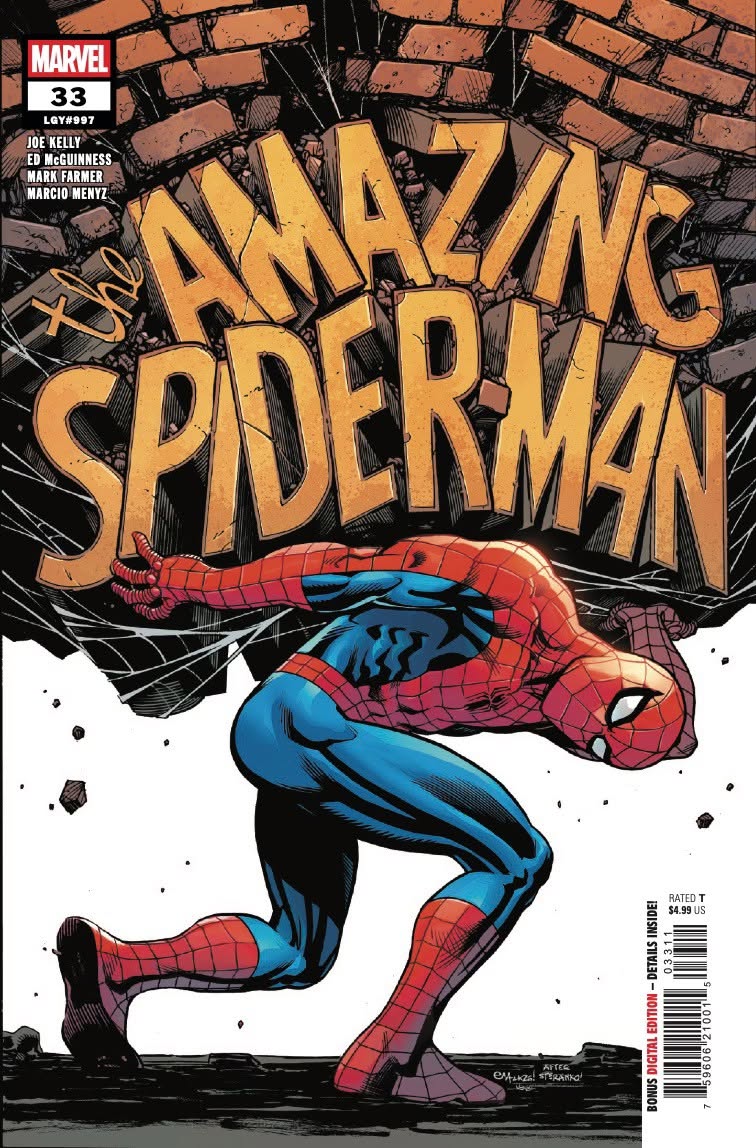 Amazing Spider-Man # 33 – Joe Kelly is gradually building towards issue #1000 with this unique story where Jack O’Lantern reappears, giving readers a glimpse into the new Damage Control—a group that generally only handles cleanup after battles but is not portrayed as combatants (with some ‘80s vibes). The story deepens the mystery of Cormac Crane, Peter’s cousin and Aunt May’s long-lost son. This issue has a ‘calm before the storm” atmosphere, slowing down the pace to highlight the soap opera elements, especially regarding Cormac Crane and Peter Parker’s emotional struggles. While the Damage Control concept is interesting, it initially felt underwhelming, and its execution was off. It was odd to see Damage Control as high-tech heroes, but Kelly managed to make it charming. I also appreciated how the issue explored Peter’s jealousy toward Cormac, especially when Cormac accepts a hug from Aunt May, hinting at something bigger in #1000. Ed McGuinness’s art continues to shine, with his character interactions and action sequences excelling, perfectly complementing Kelly’s storytelling. This issue of ASM exemplifies blending superhero action with personal drama, leaving readers eager for issue #1000.
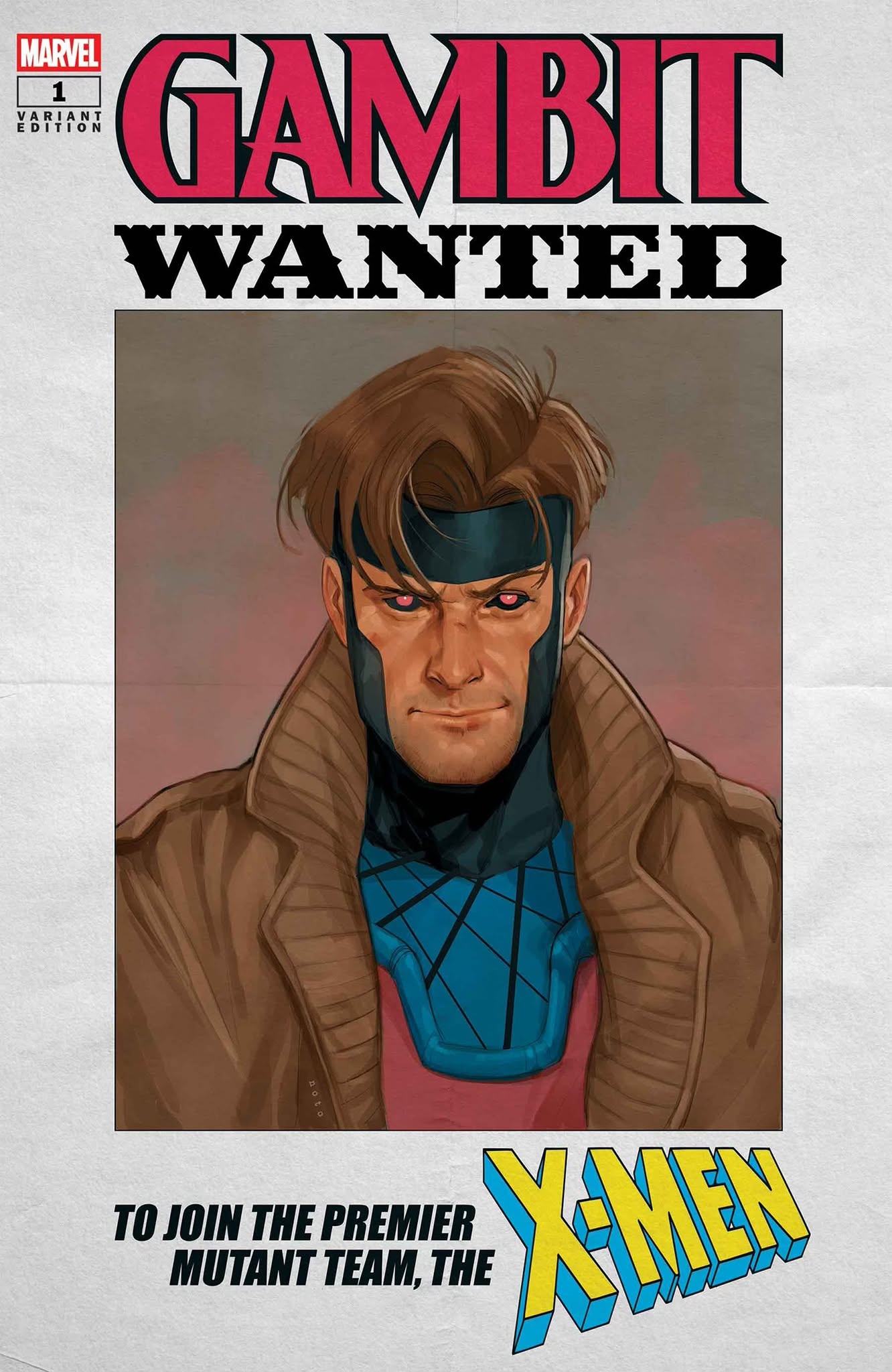 Gambit: Wanted # 1 – Famed X-Men writer and Gambit co-creator Chris Claremont returns for a 5-issue miniseries set immediately after the 2022 Gambit miniseries and just before Uncanny X-Men #270. After rescuing and returning a de-aged Storm to the X-Men, Remy LeBeau finds himself at a crossroads in New Orleans: should he return to his old life as a master thief or embrace his role as a hero? Before he can decide, a fellow thief named Elodie gets into a dangerous poker dispute with a crime boss called Suzerain. When Gambit steps in to help her, the enraged Suzerain hires the infamous Marvel mercenary Bullseye to hunt him down. Claremont proves he still excels at writing the X-Men. His signature inner monologues give Remy’s internal conflict emotional depth, highlighting Gambit’s struggle between his criminal past and his heroic potential. It’s refreshing to see Claremont’s story remain independent of current continuity while fully embracing classic X-Men history, making it a treat for longtime fans. Artist Robert Gill, with colorist Bryan Valenza, perfectly channels the spirit of the ‘90s, using vibrant neon hues that capture the era’s energy. The highlight of this first issue is the thrilling Gambit vs. Bullseye showdown, which elevates the excitement. With strong character work and an exploration of Gambit’s past, this series is a celebration of everything fans love about the Ragin’ Cajun. It’s a powerful reminder that Gambit—second only to Wolverine and Rogue in popularity among X-Men—still shines, and his reunion with Claremont makes this miniseries a must-read for X-fans.
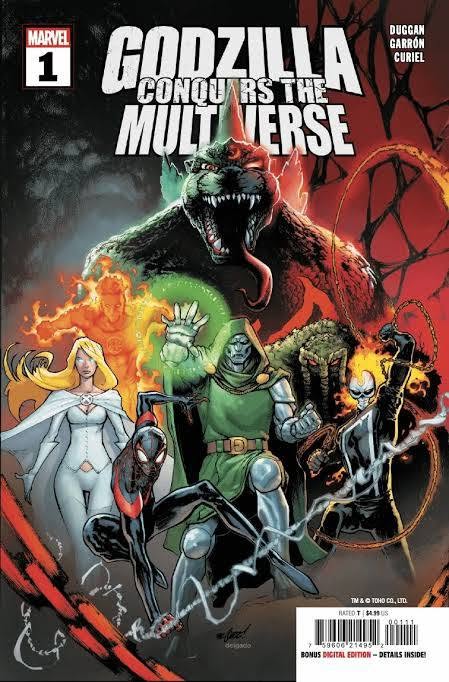 Godzilla Conquers The Multiverse # 1 – Gerry Duggan and Javier Garrón reunite to deliver the epic conclusion to their Godzilla vs The Marvel Universe trilogy. This time, the stakes soar as the action explodes beyond Earth and into alternate realities. Godzilla forges a terrifying alliance with Knull, and together they conquer Universe 616, driving reality to the very brink of destruction. With doom looming, Doctor Doom harnesses the power of Doomstadt and tears across dimensions, assembling a desperate and unconventional strike force—including Miles Morales: Spider-Man, Emma Frost, Kang the Conqueror, Ghost Rider, the Punisher, Doctor Strange, and Man-Thing—to hunt for a kaiju capable of challenging the King of the Monsters. Their journey leads them battling mecha fiends, alternate-reality Toho kaiju, and a version of Red Skull clad in Adamantium armor. Longtime Godzilla fans may be surprised by this bold new direction. While the series stays true to Godzilla’s legacy of chaos, it also dives deep into Doctor Doom’s desperation as he leads a team forced into uneasy alliance. This reluctant camaraderie energizes the story, creating a dynamic that’s both fresh and compelling. Duggan’s mastery of the Punisher’s voice stands out amid the multiversal mayhem, and the narrative thrives on both its immense stakes and the offbeat spectacle of the “Avengers of Doom.” In the end, this finale doesn’t just meet expectations—it shatters them. Duggan and Garrón deliver a breathtaking, boundary-pushing conclusion that redefines what a crossover epic can achieve. The finale is not only a triumphant crescendo to the Godzilla/Marvel saga but a testament to the creative heights possible when two universes collide, leaving readers exhilarated and hungry for more.
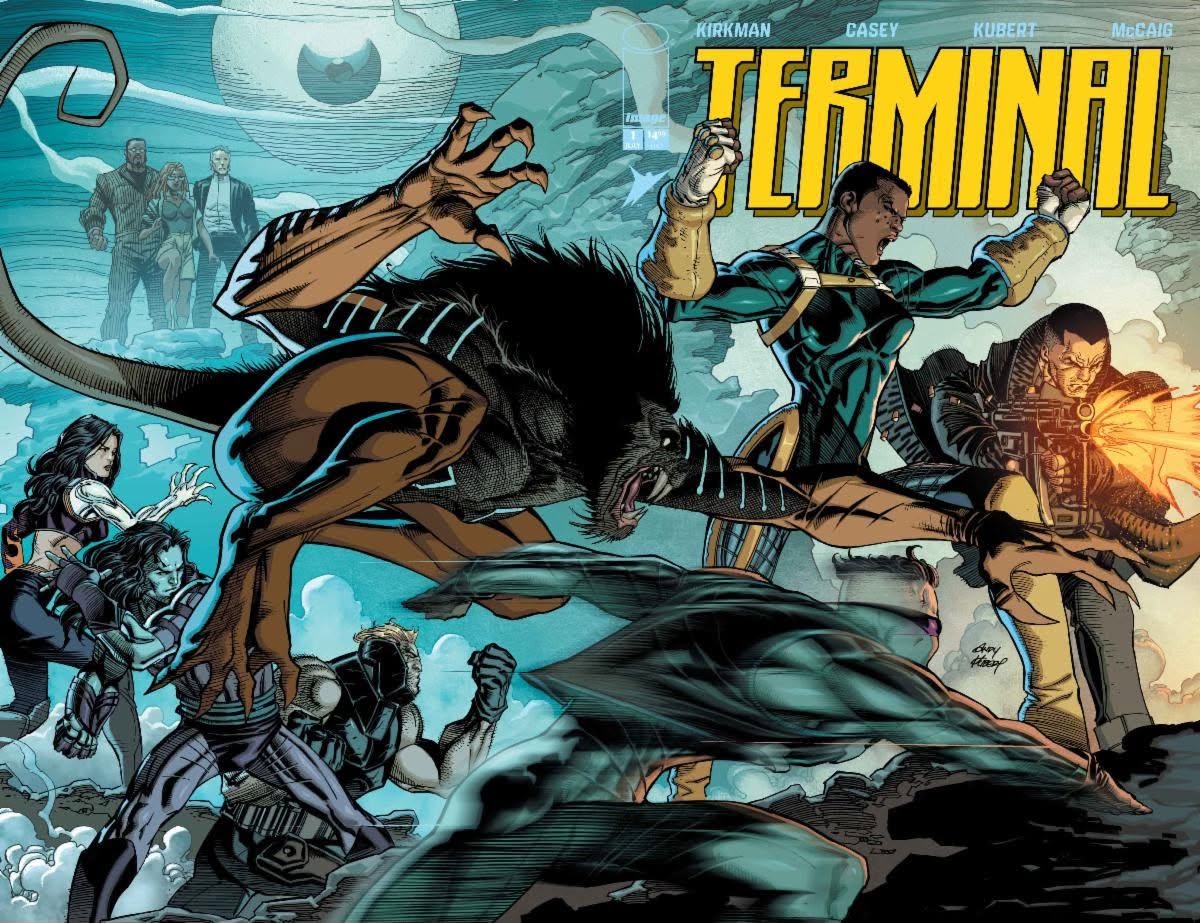 Terminal # 1 – Image Comics introduces an exciting new superhero universe, uniting industry titans Robert Kirkman and Joe Casey as writers, with Andy Kubert providing dynamic artwork (and David Finch and Arthur Adams joining for future arcs). The debut issue plunges readers into a hidden global conflict between two violent, super-powered factions, where the distinction between hero and villain is blurred. At the heart of this war is “Maculox,” a hereditary genetic trait that grants devastating, world-shaping powers, dividing people into “Activators” and “Awoken.” Marilyn Howe, the central protagonist, is thrust into this superhuman conflict while searching for her missing sister, Alessandra. To survive, she must unlock her own genetic potential.“Terminal” stands out as a comic book series that truly delivers the ‘WOW’ factor. The creative team excels by focusing on suspenseful, grounded character work and moving away from the text-heavy exposition that bogs down many comics. This approach highlights Kirkman and Casey’s strengths, allowing the story to unfold naturally through action and nuanced characterization. Andy Kubert’s cinematic artistry elevates the intense action and body horror elements, providing a gripping visual experience. While the series is a compelling read, the large ensemble cast can make it challenging for readers to connect with a single hero. However, with future issues ahead, this is a challenge that Kirkman and Casey are well-equipped to address. Ultimately, “Terminal” is an outstanding example of immersive world-building, merging mystery and action in a way that recalls the grittier side of “X-Men.” The creative team’s mastery ensures the unfolding mysteries will lead to a powerful payoff, keeping readers eagerly anticipating what comes next. “Terminal” isn’t just a comic—it’s a triumphant return to the blockbuster spirit of Image Comics’ golden era.
About Author
