NEW COMICS 4 THIS WEEK (06/10/26)
*All comics will be rated on a scale from 1 to 10*
Absolute Catwoman # 1 (09/10)
Action Comics # 1099 (07/10)
Avengers: Armageddon # 1 (6.5/10)
Ben 10 # 2 (08/10)
Daredevil # 3 (08/10)
Emperor Aquaman # 18 (07/10)
Fury of Firestorm # 3 (09/10)
Jay & Silent Bob: Jays of Future Past # 1 (10/10)
M.A.S.K. # 1 (09/10)
Skate Ali # 1 (9.5/10)
Space Ghost # 12 (07/10)
Teenage Mutant Ninja Turtles # 19 (09/10)
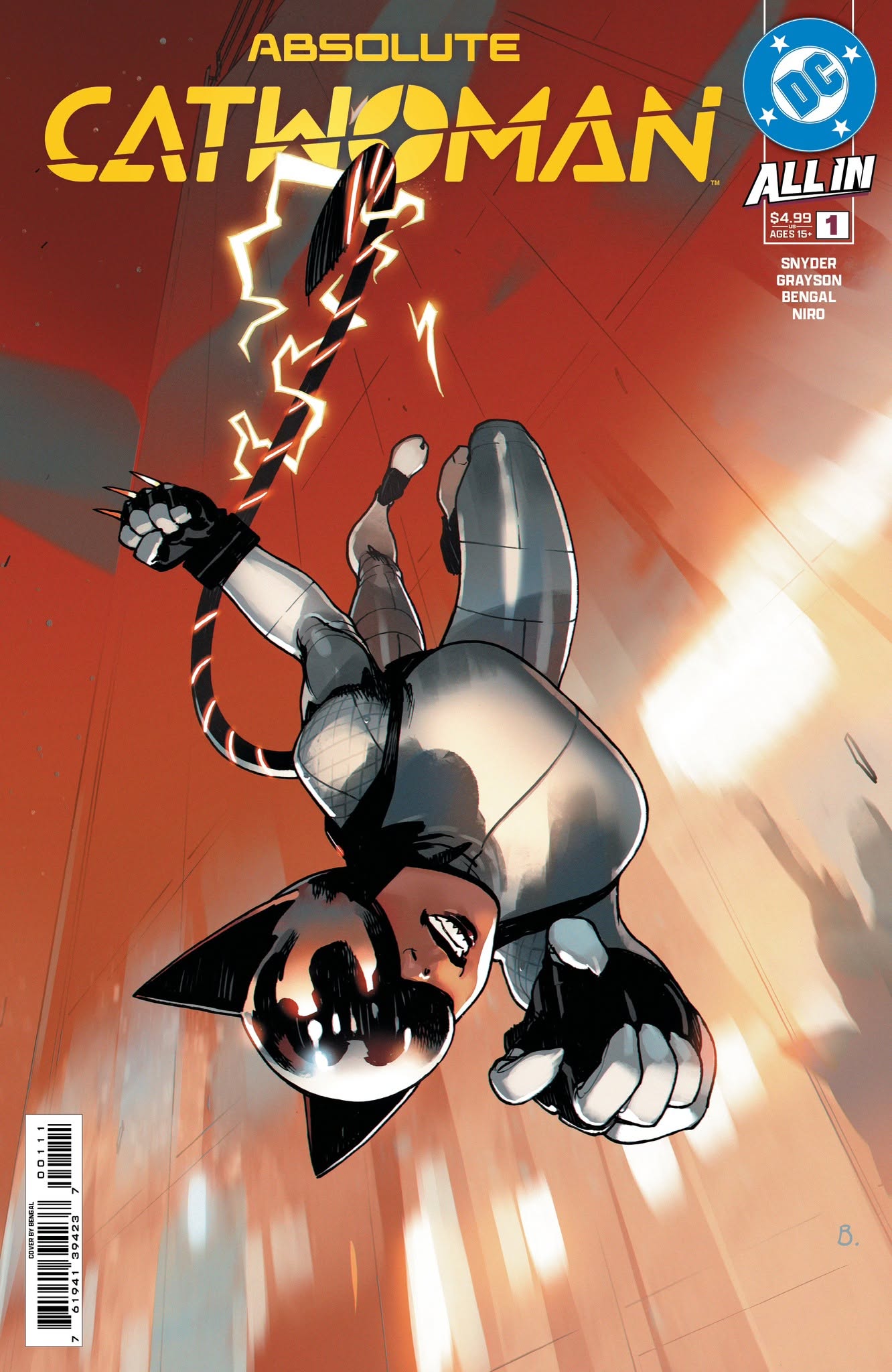 Absolute Catwoman # 1 – Spinning out of the pages of “Absolute Batman,” this version of Catwoman marks a significant departure from her traditional portrayal. Here, she is depicted as a tech-savvy international mercenary who operates worldwide and flees Gotham City for a more luxurious lifestyle. At 25, Selina Kyle retires from her life of theft until her past resurfaces when a group of women dressed in her old Catwoman costume, called The Calico, pull her into a worldwide conspiracy. While Scott Snyder shares writing duties with Che Grayson, it often feels as though Grayson is in control, quickly establishing her voice as a more intense version of Batman that stands out on her own. The story incorporates James Bond-like elements and explores her background as a Cuban and Sicilian woman, emphasizing her motivation as a freedom fighter seeking peace rather than greed. Grayson’s first-person narrative adds a compelling and fresh perspective, distinguishing this series from other Absolute titles. Bengal’s art, combined with Giovanna Niro’s sleek coloring, provides a cinematic tone that perfectly complements Snyder and Grayson’s storytelling. Ultimately, Absolute Catwoman delivers a powerful, adrenaline-fueled story that retains the classic elements fans love about Selina Kyle, making it an excellent entry point for newcomers. It’s another must-read in the Absolute series.
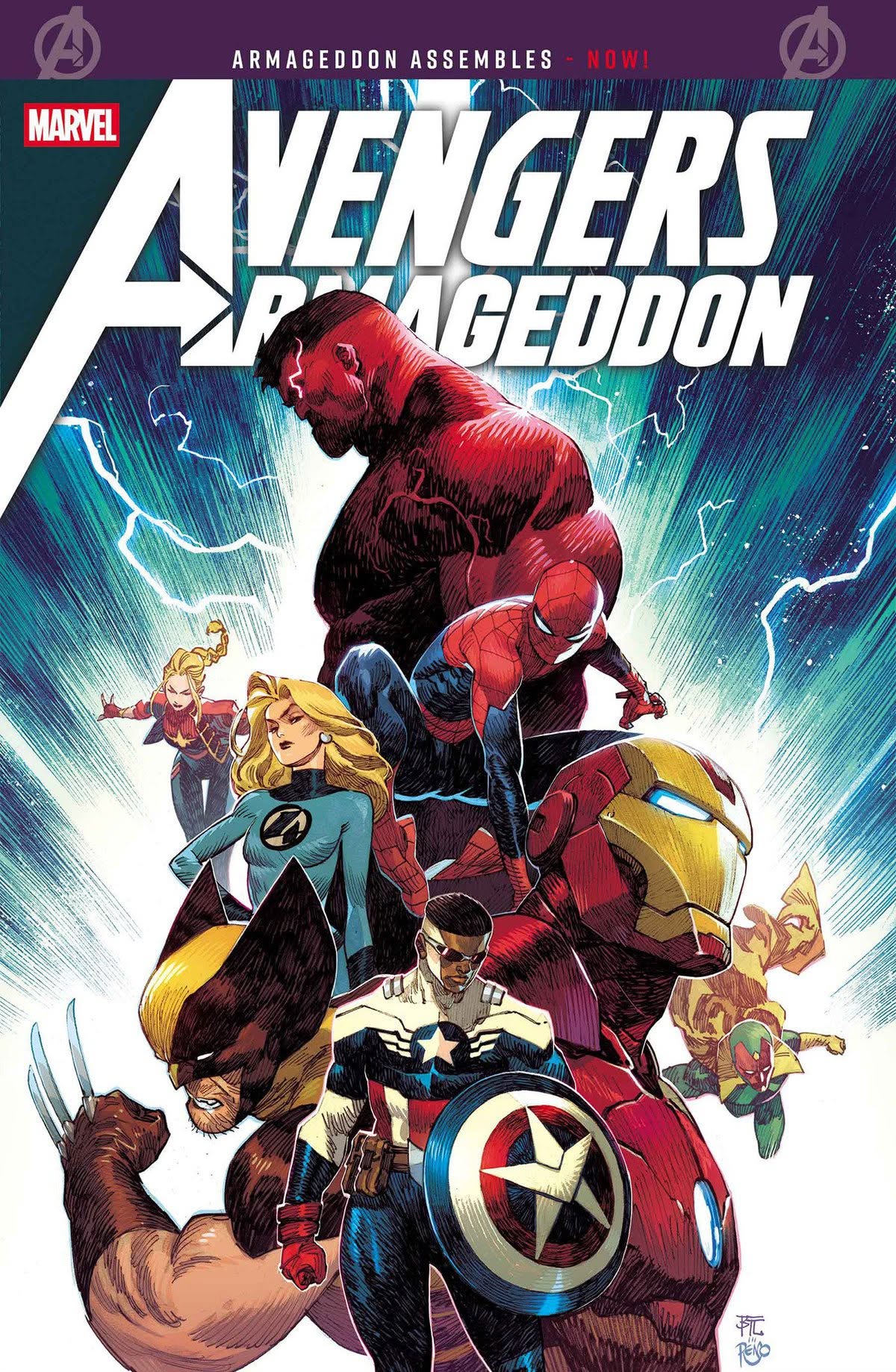 Avengers: Armageddon # 1 – Break out the popcorn and soda—summer is here, and that means Marvel’s latest blockbuster event is upon us. In the aftermath of “One World Under Doom,” General Thaddeus “Thunderbolt” Ross (Red Hulk) has seized control of Latveria, renaming it “New America.” Using Doctor Doom’s abandoned predictive technology to glimpse future timelines, Ross amasses an army of Hulks and begins a totalitarian, global crusade, intent on forcibly imposing his vision of democracy on every dictatorship around the world—an act that ignites World War III. Event fatigue might be setting in for these annual Marvel spectacles, but this issue delivers more than expected. As the Avengers and Fantastic Four brace for battle, Steve Rogers is tragically killed, prompting the team to recruit David Colton (the 2000s’ Captain America). Notably, Chip Zdarsky finally gives Colton some compelling characterization, though he still largely serves as a wildcard despite his immense power. One standout aspect of this debut is its graphic violence, which amplifies the urgency but sometimes tips into pure shock value. Casting Red Hulk as the main villain may feel forced, but considering his past actions, he’s a chilling threat whose next moves will keep readers guessing. The artwork by Delio Diaz and Frank Alpizar is stunning, providing a cinematic flair that leaps off every page. Though this opening suffers from some event fatigue and leans heavily on shock, Avengers: Armageddon stands out as a blockbuster—loud, aggressive, and visually impressive, but also packed with enough intriguing plotlines to capture any fan’s interest.
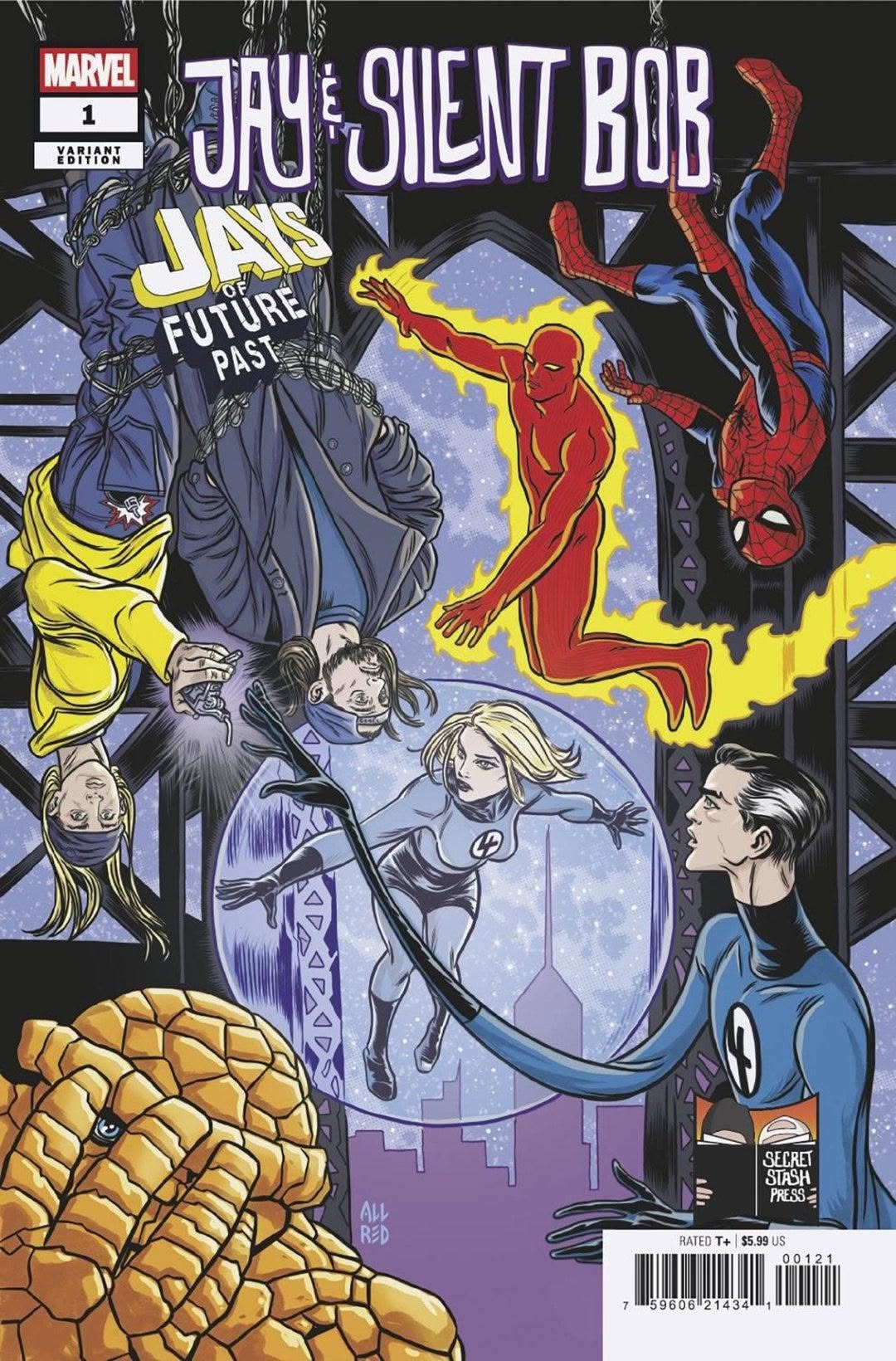 Jay & Silent Bob: Jays of Future Past # 1 – First pitched to Stan Lee on the set of “Mallrats” in 1995, Kevin Smith finally delivers on the long-imagined crossover that serves as a heartfelt tribute to both the Marvel Universe and his own View Askewniverse. The story unfolds as a time-hopping adventure: when Doctor Doom recognizes the universe-shattering power (and potential) of a cosmic joint known as the “Doobie of Destiny,” he launches a full-scale assault on the Quick Stop to claim it for himself. In the original timeline, smoking the Doobie of Destiny altered reality, accidentally granting Jay and Silent Bob supreme, reality-warping cosmic powers—a blunder that sets off a chain reaction threatening to destroy human civilization. This issue is pure fun, from Brodie Bruce lobbing inappropriate questions at The Thing to Jay and Silent Bob mingling with Marvel’s biggest names. Watching them interact with the Fantastic Four, X-Men, Spider-Man, and the Avengers is an absolute riot (the MC Hammer and Tony! Toni! Toné! references were especially wild). Still, it’s Deadpool’s appearance that truly sells this one-shot. Honestly, a Kevin Smith-written Deadpool series would be a brilliant move for Marvel. The one-shot perfectly captures Smith’s signature crass dialogue, pop culture references, and comedic puns—infused with a distinctly Jersey flavor and plenty of Easter eggs from his past films, especially “Clerks 3.” Seeing Marvel’s heroes react to Jay and Silent Bob’s antics makes for a laugh-out-loud read, and Silent Bob wielding Mjölnir is as surprising as it is hilarious. While the premise is classic Kevin Smith “been there, done that,” his writing is sharper than ever, with Giuseppe Camuncoli’s stellar artwork elevating the experience. “Jay & Silent Bob: Jays of Future Past” masterfully blends comic book tropes with over-the-top comedy, delivering nonstop laughter throughout.
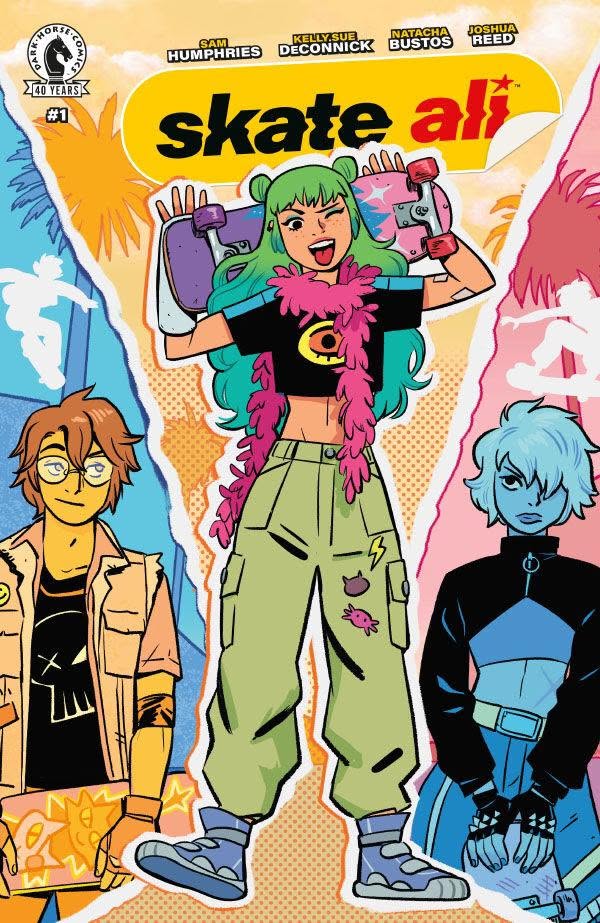 Skate Ali # 1 – Dark Horse Comics’ latest title, written by Sam Humphries and featuring art by Natacha Bustos from a concept co-created with Kelly Sue DeConnick, transports readers to a neon-soaked, dystopian Los Angeles where a fascist government has outlawed skateboarding. The story follows Ali, a green-haired teenager dealing with family troubles and constantly dodging detention. Living as a loner on the city’s heavily patrolled streets, Ali’s world changes when she encounters the LA Skull Clan—a secretive group of outlaw skaters led by the mysterious Skull Queen. The narrative channels the energy of ‘90s HBO films and classic skate documentaries like “Dogtown & Z-Boys,” while adding a supernatural twist through “The Rush,” a mystical power that lets skaters perform unbelievable tricks and rebel against the authorities (I should ask my friend, skate legend Andy Cazares, if his board has any hidden powers). The comic captures the rebellious spirit of skateboarding and brings a bold, futuristic Los Angeles to life with Bustos’s striking animated style. Humphries’s writing demonstrates a clear love for punk and skate culture, appealing to fans and steering clear of stereotypical teen dialogue. Ali is a protagonist who’s easy to cheer for, embodying the underdog spirit. With its inventive blend of skate culture and sci-fi rebellion, this series could become the breakout indie hit of 2026—delivering a vibrant, offbeat story that celebrates skateboarding’s enduring appeal.
About Author
