
Cannabis and creative media have always shared an unofficial relationship. From underground comix in the 1960s to modern graphic novels that explore altered states and counterculture, the plant has been woven into comic storytelling for decades.

Photo by Pavel Danilyuk on Pexels
Alt text: A creative studio workspace with illustration tools and artistic materials
Now that Canada and multiple U.S. states have legalized recreational cannabis, that relationship has moved from the margins to the mainstream. Dispensaries like Cheap Cannabis serve a growing community of consumers who see cannabis as part of their everyday lifestyle, not a subculture to hide. This shift has opened new territory for creators, publishers, and entertainment brands.
Why Did Cannabis Become Part of Mainstream Pop Culture?
Legalization changed public perception faster than most industries expected. Once cannabis became a regulated product sold in licensed stores, the stigma surrounding it started to dissolve.
In Canada, where recreational cannabis became legal nationwide in 2018, consumer spending reached billions of dollars annually within a few years. According to Health Canada’s cannabis overview, cannabis retail sales have grown consistently since legalization, reflecting broad consumer adoption across age groups and demographics.
This normalization gave entertainment creators permission to treat cannabis as a casual part of character development rather than a plot device reserved for cautionary tales or stoner comedy tropes. Modern comics, TV series, and films now feature characters who use cannabis the same way they might drink coffee or wine: as a background detail that adds realism without defining the character.
How Has Legalization Changed Cannabis in Creative Media?
The shift from taboo to legal has produced a new wave of storytelling. Here is how the creative space has evolved.
- Independent comic publishers now produce cannabis-themed series that explore the plant’s history, science, and culture without relying on parody or shock value.
- Graphic novels have begun documenting the social justice dimensions of cannabis legalization, including expungement movements and equity licensing programs.
- Animation studios have moved beyond the “stoner character” archetype to portray cannabis use with the same nuance given to any other adult behavior. This mirrors how comics have rewritten other long-standing tropes, as seen in the evolution of the nerdy glasses trope across decades of pop culture.
- Branded entertainment deals between cannabis companies and media producers are growing, similar to the alcohol industry’s long-standing relationship with film and television. As explored in Comic-Con and the business of pop culture, this commercial-cultural crossover has been reshaping fandom for years.
- Fan conventions and comic expos in legalized markets now feature cannabis brand booths alongside traditional exhibitors.
- Webcomic creators on platforms like Webtoon and Tapas have found audiences for cannabis education content presented in illustrated, shareable formats.
The creative freedom that comes with legalization has produced better stories. Writers and artists no longer need to be edgy or rebellious to include cannabis. They can simply be honest.
What Role Do Canadian Dispensaries Play in the Culture?
Canadian dispensaries have become community spaces in many neighborhoods. They sponsor local events, support artists, and stock curated product selections that reflect regional tastes and preferences.
Online dispensaries expanded access further. Consumers in remote areas who previously had limited options can now browse extensive catalogs of flowers, edibles, concentrates, and accessories from home. This accessibility has normalized cannabis purchasing the same way online wine and craft beer retailers normalized specialty alcohol shopping a decade earlier.
According to the Canadian Centre on Substance Use and Addiction, legal cannabis sales have steadily displaced the illicit market as consumers shift toward regulated products with tested potency and verified ingredients. This transition benefits consumers through product safety and supports the creative economy through tax revenue that funds arts programs and community development.
How Are Cannabis Brands and Entertainment Properties Collaborating?
The partnership model between cannabis and entertainment is still evolving. Here is what the early collaborations look like.
- Limited-edition strain releases tied to comic book launches or film premieres. These crossover products appeal to collectors and fans of both worlds.
- Artist collaborations on packaging design. Cannabis brands commission illustrators and comic artists to create distinctive visual identities for their product lines.
- Sponsored content series where cannabis brands fund original webcomics or animated shorts that align with their brand personality without being overtly promotional.
- Convention sponsorships at comic expos and fan events in legal markets. Brands gain visibility among a highly engaged demographic.
- Merchandising crossovers combining cannabis lifestyle products with pop culture IP, similar to how craft breweries partner with entertainment franchises.
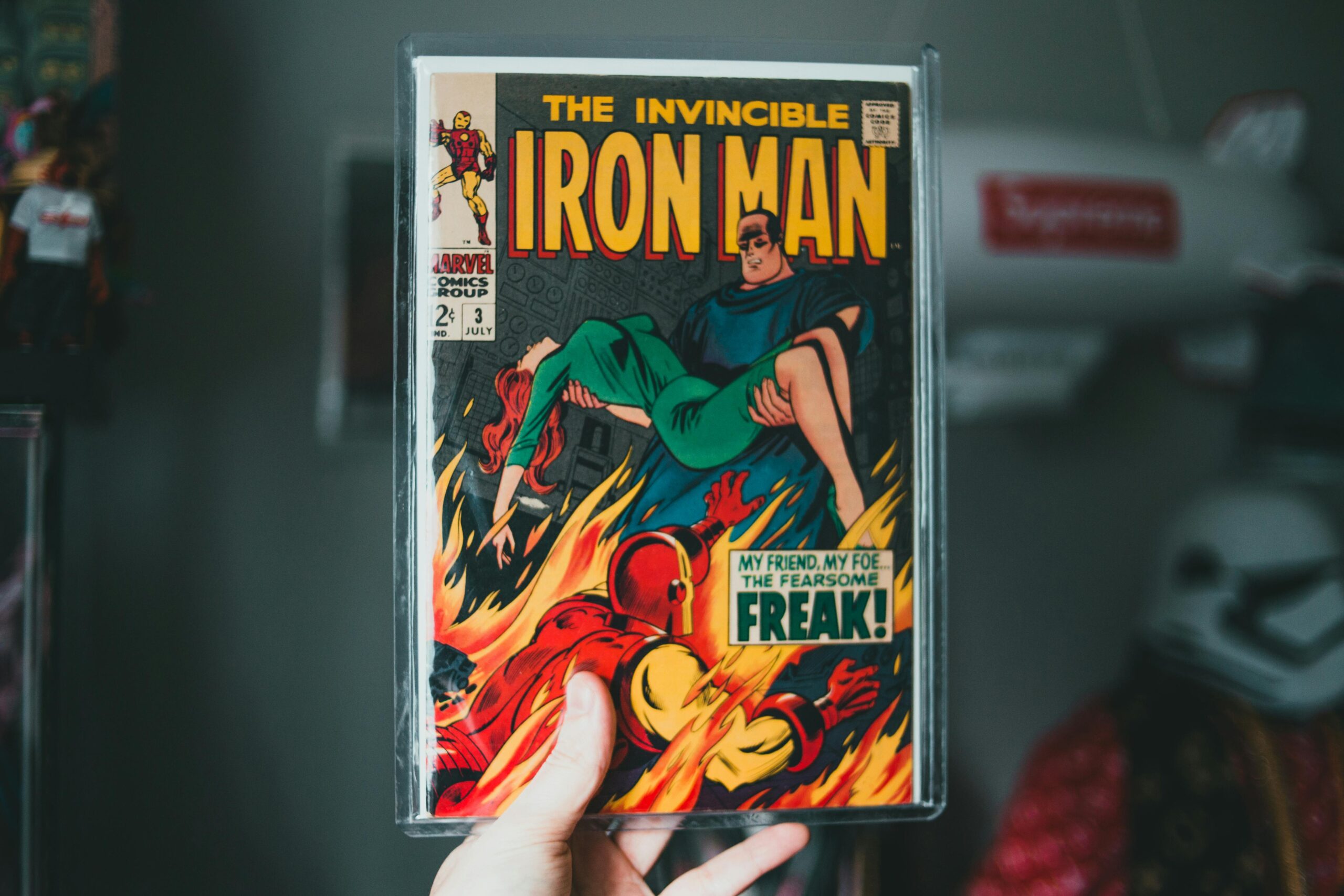
Photo by Erik Mclean on Pexels
Alt text: A colorful collection of comic books displayed on a shelf
These collaborations work because both industries value creativity, authenticity, and community engagement. The overlap in audience demographics makes the partnership natural rather than forced.
What Does This Mean for Creators and Fans?
For creators, legalization removes a content restriction that limited storytelling options for decades. Writers can now tell cannabis stories without legal liability concerns or publisher hesitation. Independent artists have a new market of brands eager for creative visual content.
For fans, the crossover means richer entertainment that reflects how many people actually live. Cannabis is a normal part of millions of consumers’ lives, and seeing that reflected honestly in media creates a sense of recognition and inclusion that stereotyped portrayals never provided.
Cultural Crossover Highlights
- Cannabis has been part of comic culture since the underground comix movement of the 1960s.
- Canadian legalization in 2018 accelerated the normalization of cannabis in mainstream entertainment.
- Modern creators treat cannabis with nuance rather than relying on stoner stereotypes.
- Canadian dispensaries function as community spaces and support local creative economies.
- Brand-entertainment collaborations are growing through artist partnerships, event sponsorships, and crossover merchandise.
- Legal cannabis markets fund arts programs and community development through tax revenue.
From the Margins to the Mainstream
The relationship between cannabis and creative culture is no longer underground. It is a visible, growing part of how entertainment is made, marketed, and consumed. For fans and creators alike, that openness produces better stories, more honest characters, and a culture that reflects reality rather than outdated stereotypes.
FAQ
Is cannabis legal in Canada?
Yes. Canada legalized recreational cannabis nationwide in October 2018 under the Cannabis Act. Adults can purchase from licensed retailers in-store and online, with regulations varying slightly by province.
How has legalization affected cannabis in media?
Legalization removed much of the stigma that limited cannabis portrayal in mainstream media. Creators now feature cannabis use as a normal background detail rather than a plot device, producing more authentic and nuanced storytelling.
Can cannabis brands sponsor entertainment events in Canada?
Canadian regulations restrict cannabis advertising more tightly than alcohol. Brands can sponsor events but cannot promote products directly to minors. Most partnerships focus on adult-only spaces like conventions and private events.
Are there comic books specifically about cannabis?
Yes. Several independent publishers produce cannabis-themed series covering culture, history, science, and social justice. Cannabis-related content has expanded from parody into serious graphic storytelling in recent years.
About Author
