 I’ve done a little spotlight on the Legion of Superheroes, which possibly has the most messed-up continuity of anything in the comic book mythos. DC has a history of messing with the Legion completely. And, truthfully, that’s an understatement. Over the years, you’ve ended up with at least different versions of the Legion.
Ten years after Crisis, DC did Zero Hour. Though not as expansive as Crisis on Infinite Earths, Zero Hour played a vital role as its successor, resolving lingering continuity issues and ushering in a refreshed narrative direction. By resetting the timestream, DC Comics was able to correct timeline discrepancies—most notably those surrounding Hawkman, the Legion of Superheroes, and Wonder Girl.
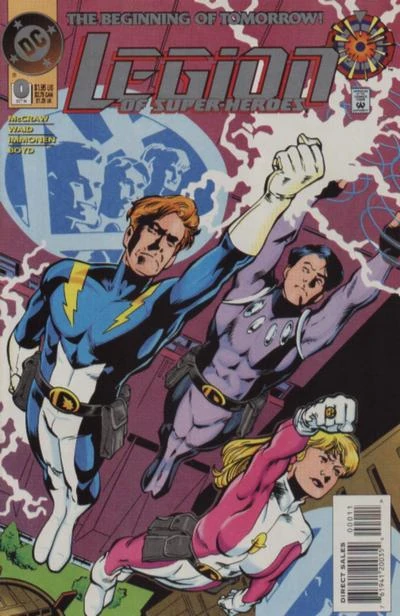
Zero Hour dramatically reshaped the Legion of Superheroes, effectively wiping their existing continuity and launching a full-scale reboot. The original timeline was erased, and a fresh narrative began with Legion of Superheroes (vol. 4) #0 and Legionnaires #0, introducing a reimagined 30th-century team. This overhaul reinvented the Legion’s origin story, interpersonal dynamics, and character development, breaking away from established lore. Several heroes adopted new identities—most notably, Lightning Lad was now known as Livewire.
What I find amusing is that the reasoning behind all the changes was that Legion lore was too complex for fans. However, if you look at the DC of today, you almost need a scorecard to keep track of all the things—past, present, and future—going on with DC today.
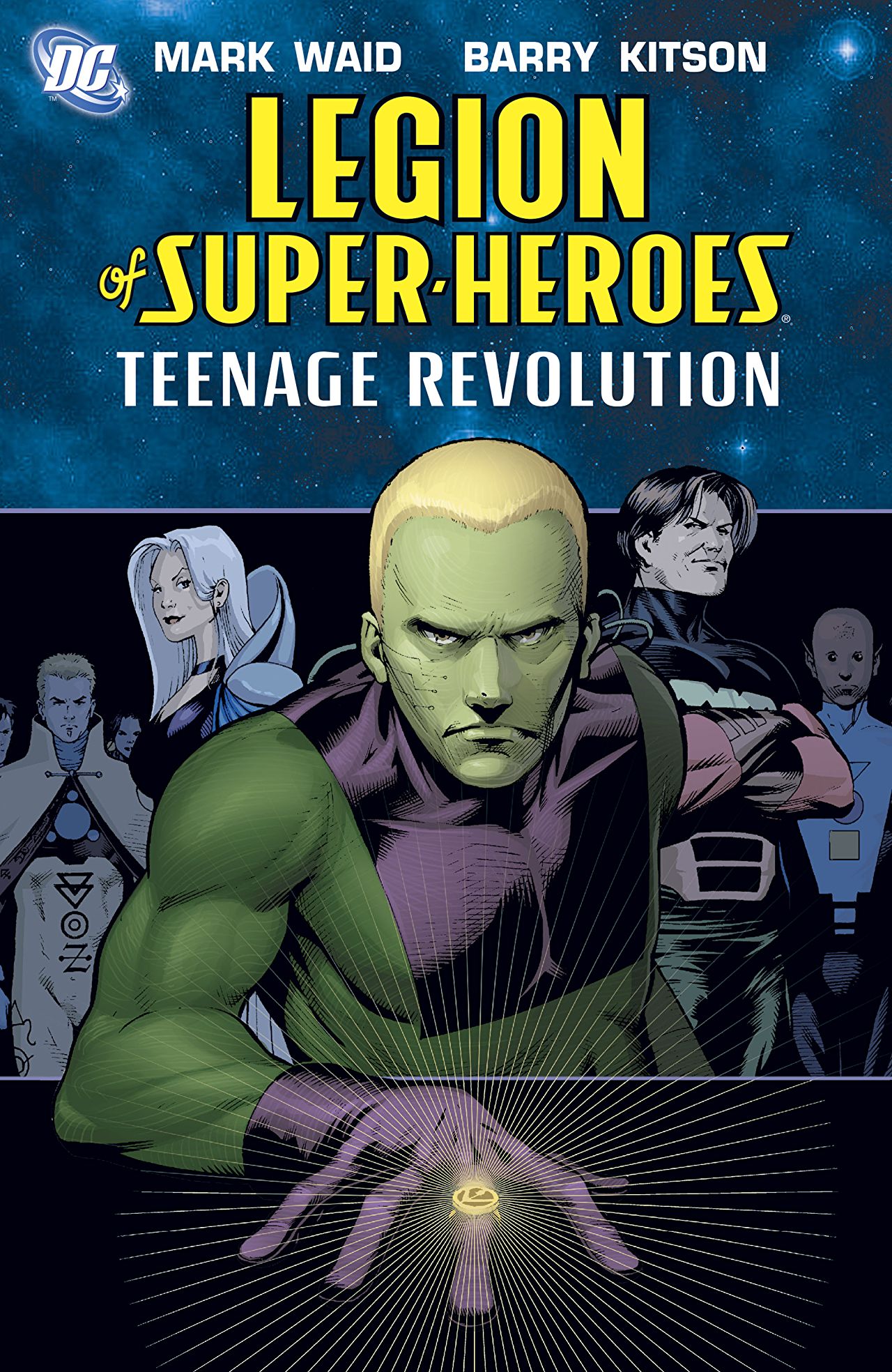
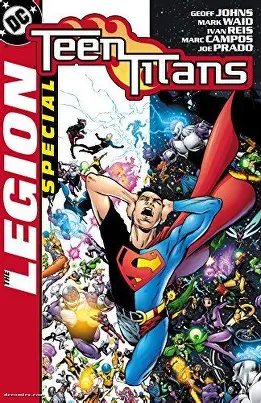 Long ago (or that’s how it feels sometimes), DC remained concerned that the Legion’s complex history was overwhelming for readers. In response, the 2004 Earth-Prime iteration—introduced in Teen Titans/Legion Special and Legion of Superheroes (vol. 5) by Mark Waid and Barry Kitson—presented a fresh take: a younger, socially conscious team with modernized character dynamics and redesigned aesthetics.
 Arguably the most epic Legion crossover ever, Final Crisis: Legion of 3 Worlds (2008–2009) is a five-issue miniseries penned by Geoff Johns with art by George Pérez. It unites three distinct incarnations of the Legion of Superheroes—the original pre-Crisis team, the post-Zero Hour reboot, and the 2004 “Threeboot” version—for a climactic showdown against Superboy-Prime and the Legion of Super-Villains in the 31st century. The series honors the Legion’s rich history while untangling continuity across DC’s multiverse. It also marks the return of fan-favorite heroes like Bart Allen (Kid Flash) and Conner Kent (Superboy), ultimately reestablishing the classic Legion as the central timeline moving forward.
The Legion floundered during the New 52, but glimmers of a better future happened with the appearance of Saturn Girl in Rebirth #1. She was portrayed as a mysterious blonde woman arrested for stealing a sandwich, claiming to be from the future. Then, any hope was smashed during Doomsday Clock.
 As Doctor Manhattan reshaped reality—eliminating foundational elements like the Justice Society and the Legion of Superheroes—Saturn Girl gradually lost her memories and ultimately vanished, serving as a poignant metaphor for the Legion’s erasure. His interference with time and the metaverse effectively erased the Legion’s future, accounting for their absence throughout the New 52 and the early stages of Rebirth.
But maybe things are starting to change. DC has danced around the Legion in recent years. And, even though there’s a “Dark Legion” of Darkseid, maybe DC is going to give us some sort of Legion again, finally. And maybe, this time around, DC won’t meddle with it as in the past.
About Author
