
 While Archie and the Gang have gotten their deserved share of the Archie Comics attention, there are other Archie areas that fans should explore. Before Archie, the bread-and-butter for the company was the heroes, like the Shield. He was the first patriotic character, even being out Captain America by several months.
 While the Mighty Crusaders still pop up in today, often in one of the Archie’s many digests, it’s been awhile since there’s been a big revival. There’s been many attempts to make the Crusaders into what fans believe the characters can be if given the right chance. Personally, I think much if it is bad luck, because the Crusaders are not carbon-copy or stereotypical heroes. DC even tried a revival in 1991, under Impact Comics that didn’t last long.
 In 2010, DC Comics went back to those Archie’ heroes with the four-issue miniseries Mighty Crusaders, reviving characters from the Red Circle imprint—originally part of Archie Comics’ stable of heroes. Under the helm of writer Eric Trautmann and artist Marco Rudy, this series reimagined these lesser-known champions for a modern audience, blending classic superhero tropes with sleek storytelling and bold visuals.
 If you’re new to comics, this short run offers a manageable and intriguing entry point into superhero teams that aren’t the Justice League or Avengers. Mighty Crusaders is essentially a reformation of old-school characters like The Shield, The Comet, Fly Girl, Black Hood, and others—refitted with updated designs, motivations, and interpersonal dynamics. It’s part superhero action, part legacy drama, and part covert-ops thriller.
 The series follows The Shield—a military operative with enhanced strength and technology—as he gathers fellow heroes in response to a growing extraterrestrial threat. What makes this gathering different from your typical team-up? There’s tension. These heroes aren’t friends. They’re reluctant allies pulled together by circumstance, political pressure, and mutual need. That dynamic injects real stakes into their dialogue and decisions. For new readers, it’s refreshing to see heroes disagree, question one another’s motives, and evolve beyond basic archetypes.
 Marco Rudy’s artwork is bold and unconventional—veeringbetween abstract flourishes and gritty textures. It’s far from traditional superhero aesthetics, and that’s precisely what makes it compelling. While some panel layouts may challenge readers accustomed to cleaner compositions, Rudy’s experimental style amplifies the story’s moody, shadow-laced tone. Colorist Mick Gray and letterer Pat Brosseau deepen the atmosphere, infusing the pages with a sense of urgency and secrecy that perfectly complements the narrative.
 While the narrative moves quickly—sometimes too quickly for deep character development—it successfully balances introductions with action. You’re given just enough backstory to know who these heroes are and what’s at stake. For newcomers unfamiliar with The Fly or Inferno, the mystery surrounding their origins works in favor of the storytelling, prompting curiosity without overwhelming exposition.
 Thematically, the comic touches on legacy, duty, and the cost of secrecy. It’s not trying to reshape superhero comics, but it does offer something distinct: a revival that honors its pulp roots while injecting modern sensibilities. If you’re a fan of ensemble dramas, high-stakes espionage, and characters that fall outside DC’s mainstream, Mighty Crusaders delivers a compelling sampler.
Granted, this series didn’t spark a lasting franchise or continuous runs, but it planted seeds for future iterations and reminded readers of the depth in comic book history beyond marquee names. For new comic fans, it’s a chance to explore characters who aren’t overexposed, whose stories still carry a sense of discovery and potential.
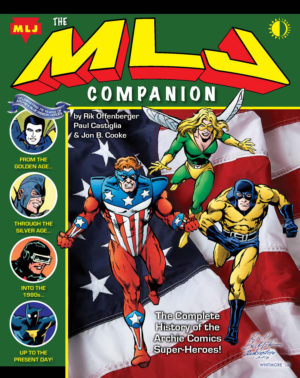
There are a ton of places to learn more about Archie’s Mighty Crusaders. Leading the list is TwoMorrows’ The MLJ Companion, an in-depth exploration of Archie Comics’ superhero roots—spotlighting the original MLJ lineup that predates the publisher’s shift to teen-centric tales like Riverdale. Beginning with the Golden Age icons, the book traces the transformation of these early heroes into the team that would eventually be known as the Mighty Crusaders.
About Author
