Stephen J. Cannell didn’t like superheroes. He thought they were stupid.
Cannell, one of American TV’s most successful writer-producers, never read superhero comic books and didn’t watch superhero TV shows. The superhero was, as he put it, “a BS genre.”
But superhero shows had provided ABC TV with some of its biggest hits, including Batman and The Six Million Dollar Man, and the network wanted another one.
ABC thought Cannell could do it. He wasn’t so sure.
 “I had learned not to not to say no in the room, but to always bring the piece of meat back to the den and kind of sniff it for a while before I kick it out in the sand,” Cannell recalled in an interview for the Archive of American Television. “So I said, ‘Let me think about it. Maybe, something.’ I was sort of thinking, ‘I’m never going to do this.’”
All right, so superheroes were bullshit. Where to go from there?
Wait a minute, Cannell thought. The private detective genre was also BS, and yet he had created one of the most successful private eye series in TV history, The Rockford Files.
How had he done that? By pretending he was Jim Rockford.
“What would I do if I were Rockford?” Cannell said. “If I had a guy pull a gun on me, I’d give him my watch. So I always knew what Rockford would do, because it was exactly what I would do.”
Okay then. What if he, television writer Steve Cannell, were given a caped, super-powered suit by aliens and told that while wearing it, he could accomplish great good for the globe?
Cannell mused about that.
 “I’ve got TV shows on the air, I’ve got networks calling me up wanting me to do pilots, and I’m going to put on this spandex outfit with a cape and run around in the street? What would I do? And what happens when I get arrested the first time, and my wife comes down and goes, ‘What are you doing?’ And I’m, ‘Oh, this is for Bud and Joan’s costume party.’ The second time I get caught, what am I going to say? All of a sudden, that starts to be funny to me.”
To make his dramedy concept work, Cannell insisted the powers must reside in the alien superhero suit. That required idealistic teacher Ralph Hinkley (William Katt) to wear the embarrassing costume, something no one would ordinarily do, and thereby provided a convincing explanation for an otherwise inexplicable comic book convention.
“Did I have any hesitation about doing the show? Yes!” recalled Katt. “At the time, I had a nice apartment on the West Side in Manhattan, and I liked working in the theatre. Moving back to Los Angeles and doing TV wasn’t an exciting prospect for me.
“But more than that, you have to remember back then, doing a superhero show was at the time considered the ‘kiss of death’ for an actor wanting to be taken seriously as an actor.
“Remember, this is way before it was ‘de rigueur’ and actors like Robert Downey, Mark Ruffalo, Scarlett Johansson, Ed Norton, Chadwick Boseman, Gal Gadot, etc., all sought out those high-paying Marvel and DC superhero films we run to see these days. Doing Greatest American Hero in 1979 was going to be risky for me!
“What it had in its favor and ultimately turned the tide for me was meeting Stephen J. Cannell. He flew to New York and took me to dinner!
“Not only did he come with a tremendous pedigree in the television industry, but he was a gem of a guy! Charismatic, warm, funny, smart, and he knew how to tell some pretty darn funny stories — the pilot script for Hero being one of those!”
The Cannell shows were a matter of deftly navigating between dramatic poles. They winked at the inherent absurdity of fictional genres like private eyes and superheroes, even as they provided moments of heartfelt heroics.
The reluctant hero, the superher,o and superhuman high jinks — Cannell’s recipe successfully blended ingredients from The Rockford Files, The Adventures of Superman, and Bewitched into something fresh.
Robert Culp, who co-starred as gung-ho FBI agent Bill Maxwell, said this approach was typical of Cannell’s creativity.
“What Steve is good at is taking a light-hearted approach to a genre, if you will, and kind of putting a twist on it that no one else would think of but Steve Cannell,” Culp said.
 The pilot, which pitted Ralph and Bill against fascist religious fanatics, also introduced the third member of the team, Pam Davidson (Connie Sellecca), Ralph’s fiancée and a level-headed lawyer. From the first, she provides balance whenever Ralph or Bill threatens to go off the deep end.
“Look at it this way,” Ralph kidded her. “You’re one step ahead of Lois Lane. She never found out who Clark Kent really was.”
The deadpan look of loathing Pam shoots him is priceless.
At the end of the pilot, Ralph shakes Bill’s hand, which breaks with a crack. Raising his eyebrows, Culp grimaces stoically and says, “No sweat.”
Having saved the day, Ralph soars away to the tune of the series’ theme, heard for the first time with lyrics sung by Joey Scarbury.
Believe It or Not debuted in the Top 40 of the Billboard Hot 100 on June 13, 1981, peaked at number 2, and spent a total of 18 weeks in the Top 40.
Composer Mike Post said he suggested to lyricist Stephen Geyer that he “…maybe make an analogy between love and flying in the suit (chuckles). And that’s what we did. Number one record.”
The show’s theme song does its job perfectly, echoing and amplifying the dramatic focus of the story: an ordinary person’s wonder at his discovery of extraordinary powers. Everyman as superman.
“Flying away on a wing and a prayer.
“Who could it be?
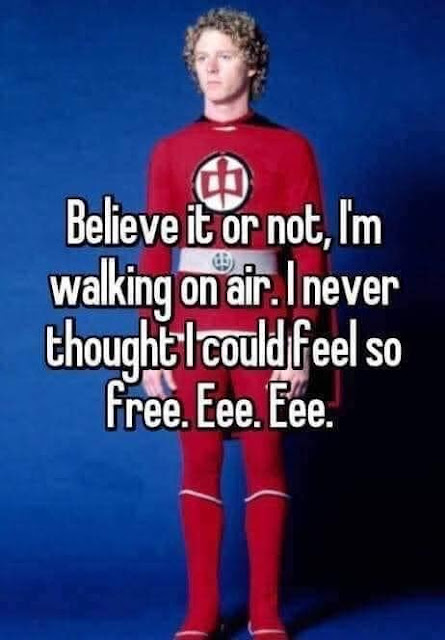
“Believe it or not, it’s just me.”
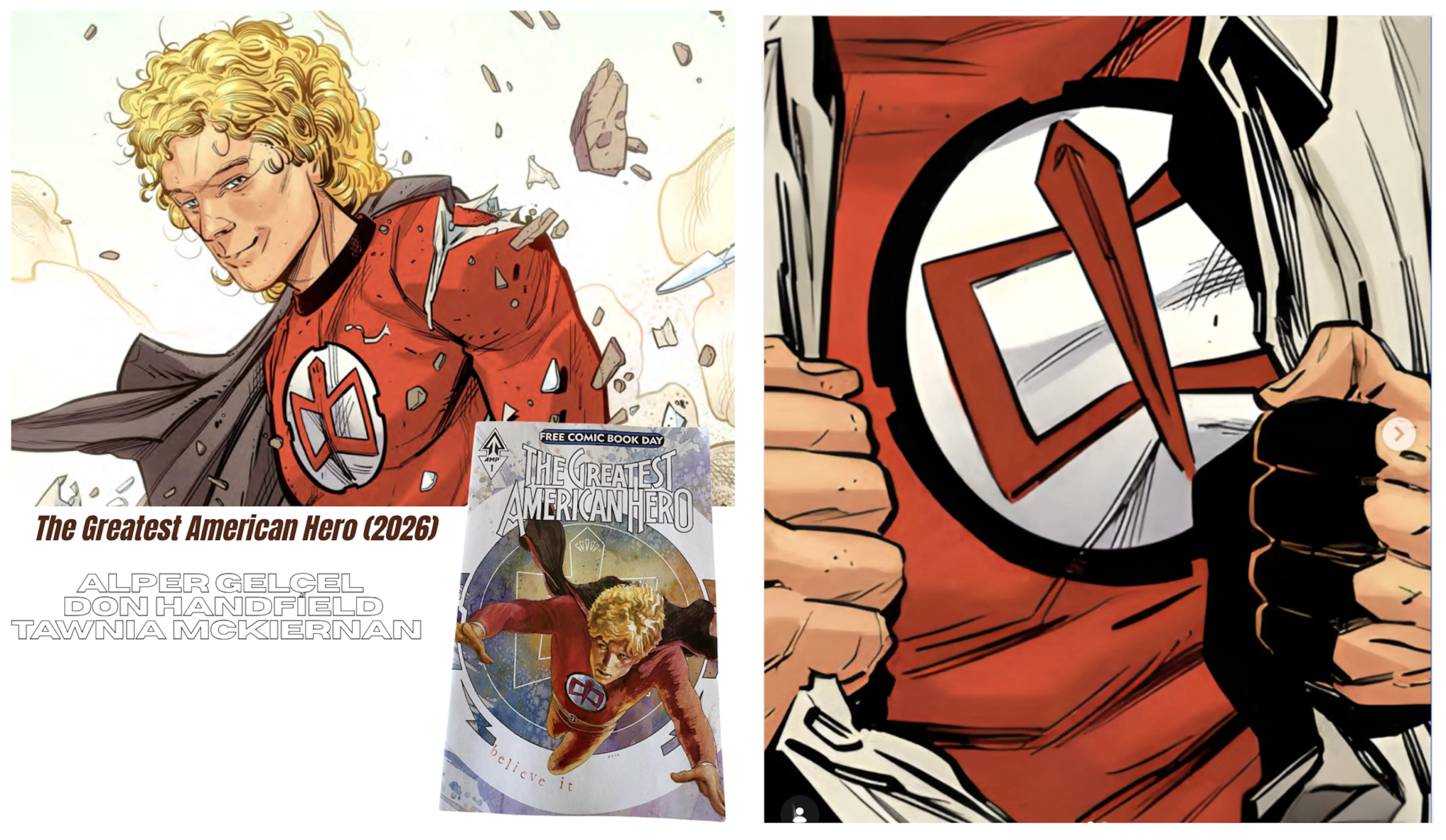
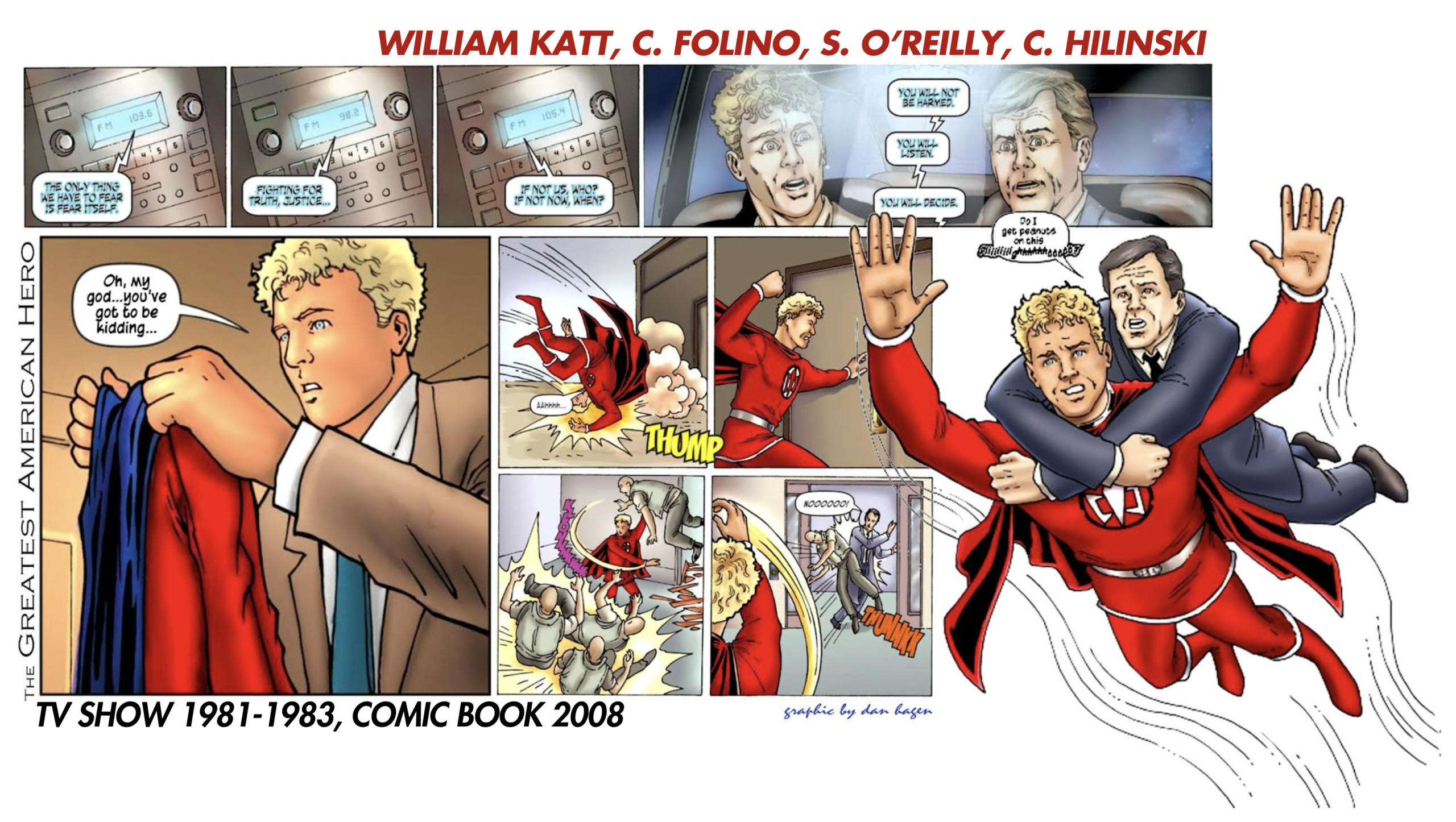
The popular series lasted three seasons. Ralph Hinkley, the comic book-inspired Greatest American Hero, finally starred in an actual comic book in 2008, one published by Arcana and co-written by Katt. And the 2026 Amp Comics’ Free Comic Book Day edition of The Greatest American Hero issue 1 reportedly sold out, leaving roughly 4,000 units on back order. The publisher announced an expanded retail release of issue 1.
About Author
