
Comic book auctions are exciting. Whether you’re chasing a rare Golden Age issue or trying to sell a first print of Spider-Man 300, online auctions give collectors access to buyers and sellers around the world.
But that access comes with risks. Scams, fake bids, phishing attempts, and privacy breaches are more common than you’d think. And once your name, location, or account info gets exposed, it’s hard to clean up.
So how do you enjoy comic auctions without putting yourself or your collection in harm’s way? This guide breaks it down.
 The Comic Auction Boom

Comic auctions are booming. In 2023, Heritage Auctions sold over $150 million in comic books and comic-related art. Sites like eBay, Goldin, ComicConnect, and even Whatnot host hundreds of weekly auctions.
High demand means higher prices. And higher prices mean more scammers.
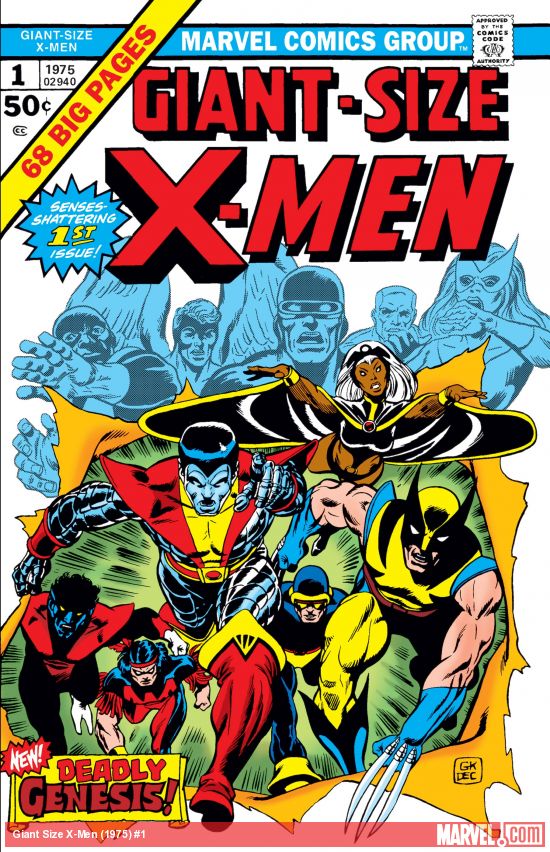
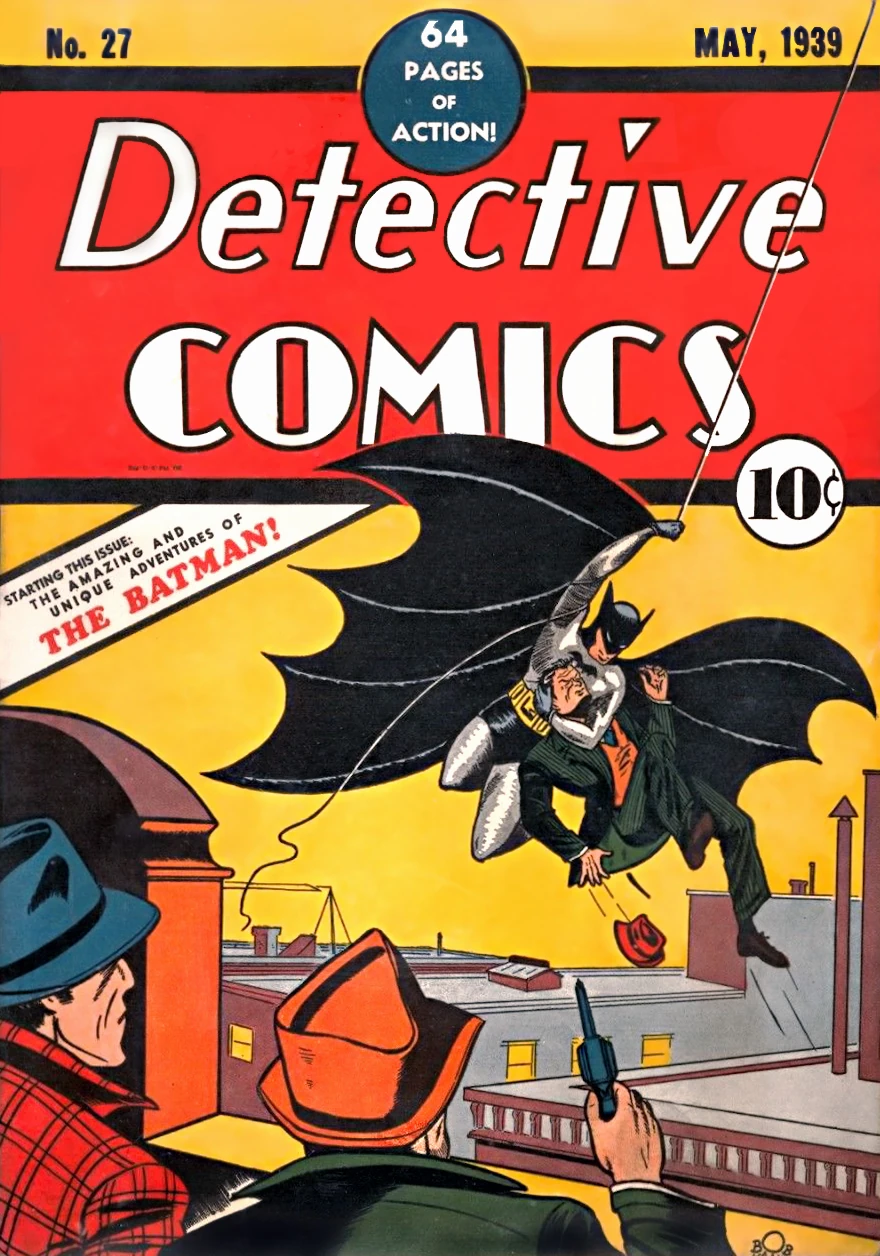
Rare books like Action Comics #1 and Batman #1 make headlines. But even a modest key like X-Men #266 can bring in hundreds of dollars if it’s in great condition. That creates a target-rich environment for fraud.
The Most Common Auction Scams
Fake Bidders
Some scammers bid up the price without ever paying. They want to drive up market value or sabotage other buyers. This leaves sellers stuck with relisting fees and no sale.
Identity Harvesting
Scam buyers might request extra “verification” or ask you to message outside the platform. That’s usually a trick to collect your name, phone number, or address.
Overpayment Tricks
The buyer “accidentally” pays too much and asks for a refund. You send money back, then their payment bounces or gets reversed.
Fake Grading
A seller posts photos of a slabbed comic but sends you a raw or reprinted version. If the listing disappears, there’s not much you can do.
 How to Protect Your Privacy as a Seller

Selling comics online means exposing some info. But you don’t have to give away everything.
Use a Seller Alias
Platforms like eBay allow seller usernames. Don’t use your real name or business name unless you’ve built a store with reviews and support in place.
Ship from a PO Box
Never list your home address as the return address. Rent a PO Box or use a shipping center that provides a commercial mailing address.
Never Message Outside the Platform
Scammers will often ask to “move to text” or “send more photos through email.” Keep all communication on the auction site so you’re protected.
Use Trusted Payment Channels
Only accept payments through the platform’s approved methods. Avoid PayPal Friends and Family or Zelle for transactions with strangers.
 How to Stay Safe as a Buyer
Buying comics at auction can be fun and rewarding. But you don’t want to be the person who shells out $500 for a bootleg.
Check Seller Feedback
Look at reviews and history. If they have zero feedback or only recent sales, that’s a red flag.
Don’t Trust Too-Good-to-Be-True Deals
If someone lists a CGC 9.8 of Ultimate Fallout #4 for $40, run. Scammers use popular keys and fake listings to bait new buyers.
Watch Out for Fake Grading Labels
Some fakes use Photoshop or stolen images of CGC slabs. Use tools like the CGC verification tool to check the cert number.
Use a Secure Payment Option
Never pay with a wire transfer or gift card. Use credit cards or payment processors that offer fraud protection.
One Collector’s Story
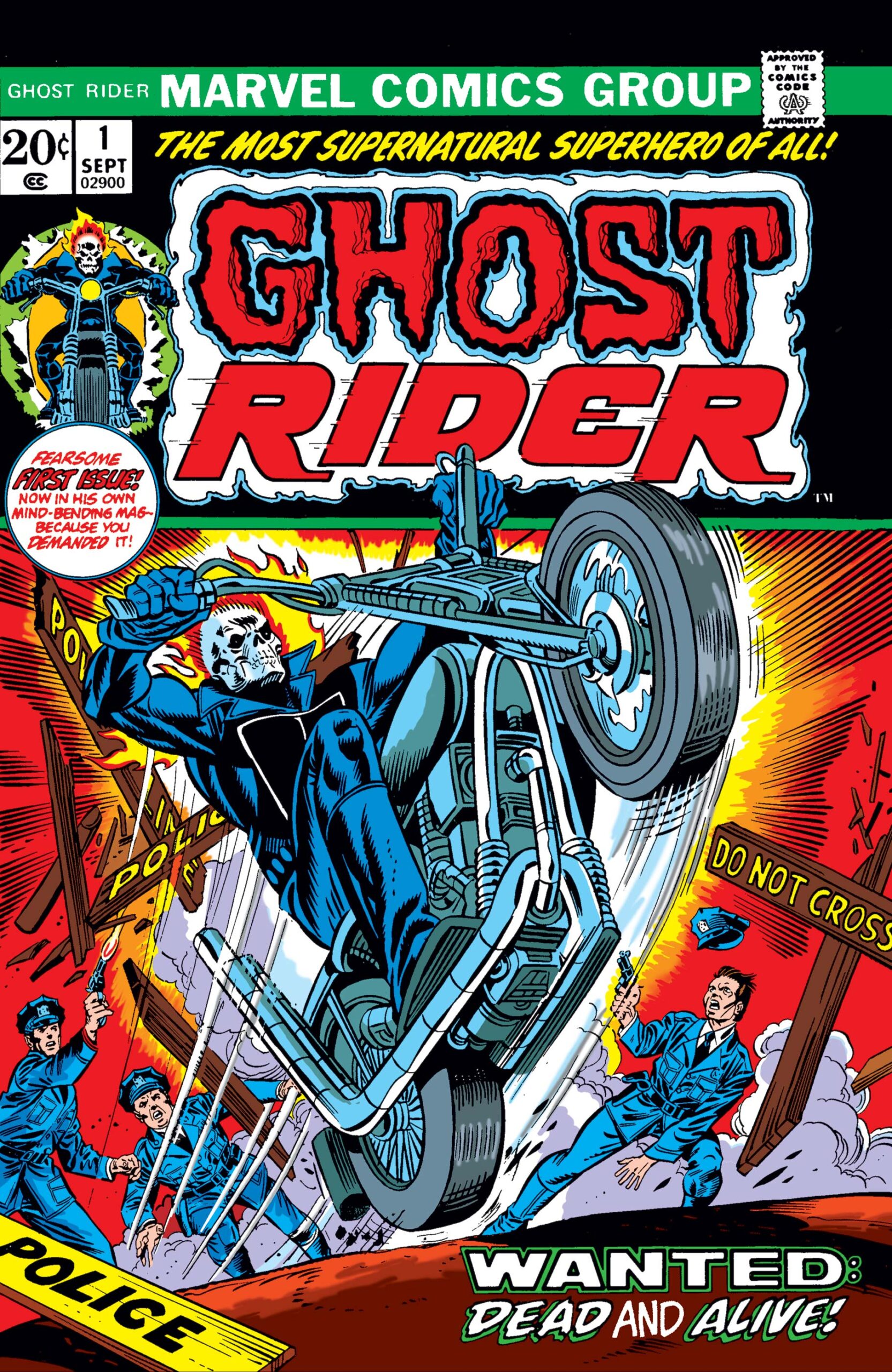
Brad, a longtime collector from Michigan, bid on a rare Ghost Rider #1 from a new seller on an auction site. Everything looked legit — until he received a blank envelope with tracking that said “delivered.”
He said, “They used fake tracking and never sent the book. The platform refunded me, but I was furious. I learned to always check seller history and to never rush into low-feedback listings.”
Brad now sticks to known sellers or platforms with strong refund policies. He also avoids sharing his full name on auction profiles.
 What About Auction Privacy Laws?
In the U.S., online marketplaces are not required to protect seller identities beyond basic account privacy. But if you’re selling comics as a business, some platforms might list your name and business info for tax compliance.
Buyers, on the other hand, often get their addresses exposed to sellers for shipping purposes. This is unavoidable unless you use a third-party service like Shipito or a forwarding address.
For both buyers and sellers, staying anonymous means using aliases, secure emails, and shipping buffers like PO Boxes.
How Online Reputation Connects to Auctions
Let’s say someone finds your eBay handle and Googles your name. If a bad review, arrest record, or old blog post pops up, that could hurt your reputation as a seller. Or worse — it could be used in an extortion scam.
That’s why services like Reputation Recharge exist. They help collectors, small resellers, and even influencers clean up their online profiles so that buyers and sellers can trust them without digging up personal dirt.
Your name matters in the comic book world. A single forum post can follow you for years. Keep your name clean if you plan to be active in auctions long-term.
Tools to Help You Stay Safe and Informed
Here are three trusted tools to help protect your privacy and reputation while selling or bidding:
- Erase – Helps remove personal data, old articles, and unwanted search results
- Reputation Recharge – Cleans up online profiles, removes harmful content, and boosts reputation scores for sellers and small businesses.
- Brand24 – Monitors online mentions of your name, handle, or store across forums, news sites, and marketplaces.
These tools are useful whether you’re running a comic shop or just selling a few books from your longbox.
 Final Thoughts
Comic book auctions are fun, fast-paced, and often profitable. But they come with risk. Scammers look for sellers who expose too much info and buyers who act too fast.
If you want to keep flipping books or hunting grails without headaches, make privacy and security part of your collecting strategy. Use aliases, track your online footprint, and stick to trusted tools.
You can still enjoy the thrill of the bid without putting your name, money, or data on the line. It just takes a little bit of smart planning — and a lot of common sense.
About Author
