
Rediscovering an old Pokémon binder is exciting, but working out what those cards are really worth takes more than a quick search online. From condition and grading to live market trends, here’s how collectors value vintage Pokémon cards today.
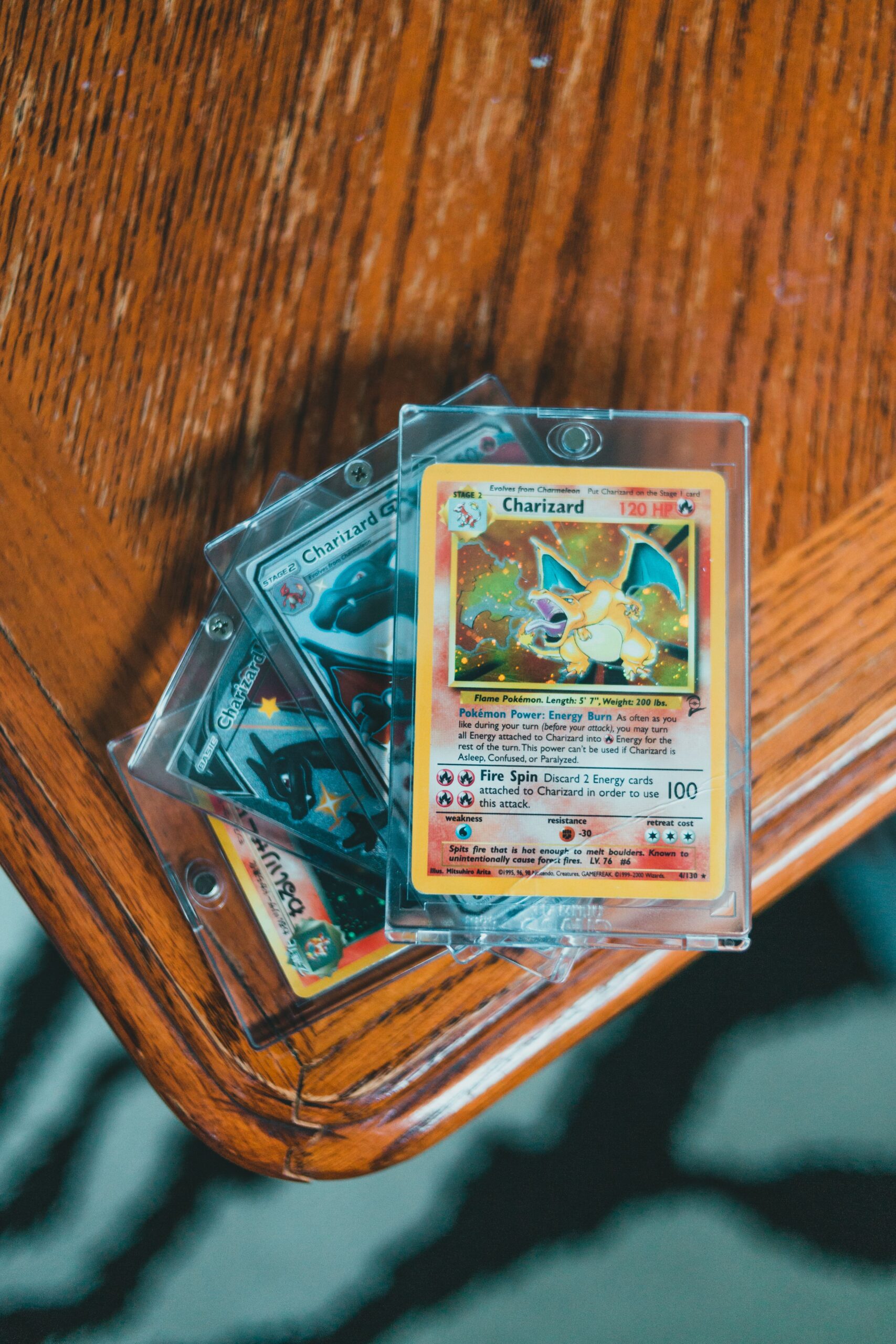 Almost every long-time Pokémon fan has one tucked away somewhere. A binder in the attic. A shoebox in the garage. A folder that has followed you through school, college and a couple of house moves without much thought.
Then one afternoon you open it.
The surprise usually isn’t finding a Charizard. It is realizing that cards you once traded across a classroom desk now sit inside a mature collectibles market, where a tiny print defect, cleaner centering or a sharper corner can change what another collector is willing to pay.
The next question is usually the same: are the cards in front of you genuinely valuable, or simply nostalgic?
If you’re trying to separate genuine value from internet hype, reliable market data makes all the difference. At cardtrack.com, collectors can search more than 20,500 Pokémon cards, with live pricing blended from multiple marketplaces into a single estimate that reflects what collectors are actually paying rather than the loudest asking price.
Every Vintage Card Tells a Different Story
One of the easiest mistakes is assuming age alone creates value.
A Base Set Charizard will always attract attention, yet two copies can live in completely different parts of the market. A First Edition card tells a different story from an Unlimited print. Shadowless cards occupy another tier again. Even among identical versions, condition quietly does most of the talking.
Popularity plays its part, too. Charizard, Pikachu, Umbreon and Eevee continue to draw interest because they have never disappeared from popular culture. Other cards become desirable for different reasons, whether that is a respected illustrator, a low population in top grades or simply because collectors have started chasing a particular era.
Experienced collectors rarely rely on a single listing before deciding what a card is worth. Looking at recent sales, graded examples and broader market trends gives you a far clearer picture. Tools such as CardTrack pull those signals together, making it easier to judge whether a card’s current value reflects the wider market or one optimistic seller.
Small Details Can Create Big Price Gaps
Spend five minutes looking at graded Pokémon cards and one thing quickly becomes obvious. Two cards can appear identical until you hold them under a bright light.
A touch of whitening along the edge. Fine scratches across the holofoil. A corner that softened after years in a binder. None of those flaws sound dramatic on their own, yet together they can have a real effect on value.
Many collectors inspect a card before they even think about grading it. Hold it at different angles. Look at the back as carefully as the front. If a mark catches your eye immediately, somebody else will probably notice it too.
Professional Sports Authenticator (PSA) grading standards highlight just how demanding the upper end of the hobby can be. A Gem Mint 10 card should have four sharp corners, strong eye appeal and front centering within roughly 55/45. Reaching that standard after twenty-five years in a drawer or school backpack is rarer than many people expect.
Looking Beyond the Loudest Asking Price
One expensive eBay listing can spread around social media in minutes. That does not suddenly rewrite the market.
Most experienced collectors want to know what comparable cards have actually been selling for, whether values have been moving over recent weeks and how raw copies compare with graded examples. Looking at one number rarely tells the whole story.
Seeing recent sales alongside wider market trends gives you a much stronger point of reference. CardTrack does that by blending pricing from multiple marketplaces, filtering unusual outliers and updating values daily. It also lets you explore grading information, collection tracking and market trends, helping you decide whether a card belongs in your binder, a grading submission or the sales pile.
Once you’ve identified the cards worth protecting, storage deserves just as much attention. A quality sleeve or binder will not increase a card’s value, but careless handling can certainly reduce it over time. The right trading card binder or storage album won’t make a collection more valuable, but it can help keep it that way.
A Better Way to Read an Old Binder
The fun of vintage Pokémon cards is that they sit somewhere between memory and modern collecting. You can enjoy the nostalgia while still making sensible decisions about what to sell, grade, store or simply keep.
Knowing what you own is only half the story. Understanding what today’s market makes of it is what turns an old binder into a collection. CardTrack gives you a practical way to search any card, check current values and follow your collection over time. That helps because an old binder is rarely full of obvious winners. Sometimes the valuable card is the one you expected. Sometimes it is the one you skipped past twice.
So open the old binder carefully. Check the set symbol. Look at the back. Study the holo. Then price the card like a collector, not someone chasing the loudest listing online.
Sometimes the treasure is obvious.
Sometimes it has been sitting quietly on page three for twenty years.
About Author
