
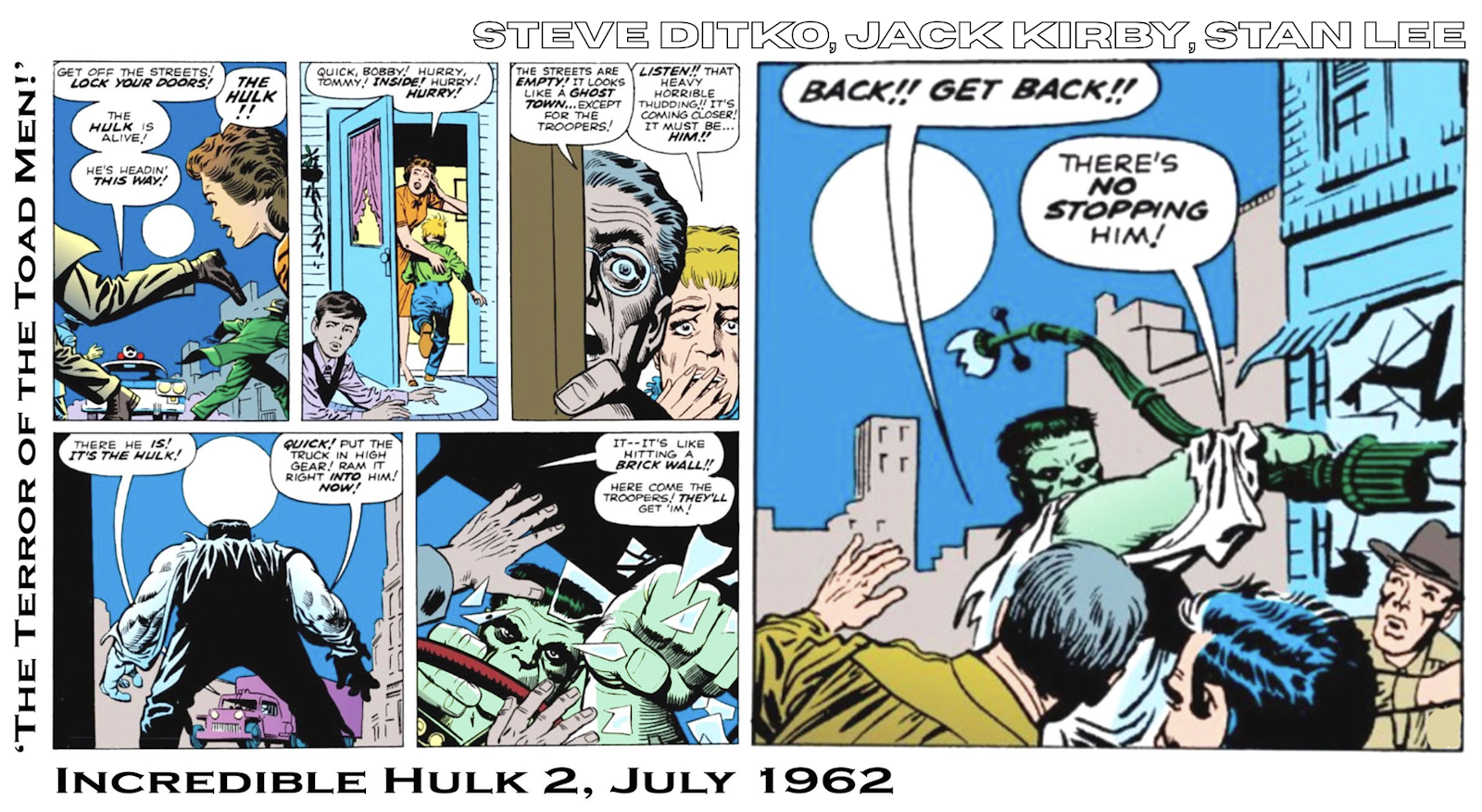
In the beginning, the Hulk was menacing with a capital M.
And the artistic team of Jack Kirby and Steve Ditko was perfectly suited to throw that particular Klieg light on this lurking monster — Kirby for raw power, Ditko for anguished emotion.
“Ditko only inked Kirby two or three times when deadlines were tight — why have him ink when he could be penciling? — but the results were a great combination of Kirby dynamics and Ditko mood,” wrote “Hermes” on line. “This Hulk seems genuinely menacing.”
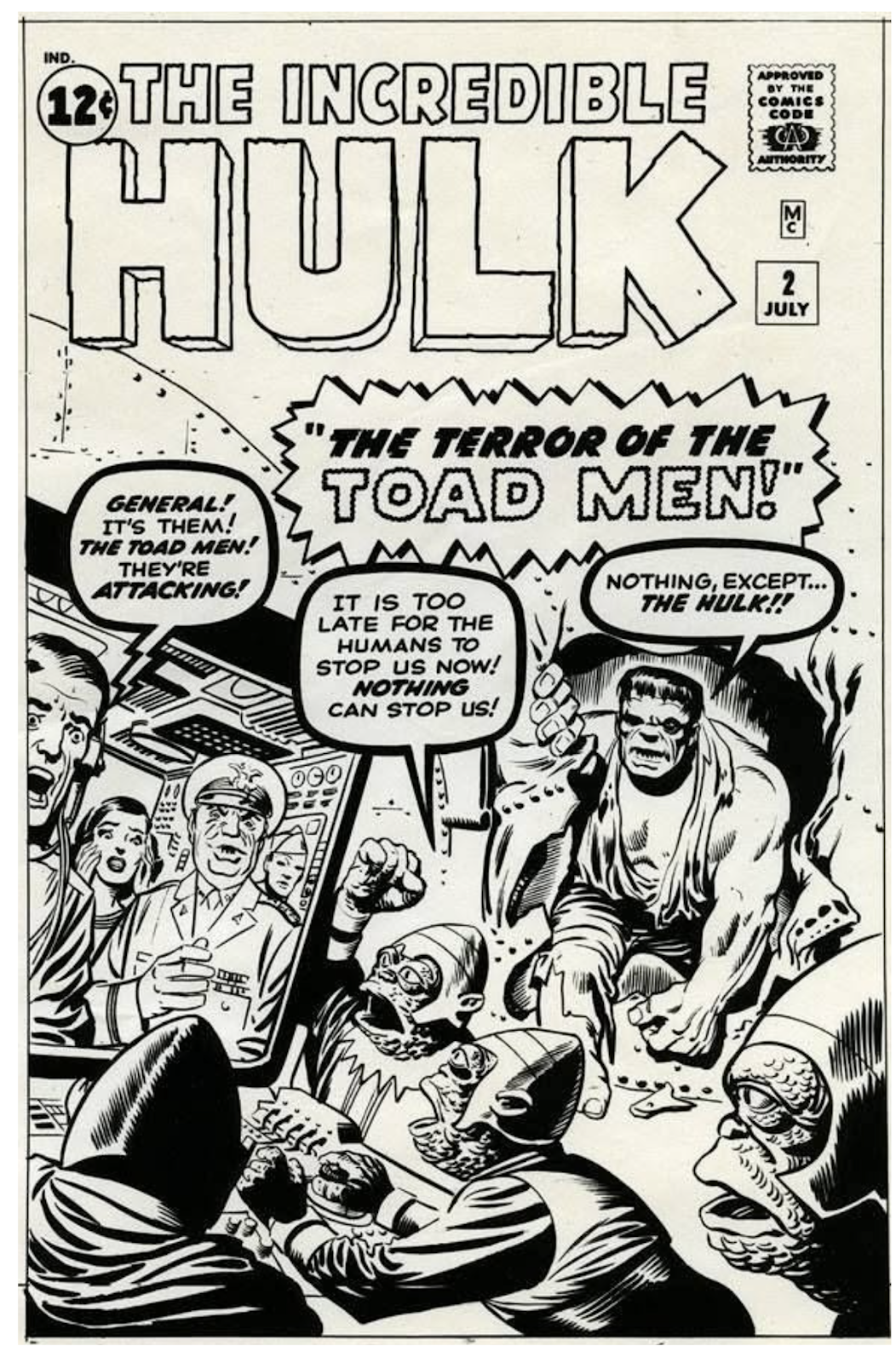
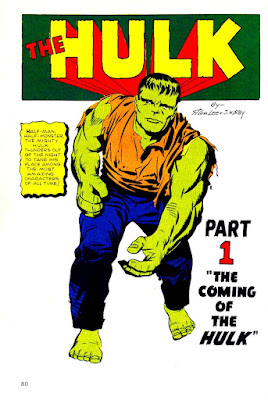 The Universal monster movies of the 1930s and 1940s were popular on late-night local TV at the time, and many of us nagged indulgent parents or grandparents to stay up with us so we could see them. So the Marvel team knew what notes they should play here, in the Hulk’s second appearance (July 1962).
“He was essentially a werewolf version of the Frankenstein Monster,” Hermes wrote. “Every night, Bruce Banner changed against his will into the Hulk. Jack Kirby drew the brute very much in the Karloff image; in the first issue, the Hulk even kept Banner’s ripped suit jacket, a nice touch.”
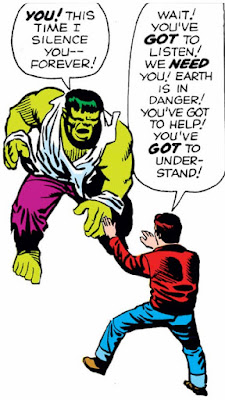 “Adding to the terror that the Hulk inspired was that no one knew anything about him. He just appeared out of nowhere to cause destruction, and the fact he only came out at night made him seem scarier. I’ve wondered how the character would be remembered if he had stayed this way for a few issues before his title folded and then only made a few sporadic appearances to fight Marvel’s heroes.”
In this second issue, we still weren’t clear on what kind of a comic book character the Hulk was going to be. The monster’s battle with the Toad Men was inadvertent and largely ineffectual, since he couldn’t possibly repel an invading space army.
He did, however, consider seizing one of the alien “flying dreadnoughts” so he could rain terror on humanity (the Hulk was originally a schemer, not merely a brute).
Ultimately, “puny Banner” hurled the armada back into space. A case could always be made that the quieter, colder Bruce Banner was much the more dangerous of the two personas.
About Author
