 Certain people in popular culture inspire an unusual amount of passion.
Some people love them.
Some people hate them.
And some people seem to spend an extraordinary amount of time talking about them even while insisting they don’t like them.
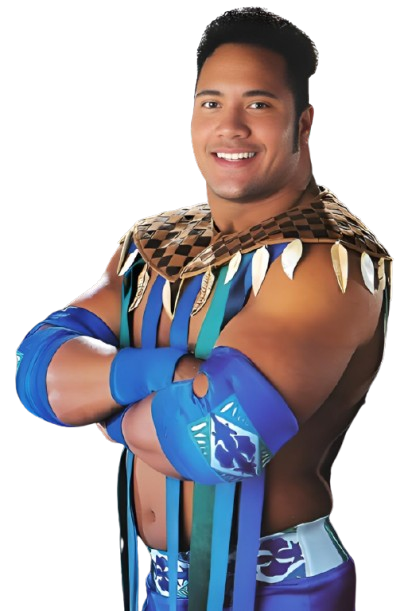
In professional wrestling, Dwayne “The Rock” Johnson is one of the greatest examples.
In comics, Rob Liefeld may be another.
The comparison is more appropriate than it might initially seem.
Both men became enormously successful at relatively young ages. Both developed instantly recognizable styles and personalities. Both attracted intensely loyal fans. Both became lightning rods for criticism. And both discovered that being talked about, even by people who claim to dislike you, can be enormously valuable.
But there’s an important difference.
The Rock’s wrestling career eventually embraced the idea of the heel, the character the audience loves to hate.
 Rob Liefeld never really needed to.
His critics did the work for him.
And while people can debate his artistic style forever, there is one thing that should be considerably less controversial:
Rob Liefeld has been one of the most commercially successful and influential comic-book creators of his generation.
The numbers tell the story.
Rise of The New Mutants
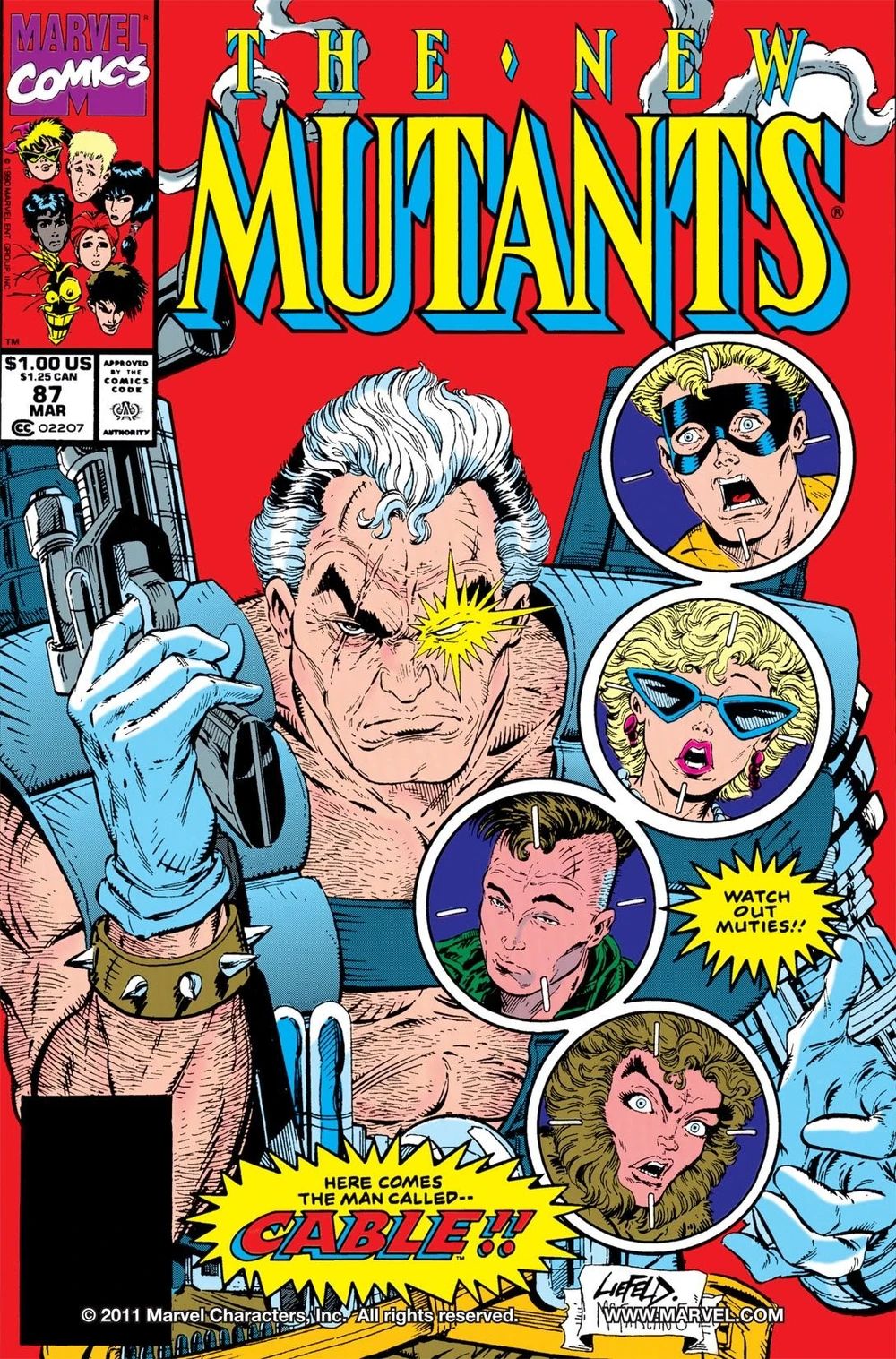 To understand Liefeld’s success, you really have to go back to New Mutants.
When Liefeld began taking a major creative role on the title, it was hardly the commercial juggernaut it would soon become.
Then things changed.
Liefeld brought a new energy to the book, introducing or developing characters and concepts that would become extraordinarily important to Marvel’s future.
Cable.
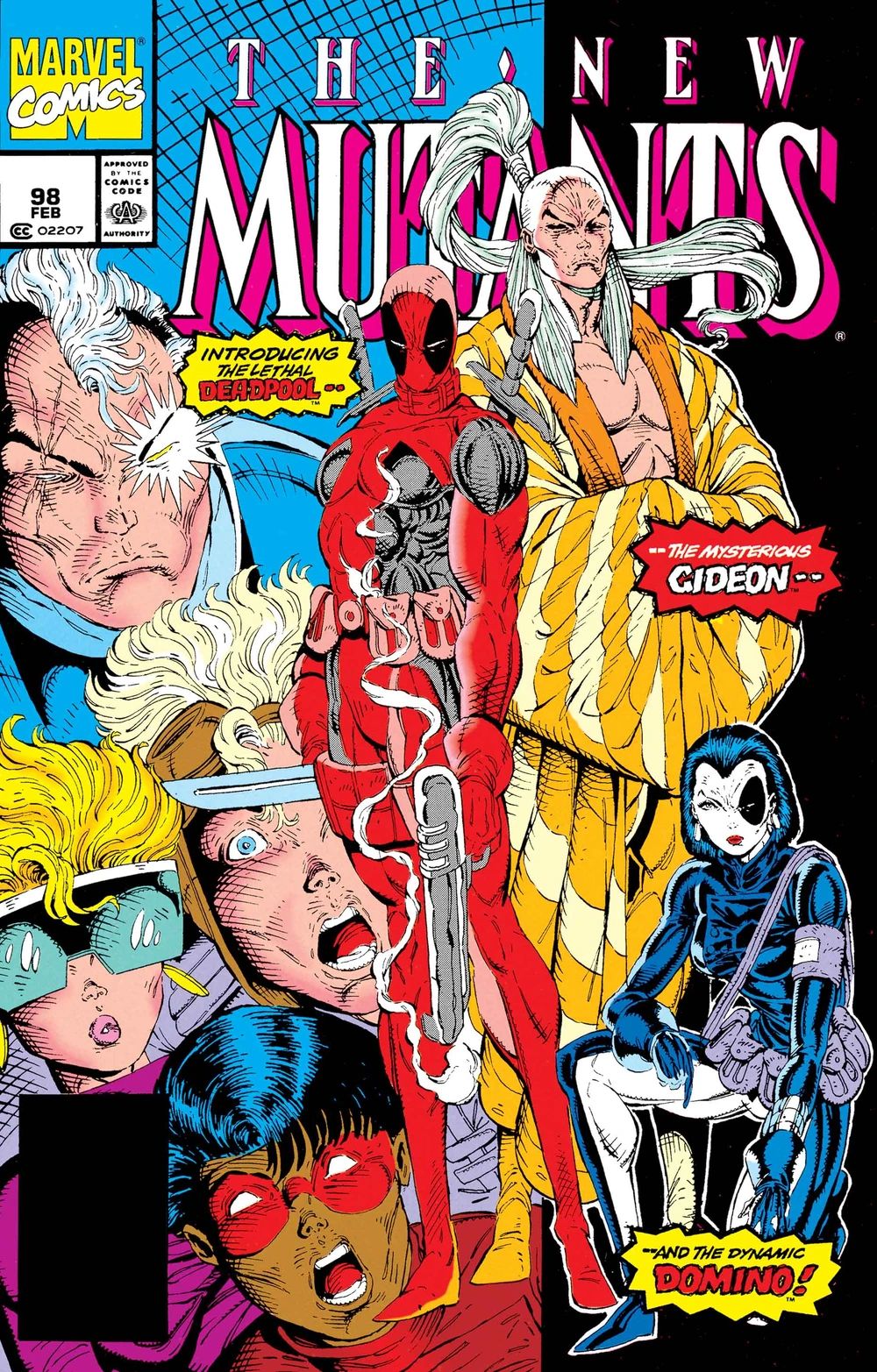
Deadpool.
Domino.
Shatterstar.
Feral.
Stryfe.
And eventually X-Force.
New Mutants #98 sold approximately 650,000 copies, followed by approximately 750,000 copies of #99. Then came New Mutants #100.
It sold approximately one million copies.
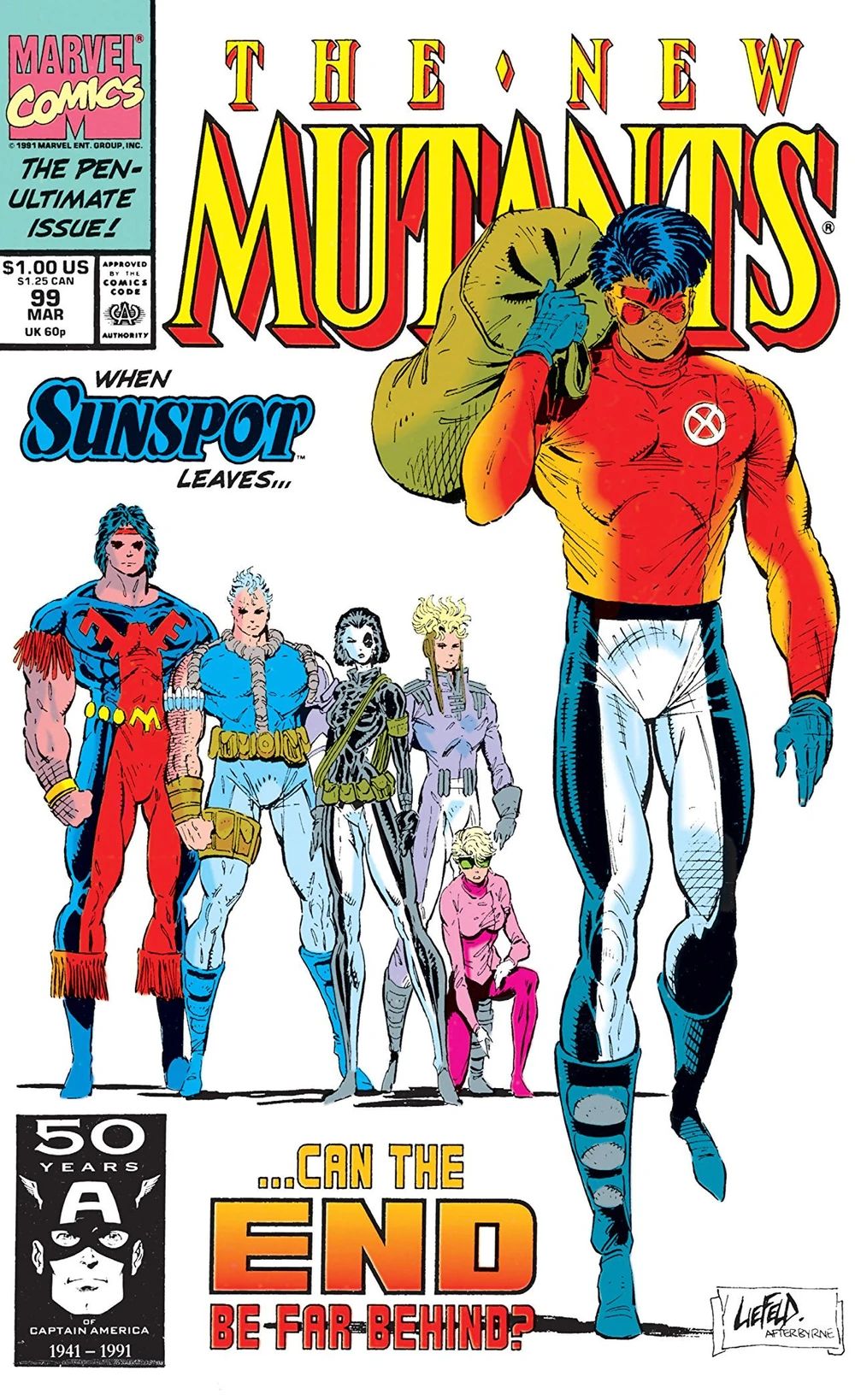
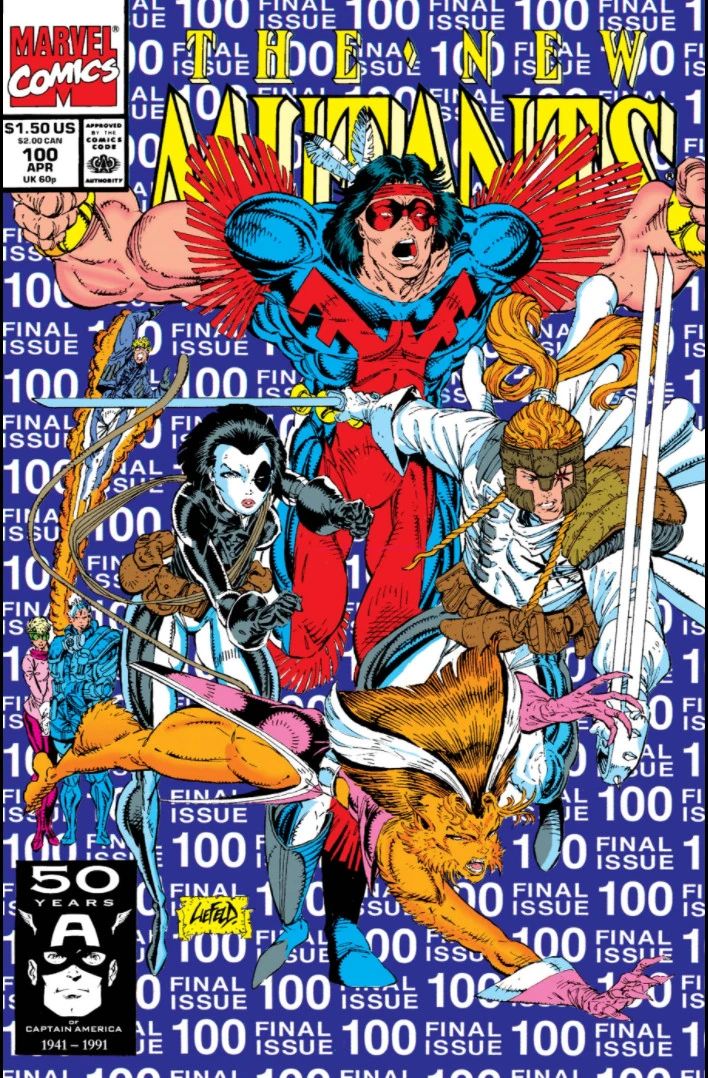
And that number deserves some context.
This wasn’t X-Men #1, which was famously released with multiple covers.
It wasn’t a modern comic with dozens of retailer-exclusive variants.
It wasn’t a book where collectors had to buy five different covers to complete an image.
New Mutants #100 succeeded because readers wanted the comic itself. It went through four printings and ultimately reached the million-copy mark.
That’s remarkable.
The final issue of a series that was about to become something completely different was selling one million copies.
And that is one of the reasons Liefeld considers New Mutants #98–100 among the proudest accomplishments of his career.
He wasn’t merely drawing a popular character.
He was building an audience.
The New Mutants #100 Experiment
There is something particularly impressive about the New Mutants #100 story.
Readers weren’t simply responding to gimmicks. They were responding to the characters and the direction of the book.
Let’s look at that sales progression again, is striking!
New Mutants #98 — approximately 650,000
New Mutants #99 — approximately 750,000
New Mutants #100 — approximately 1,000,000
That is an extraordinary increase in readership over only three issues.
And New Mutants #100 wasn’t the end of Liefeld’s momentum.
It was the beginning of something even bigger.
X-Force #1: Five Million Copies
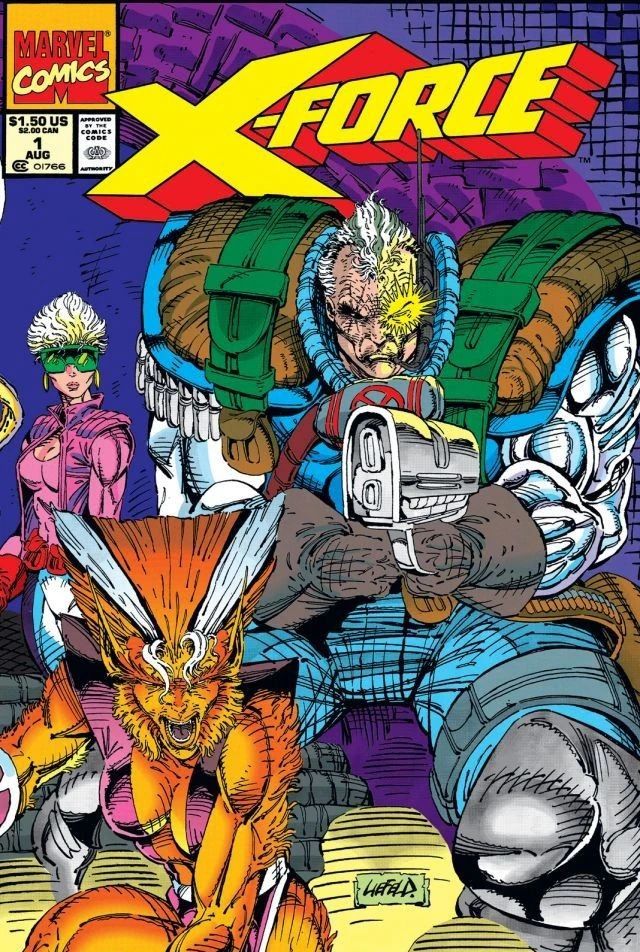 It remains one of the largest-selling comic books in American comics history. The second-highest-selling comic of all time by total copies, behind X-Men #1.
Again, there is an important historical distinction.
The early 1990s were the height of the comic-book speculation boom, and the five-million figure reflects copies ordered into the market rather than five million individual readers. But that qualification doesn’t make five million copies any less extraordinary as a measure of the demand surrounding the book.
And there is another fascinating detail.
X-Force #1 had one cover.
It did have a promotional trading-card incentive; copies were polybagged with one of five Liefeld-drawn trading cards, but unlike later comic launches that could have dozens of different covers, the comic itself had a single primary cover design.
That distinction matters when comparing the book with later mega-selling #1 issues.
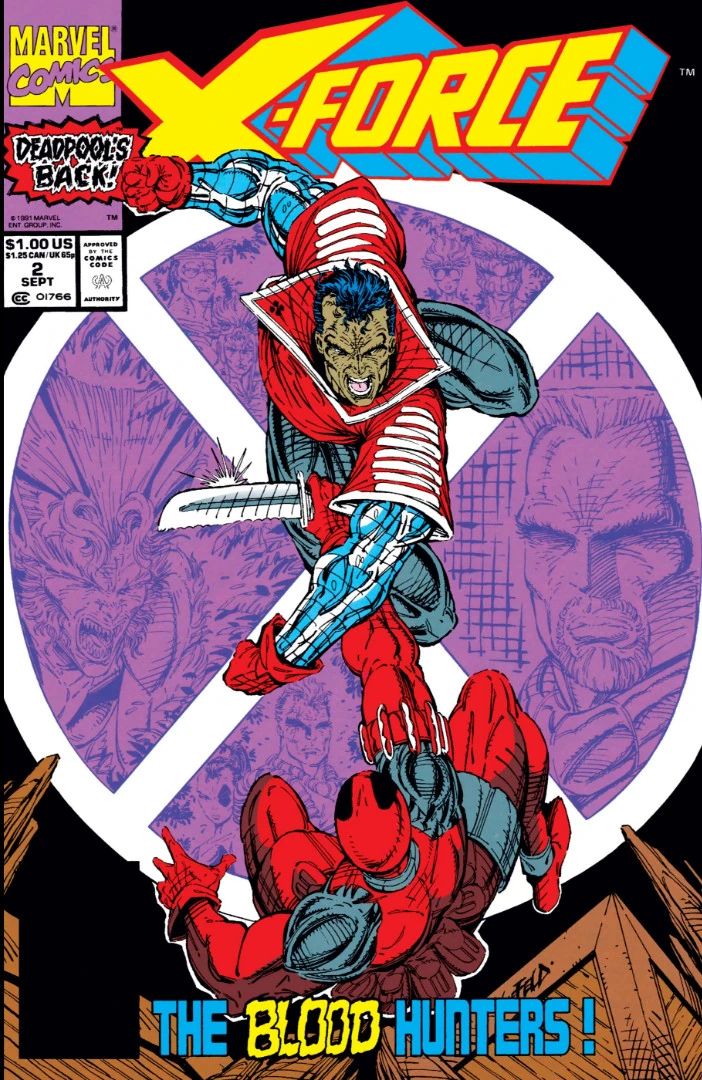 The demand for X-Force was enormous.
And the demand didn’t disappear immediately.
X-Force #2 reportedly sold approximately 1.5 million copies. Why?
Because readers wanted more Deadpool.
The character had become an immediate breakout.
Deadpool Wasn’t a Lucky Accident
Today, everybody knows Deadpool.
He’s one of Marvel’s most recognizable characters.
Ryan Reynolds has played him in three blockbuster movies.
But in 1991, Deadpool was a brand-new character appearing in New Mutants #98.
Liefeld created the character.
That’s an important accomplishment all by itself.
But the truly remarkable part is what happened afterward.
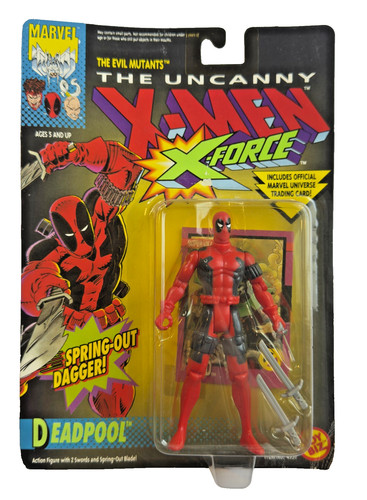 Deadpool became:
- A major Marvel character
- A star of multiple comic-book series
- A merchandising powerhouse
- A video-game character
- An animated character
- One of Marvel’s biggest movie stars
And then came the movies.
Nearly $3 Billion for Deadpool
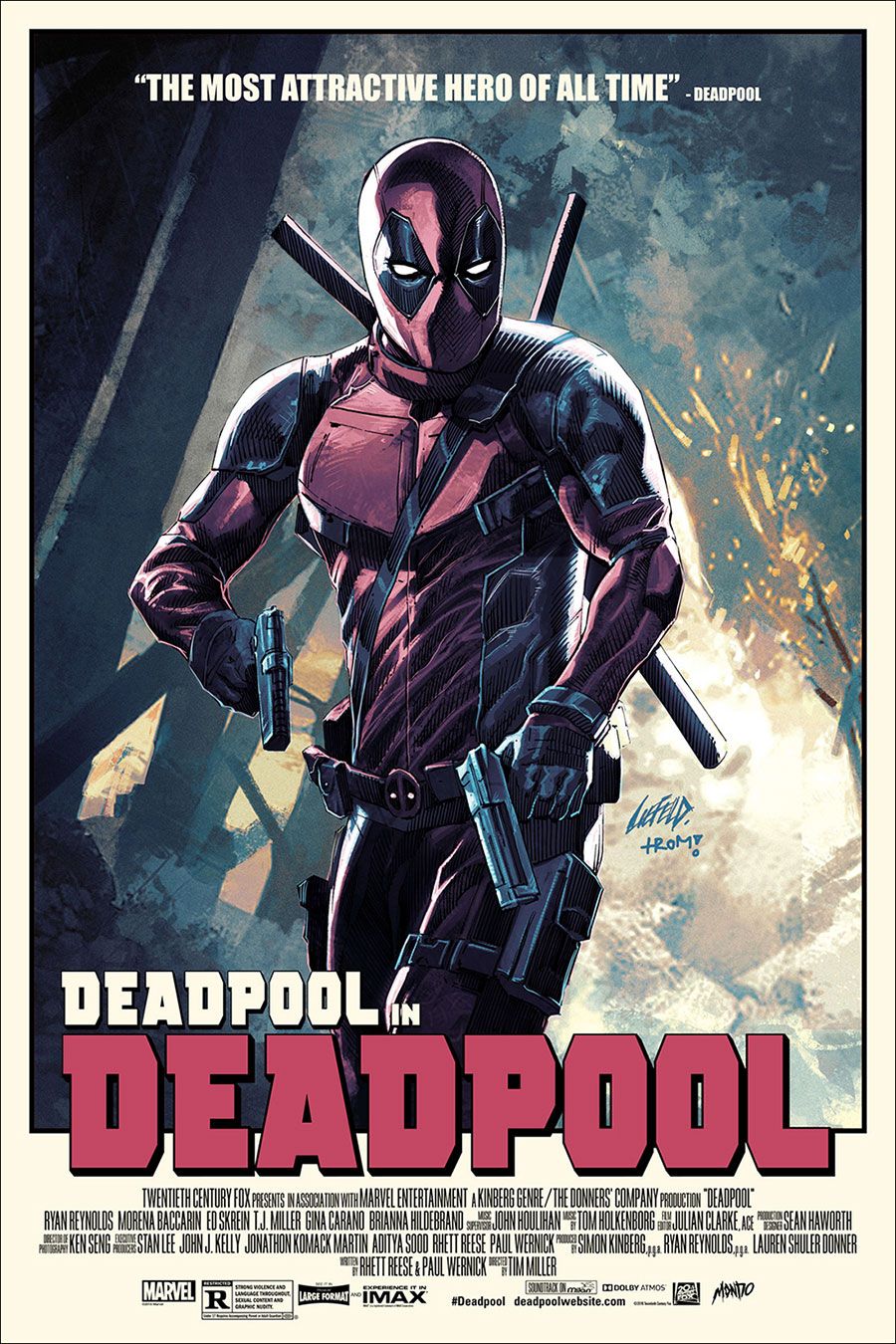
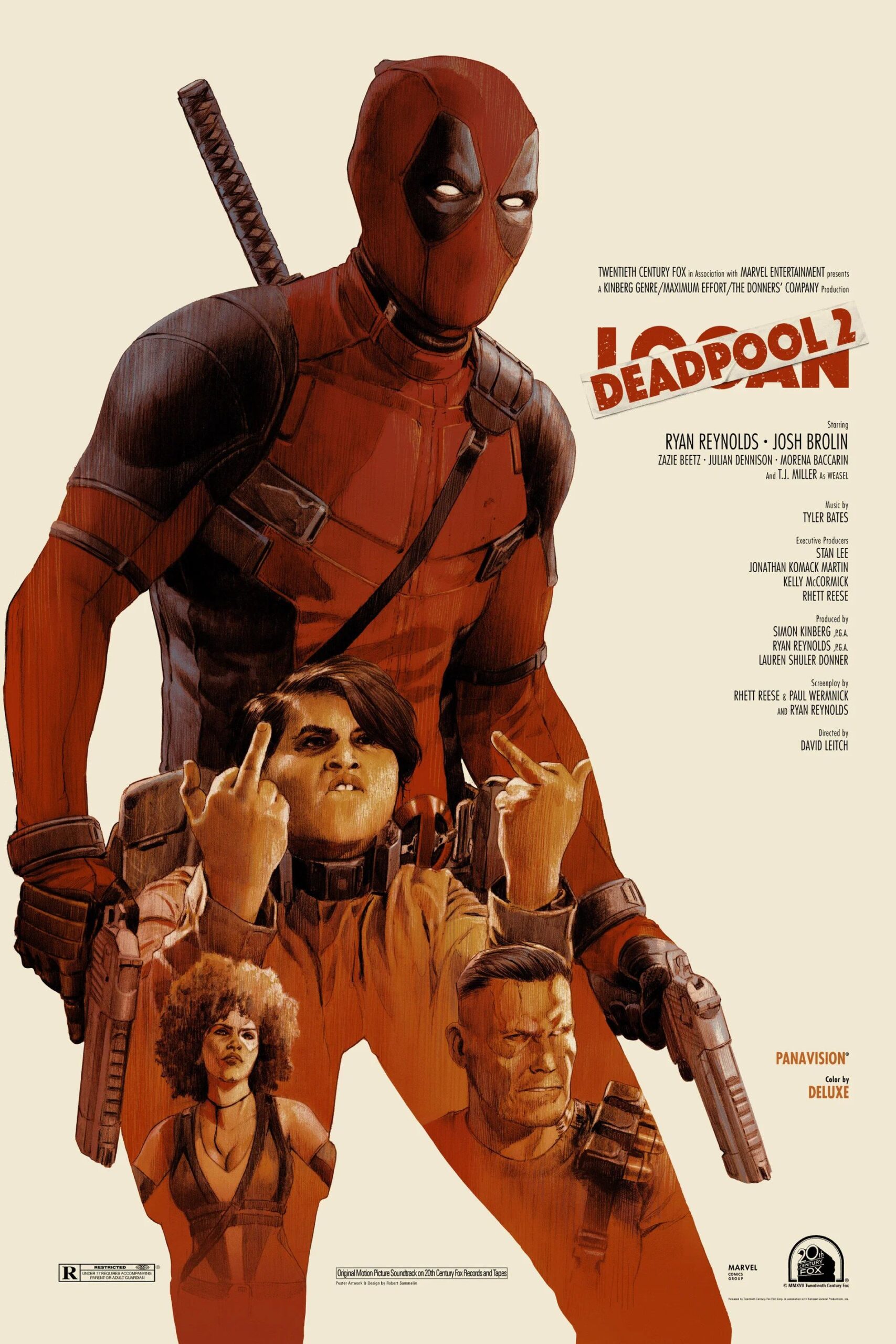
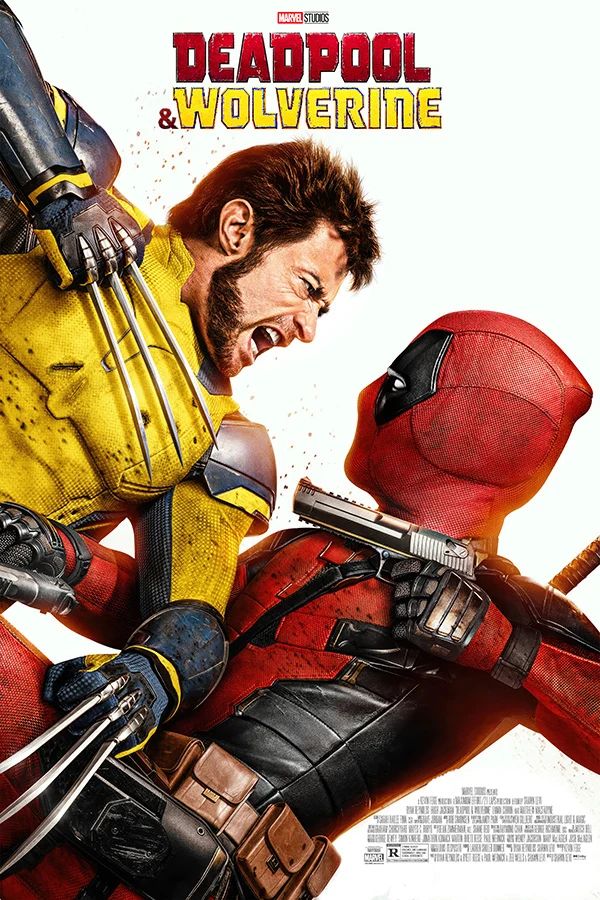
The three Deadpool theatrical movies have generated approximately $2.9 billion worldwide.
Deadpool — approximately $782 million
Deadpool 2 — approximately $786 million
Deadpool & Wolverine — approximately $1.34 billion
Combined, that’s roughly $2.9 billion in worldwide box office.
The third movie was especially extraordinary.
Deadpool & Wolverine became a billion-dollar global blockbuster and demonstrated that the character wasn’t simply a one-movie phenomenon.
And there is something else worth remembering:
Rob Liefeld created Deadpool before there was a Deadpool movie.
He created him when the character was simply a drawing and an idea in a comic book.
That’s what creators do.
They create something that other people can build upon.
Cable Became a Star, Too
And Deadpool isn’t the only major character Liefeld created.
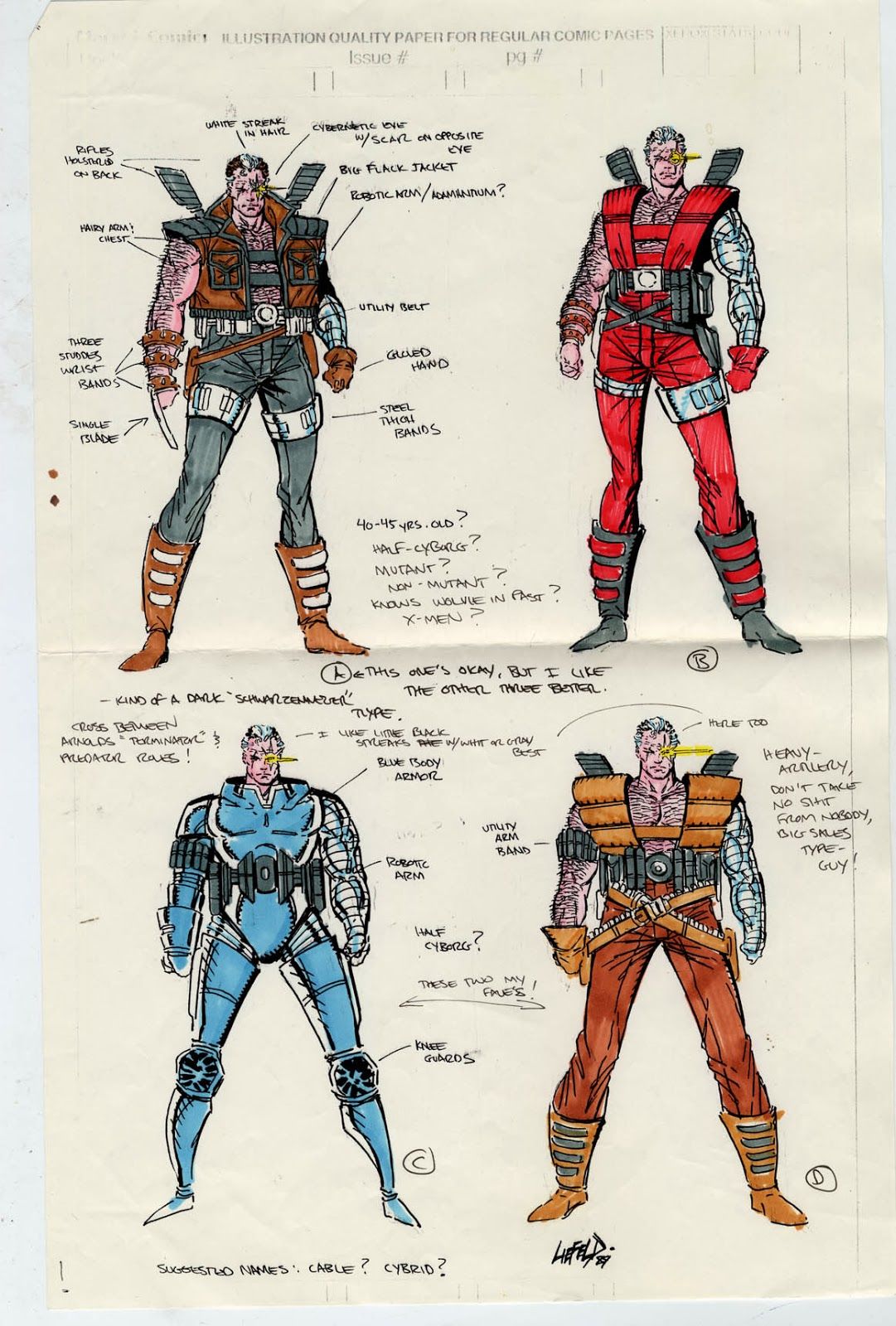 There’s Cable.
When Liefeld introduced Cable into the New Mutants mythology, he was a mysterious, heavily armed, cybernetic-looking mutant from the future.
The character was radically different from the traditional X-Men archetype.
And readers responded.
Cable became one of Marvel’s most recognizable X-Men characters.
He eventually received numerous solo series and became a major part of the X-Force franchise.
Then, decades after his creation, Cable appeared in a major Hollywood movie.
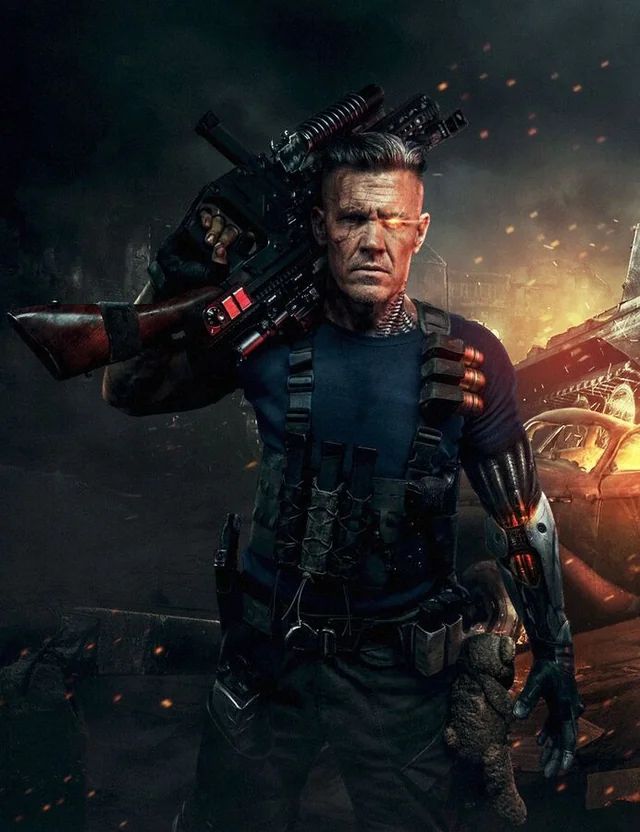 Josh Brolin played him in Deadpool 2.
So consider the extraordinary chain of events:
A young comic-book artist creates Cable.
The character becomes a Marvel favorite.
The character becomes a major member of X-Force.
Decades later, Cable appears in a major Hollywood blockbuster alongside another character Liefeld helped create.
That’s legacy.
And Then There Was Domino
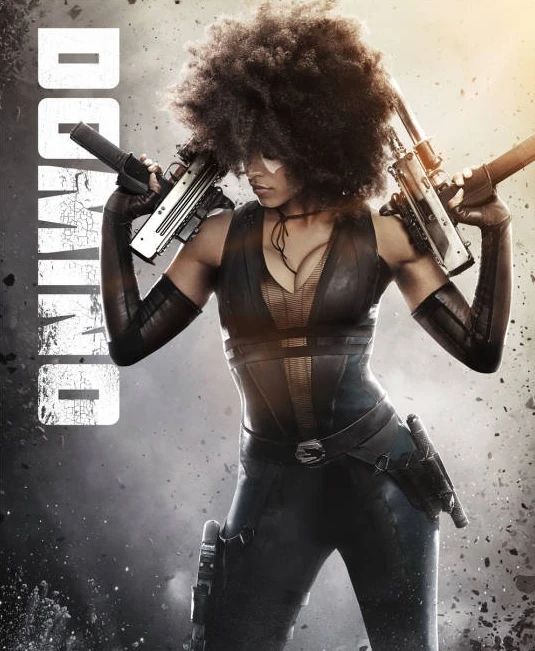 Domino is another character who became part of Marvel’s long-term universe.
Liefeld introduced her during his New Mutants period, and she became an important member of X-Force and the broader mutant mythology.
Zazie Beetz eventually played Domino in Deadpool 2.
Again, the pattern continues.
These aren’t characters that appeared for one issue and disappeared.
They’re characters that Marvel continued to use for decades.
The Image Revolution
 Then Liefeld did something that may ultimately be even more important than any individual character.
He left Marvel.
And he helped found Image Comics.
Liefeld and his friends Todd McFarlane, Jim Lee, Marc Silvestri, Erik Larsen, Jim Valentino, and Whilce Portacio are the original Image founders.
The concept was revolutionary:
Creators would own their creations.
Instead of working exclusively on characters owned by a giant corporation, creators could create their own characters and retain ownership.
Liefeld’s contribution to that revolution was Youngblood.
Youngblood #1 Sold More Than One Million Copies
Youngblood #1 became the flagship publication of Liefeld’s Extreme Studios and one of the defining launches of the Image era.
The comic sold more than one million copies. Image Comics itself describes the original Youngblood #1 as the flagship publication when Image was founded and one of the bestselling independent comics of all time.
Think about that achievement.
A brand-new independent comic.
A creator-owned comic.
No Spider-Man.
No Batman.
No Superman.
No X-Men.
No pre-existing 50-year-old franchise.
Youngblood.
And it sold more than a million copies.
That was a seismic moment in the comic-book business.
Liefeld Didn’t Just Create One Hit
This is another part of the Liefeld story that sometimes gets overlooked.
He wasn’t a one-character creator.
His Extreme Studios line produced a large stable of characters and series, including:
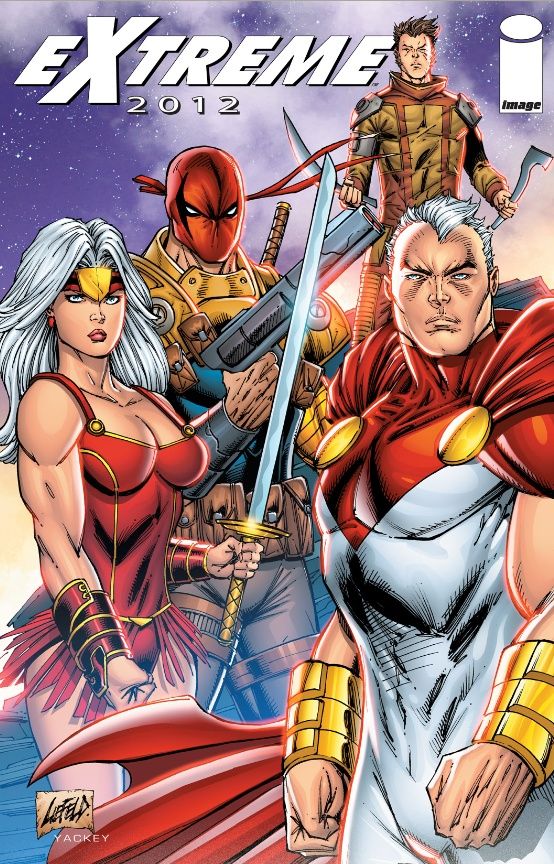 Youngblood
Prophet
Glory
Supreme
Bloodstrike
Brigade
Avengelyne
And others.
Some became bigger than others.
That’s normal.
But Liefeld demonstrated that he could build an entire publishing line around his own creations.
That was something few artists had ever accomplished.
Heroes Reborn Changed the Avengers
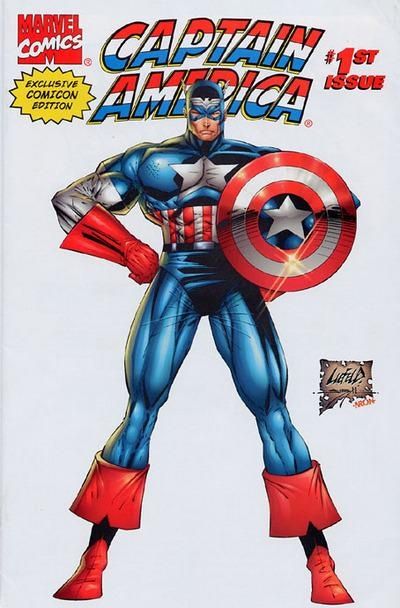 Then Marvel came calling again.
In 1996, Marvel launched Heroes Reborn, handing several of its most important franchises to some of the creators who had helped redefine superhero comics earlier in the decade.
Liefeld was assigned to Avengers and Captain America.
And something extraordinary happened.
Rob Liefeld’s Avengers #1 became the best-selling issue in the history of the Avengers title.
That’s not simply a claim made by Liefeld.
Marvel executive Tom Brevoort, who has been with Marvel since 1989 and has extensive knowledge of the company’s historical sales, confirmed it.
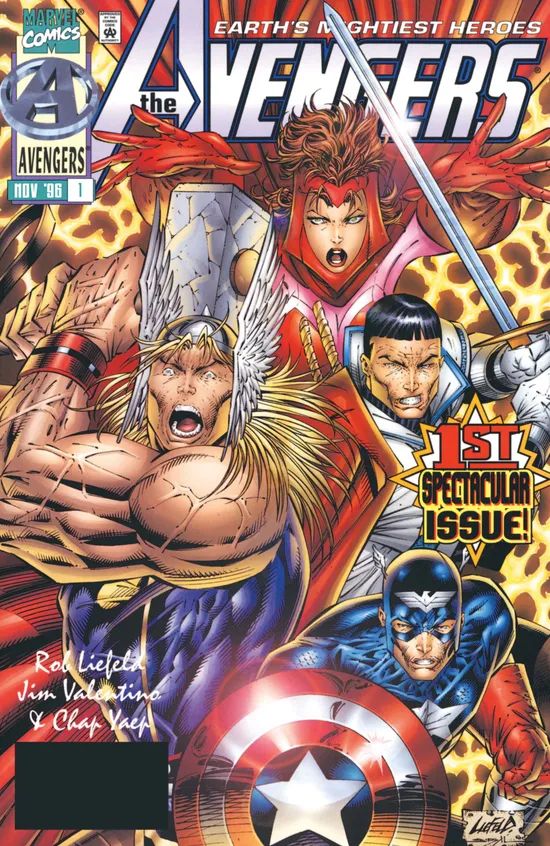 As reported by Popverse, Brevoort stated that Liefeld’s Avengers #1 was “the single best-selling issue in the title’s history.”
That is an astonishing statistic.
Think about all the legendary creators who have worked on Avengers.
Stan Lee.
Jack Kirby.
John Buscema.
George Pérez.
Roger Stern.
John Byrne.
Brian Michael Bendis.
Jonathan Hickman.
And countless others.
Yet the record for the best-selling issue of the title belongs to the 1996 Heroes Reborn Avengers #1 drawn by Rob Liefeld.
That’s history.
The Sales Jump Was Extraordinary
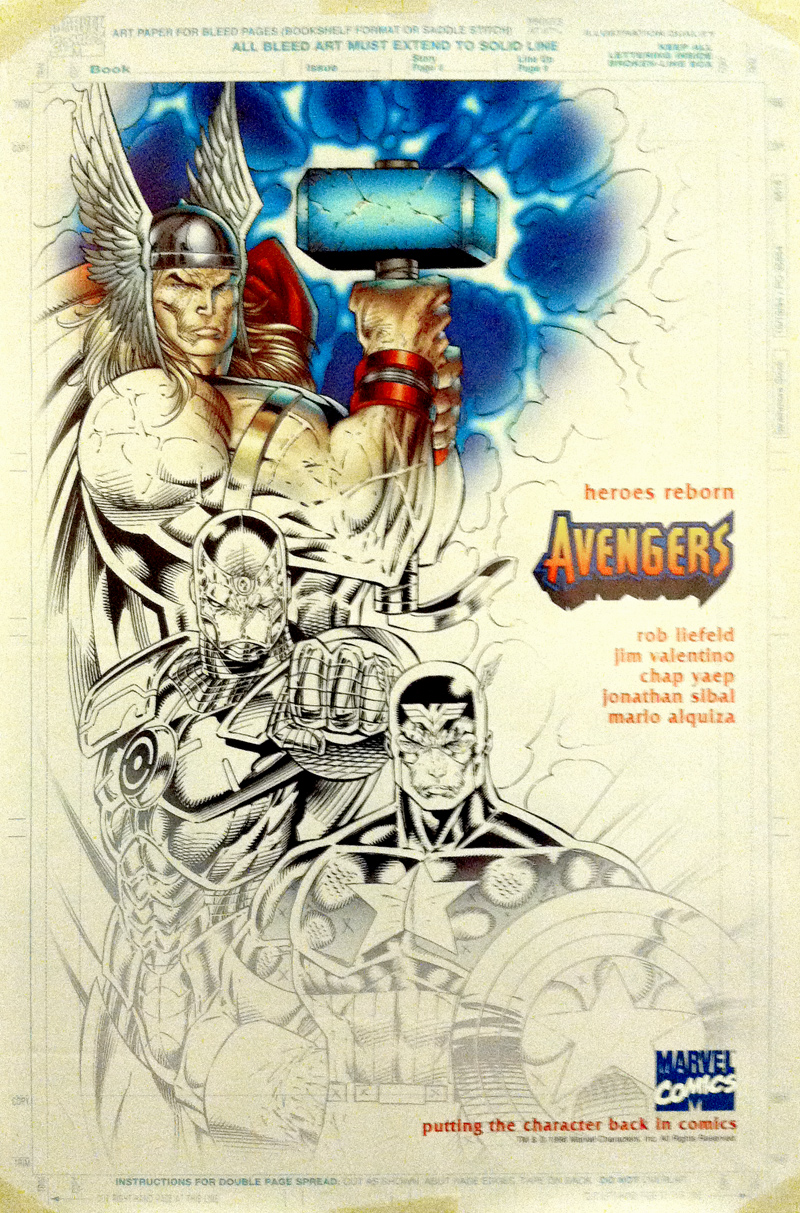 The Avengers had been struggling commercially in the mid-1990s.
Then Heroes Reborn arrived.
Comichron’s historical analysis shows that the first Heroes Reborn Avengers #1 generated at least 276,734 preorders through Heroes World alone, before adding newsstand, subscription, and other sales that pushed the total into the 300,000-plus range.
More importantly, the effect wasn’t simply confined to the first issue.
The relaunch dramatically increased Avengers sales and helped restore the title to a much stronger commercial position.
That’s exactly what Marvel wanted.
The company needed its major characters to become commercially relevant again.
Liefeld delivered.
The Captain America Connection
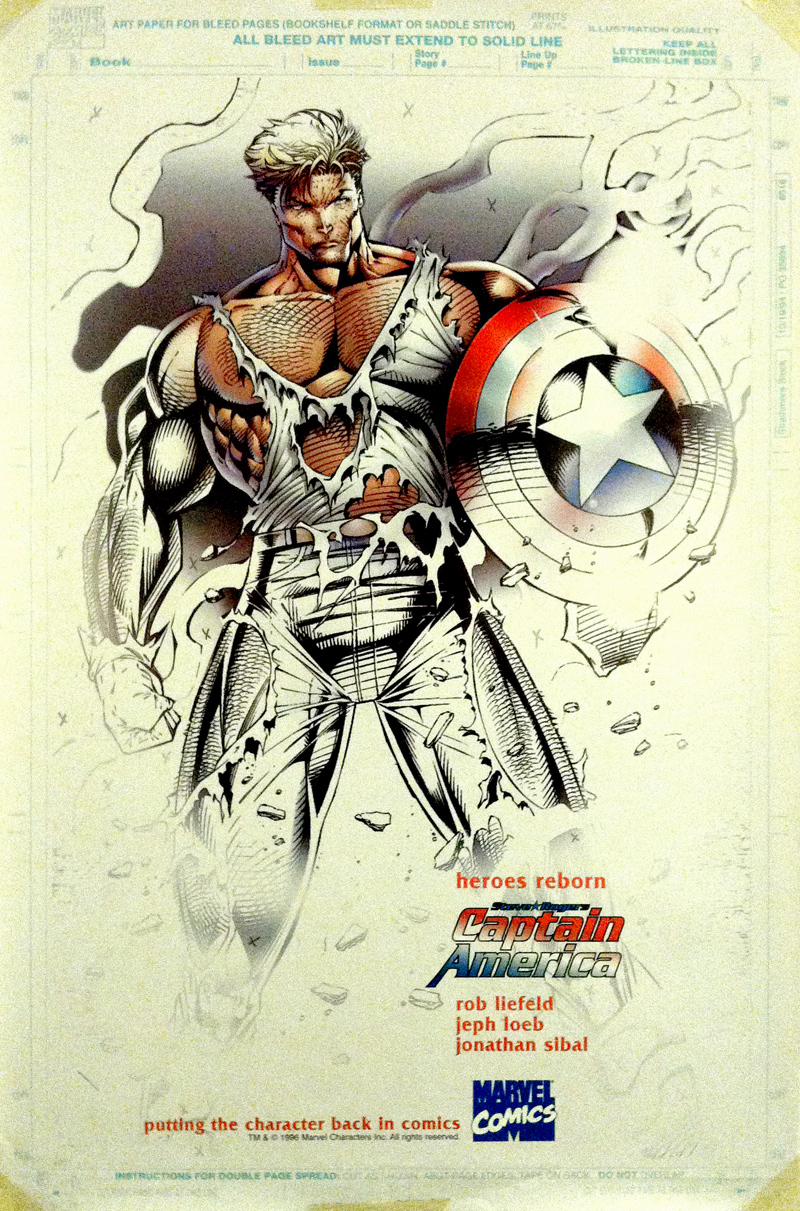 Liefeld also worked on Captain America as part of Heroes Reborn.
And while the project has been debated by fans for decades, there’s no denying the commercial importance of the relaunch.
Marvel was willing to put one of its most iconic characters in the hands of one of the industry’s hottest creators.
That says something about how much confidence Marvel had in Liefeld’s ability to attract readers.
And it worked.
Heroes Reborn became one of the biggest commercial experiments of the 1990s.
The Rock Comparison Gets Even Better
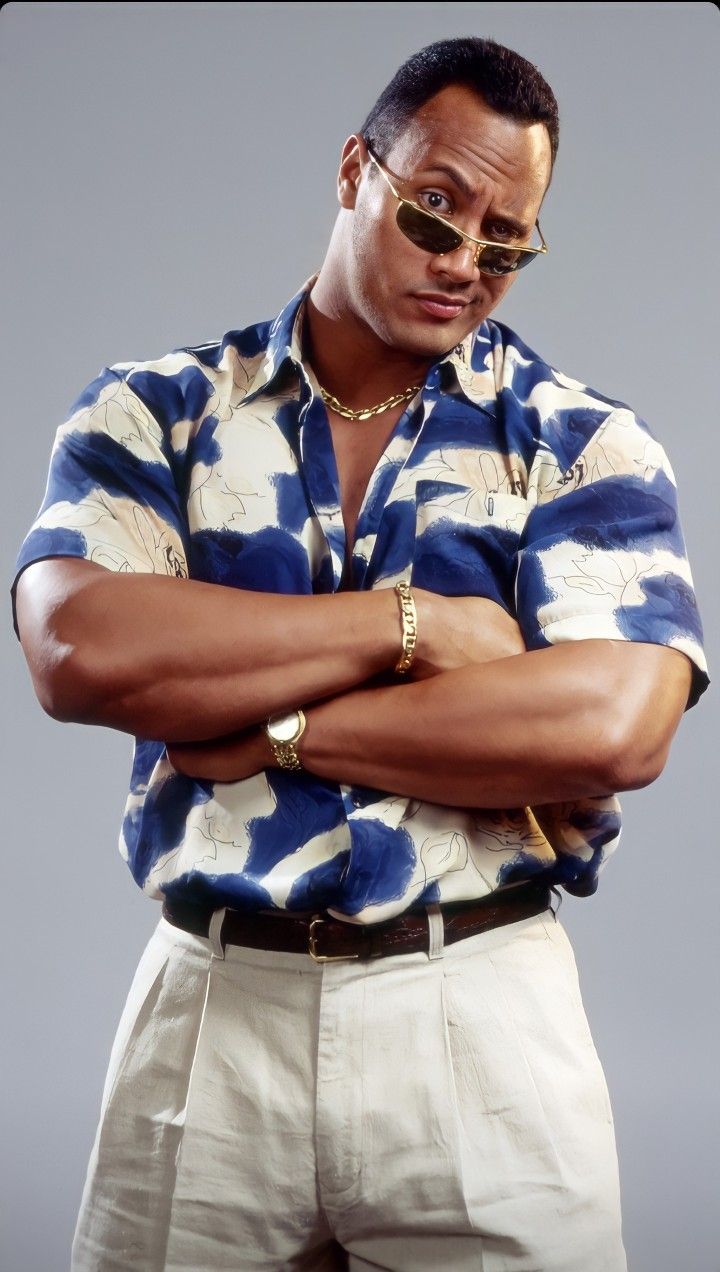 Now return to The Rock.
When Rocky Maivia was rejected by wrestling audiences, the WWF didn’t quietly drop him.
They transformed him.
The audience reaction became part of the entertainment.
And The Rock went on to become one of the most successful wrestlers and movie stars in the world.
Rob Liefeld’s story has a similar element.
Some people genuinely don’t like his artistic style.
That’s perfectly fine.
Art is subjective.
But something is fascinating about the amount of energy some people have spent telling everybody else that they don’t like Rob Liefeld.
At what point does criticism become fascination?
If you don’t like a Rob Liefeld comic, you don’t have to buy it.
If you don’t like his art, you don’t have to look at it.
If Youngblood isn’t your thing, there are literally thousands of other comics available.
But if you spend decades talking about Rob Liefeld, you’re still giving him something.
Attention.
And attention is incredibly valuable.
The “Die Rocky Die” Phenomenon
 This is where the old wrestling chant becomes a perfect analogy.
“Die, Rocky, Die!”
The fans were telling Rocky Maivia that they hated him.
But they were also making him a bigger star.
They were participating in his story.
Eventually, Rocky Maivia became The Rock.
And the audience reaction that was once a problem became one of the foundations of his character.
Rob Liefeld never needed to make that transition.
He simply kept working.
He kept creating.
He kept publishing.
He kept appearing at conventions.
He kept drawing his characters.
And he kept finding readers.
The Greatest Evidence Is What Happened to His Characters
Perhaps the best way to measure a comic-book creator isn’t by whether everybody likes his drawing style.
It’s by asking:
What happened to the characters?
Deadpool survived.
Cable survived.
Domino survived.
X-Force survived.
Youngblood survived.
Prophet survived.
Supreme survived.
Glory survived.
Bloodstrike survived.
Avengelyne survived.
Some have been revived multiple times.
Some have been adapted.
Some have appeared in movies.
Some have been reimagined by completely different creators.
That’s the ultimate compliment a character can receive.
Other creators want to play with it.
Deadpool Is the Ultimate Vindication
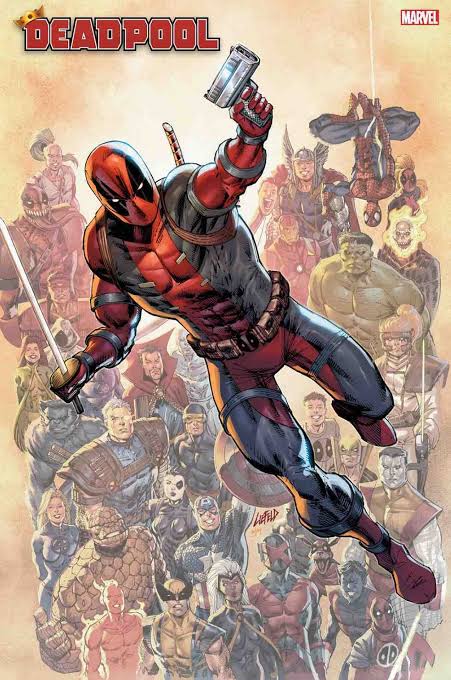 And then there is Deadpool.
In the early 1990s, Rob Liefeld drew a brand-new mercenary character wearing a red-and-black costume.
Three decades later, that character is one of the most successful R-rated movie characters in history.
That’s an extraordinary creative legacy.
Ryan Reynolds deserves enormous credit for his portrayal.
So do the writers, directors, producers, and thousands of people who made the films.
But none of that changes the origin.
There is no Deadpool movie without Deadpool.
And there is no Deadpool without Rob Liefeld.
Success Doesn’t Require Universal Approval
 Here’s perhaps the most important point.
Rob Liefeld doesn’t need everybody to like his work.
The Beatles had critics.
Elvis had critics.
The Rock has critics.
Stan Lee had critics.
Jack Kirby had critics.
Every successful creator does.
The question isn’t whether everybody approves.
The question is whether the work connects with an audience.
Liefeld’s work connected with an enormous audience.
Millions of copies were sold.
Characters survived for decades.
A creator-owned publishing company was launched.
Marvel brought him back for its biggest characters.
Avengers #1 became the best-selling issue in that franchise’s history.
Deadpool became a multibillion-dollar movie franchise.
Cable became a major Marvel character and movie character.
And Youngblood continues to exist more than three decades after its debut.
That’s not an accident.
So Why Does Rob Liefeld Still Get So Much Hate?
 Maybe it’s because he became a symbol.
To some readers, Rob Liefeld represents everything they loved about 1990s comics.
To others, he represents everything they disliked about 1990s comics.
But that’s actually evidence of how important he became.
Nobody builds a cultural identity around someone irrelevant.
Liefeld was relevant.
Very relevant.
And he remains relevant.
Give Rob Liefeld His Due
You don’t have to believe Rob Liefeld is the greatest artist who ever lived.
You don’t have to like every comic he’s ever produced.
You don’t have to like his style.
You don’t even have to buy a single Rob Liefeld comic.
But if we’re going to discuss the history of modern American comics honestly, we should acknowledge what he actually accomplished.
He helped turn New Mutants into one of Marvel’s hottest books.
He created Deadpool.
He created Cable.
He created X-Force.
He launched Image Comics.
He created Youngblood.
He produced million-selling independent comics.
He helped establish the idea that superstar creators could leave Marvel and build their own publishing empires.
He returned to Marvel and helped relaunch Avengers and Captain America.
His Avengers #1 became the best-selling issue in Avengers history.
And one of the characters he created became the centerpiece of a nearly $3 billion movie franchise.
That’s an extraordinary résumé.
Maybe the Joke Is on Everybody
The people who chanted “Die, Rocky, Die!” didn’t destroy The Rock.
They helped make him.
And the people who have spent decades telling everybody that Rob Liefeld can’t draw feet haven’t destroyed Rob Liefeld’s career, either.
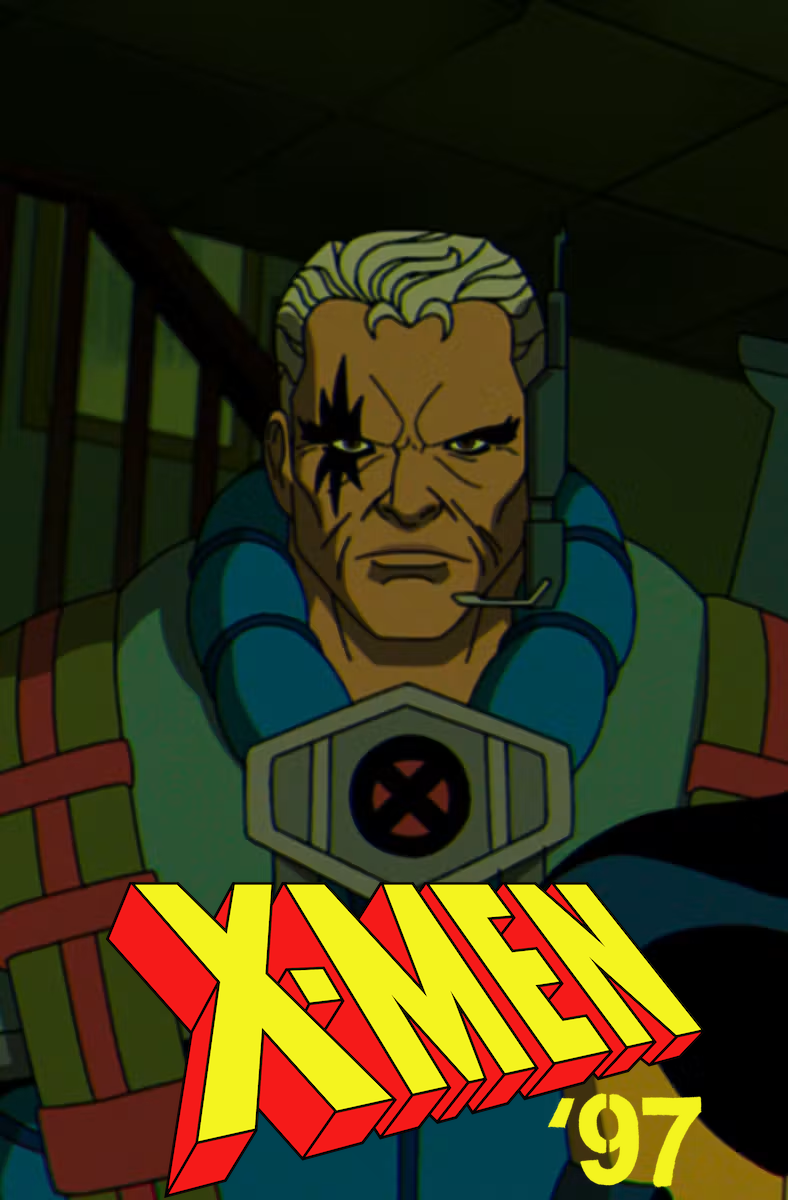 He’s still here.
His characters are still here.
His books are still being published.
His art is still being collected.
His characters are still being adapted.
And people are still talking about him.
Maybe that’s the ultimate Rob Liefeld achievement.
He created characters that will survive him, built a career that survived the critics, helped change the comic-book industry, and became part of Hollywood history.
You don’t have to love Rob Liefeld.
But if we’re talking about comic-book history, we absolutely have to acknowledge him.
Because whether you were cheering for him, buying his books, criticizing him, or shouting “Die, Rob, Die!” from the sidelines…
you were watching.
And Rob Liefeld has been putting on the show for more than 35 years.
About Author
