
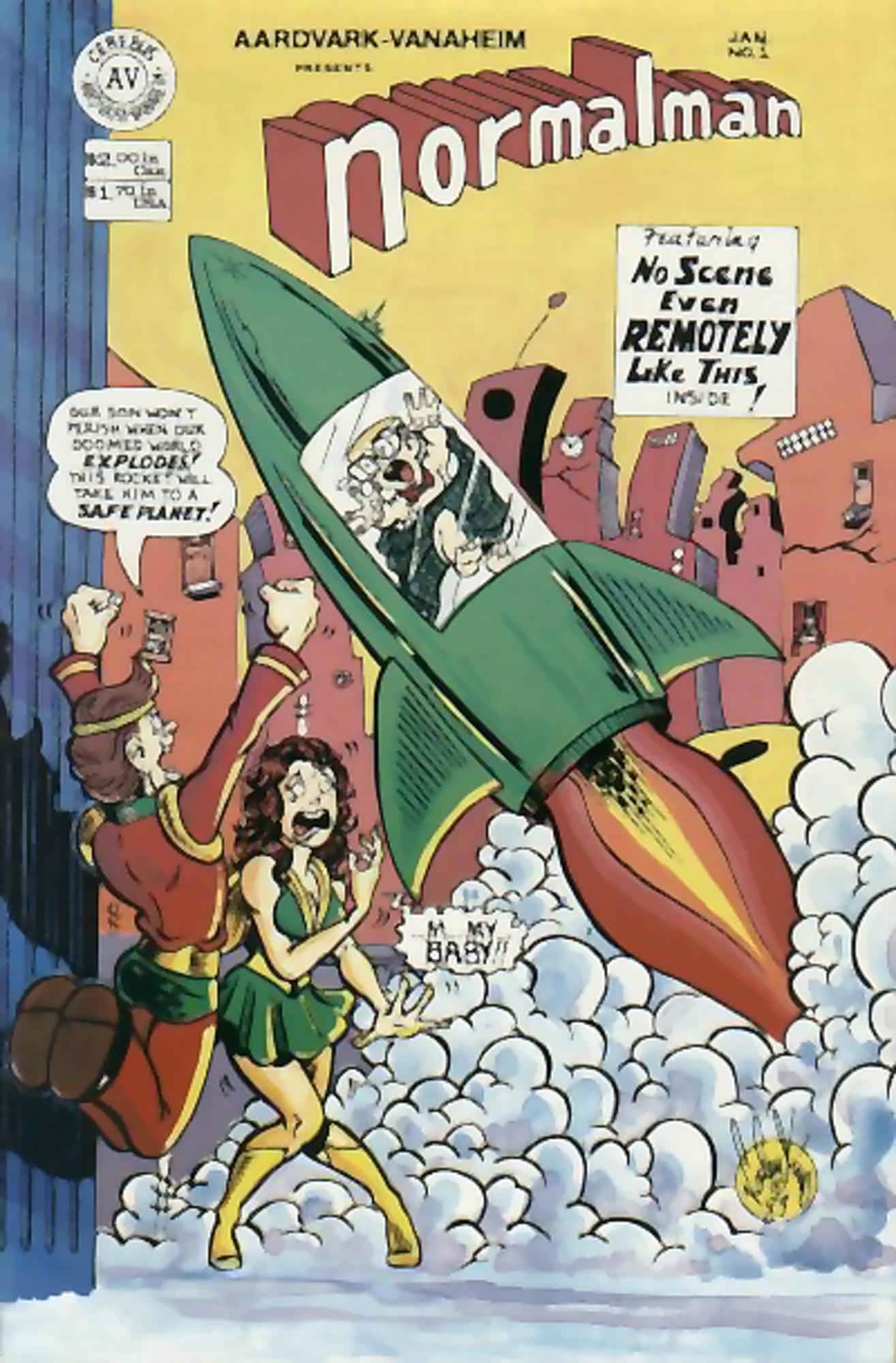
 When the independent comic book boom of the 1980s exploded with innovative creators and unconventional ideas, few books embraced satire with as much enthusiasm as Normalman. Created, written, and illustrated by Jim Valentino, the series lovingly skewered the superhero genre while establishing itself as one of the most memorable independent comics of the decade. Long before superhero deconstructions became commonplace, Normalman demonstrated that comics could poke fun at their own conventions without losing their affection for the medium.
The character first appeared in Megaton #3 in 1982 before earning his own title from Aardvark-Vanaheim, the publishing company founded by Dave Sim and Deni Loubert. At a time when independent publishers were challenging the dominance of Marvel and DC Comics, Normalman stood out by refusing to take superheroes seriously. Instead of offering another costumed champion battling world-threatening villains, Valentino created a hero who found himself surrounded by absurdity while remaining the only truly “normal” individual in existence.
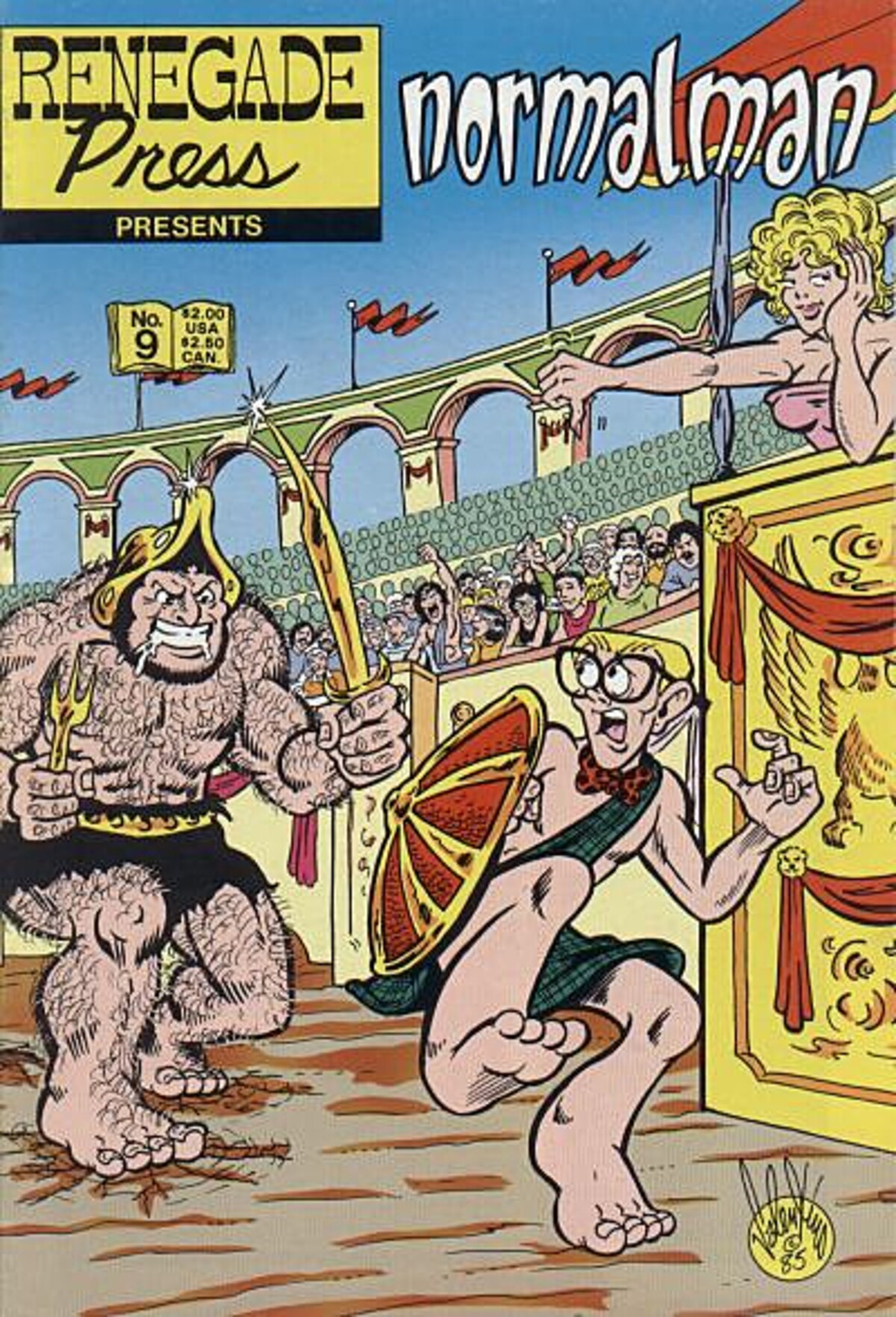
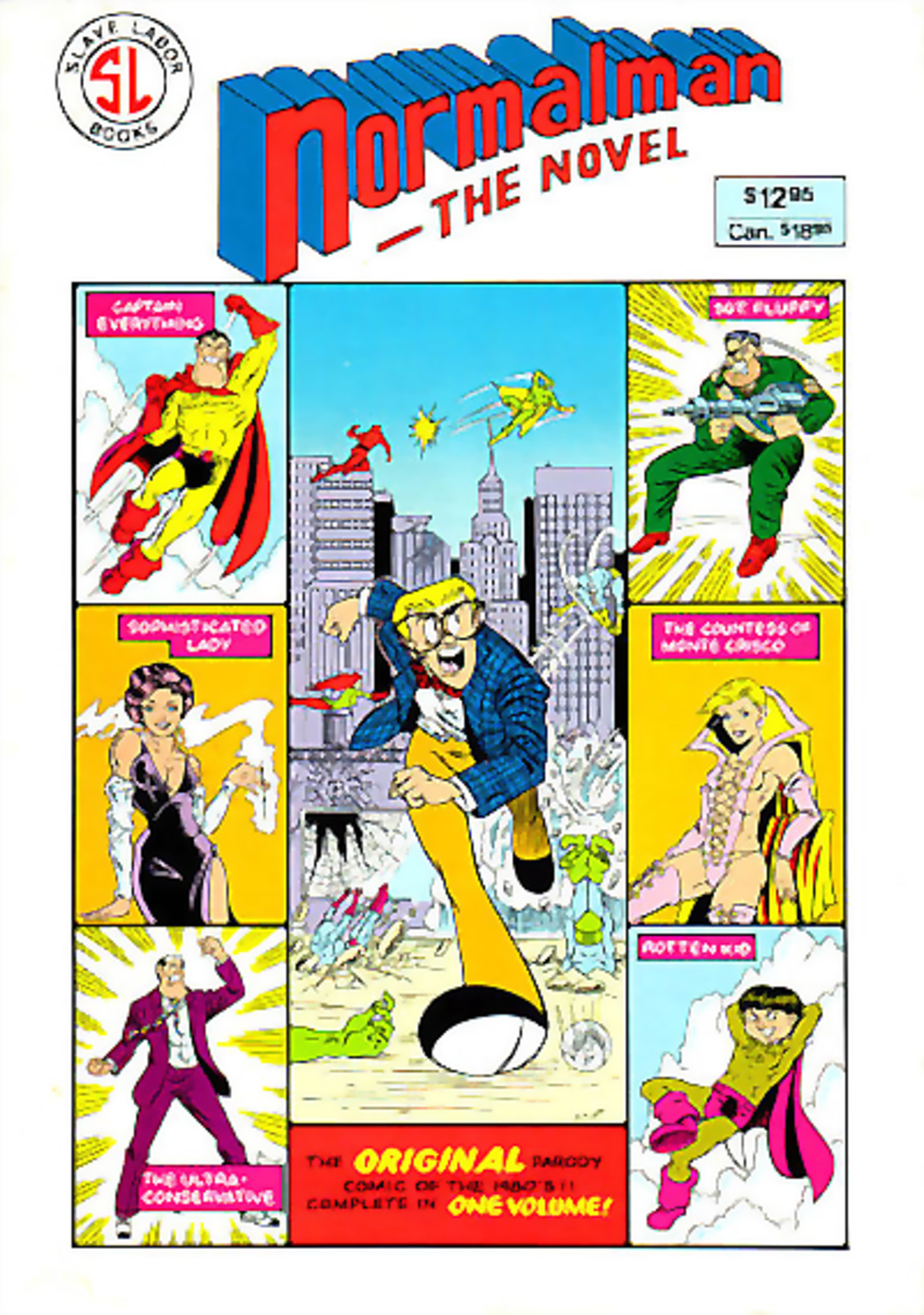
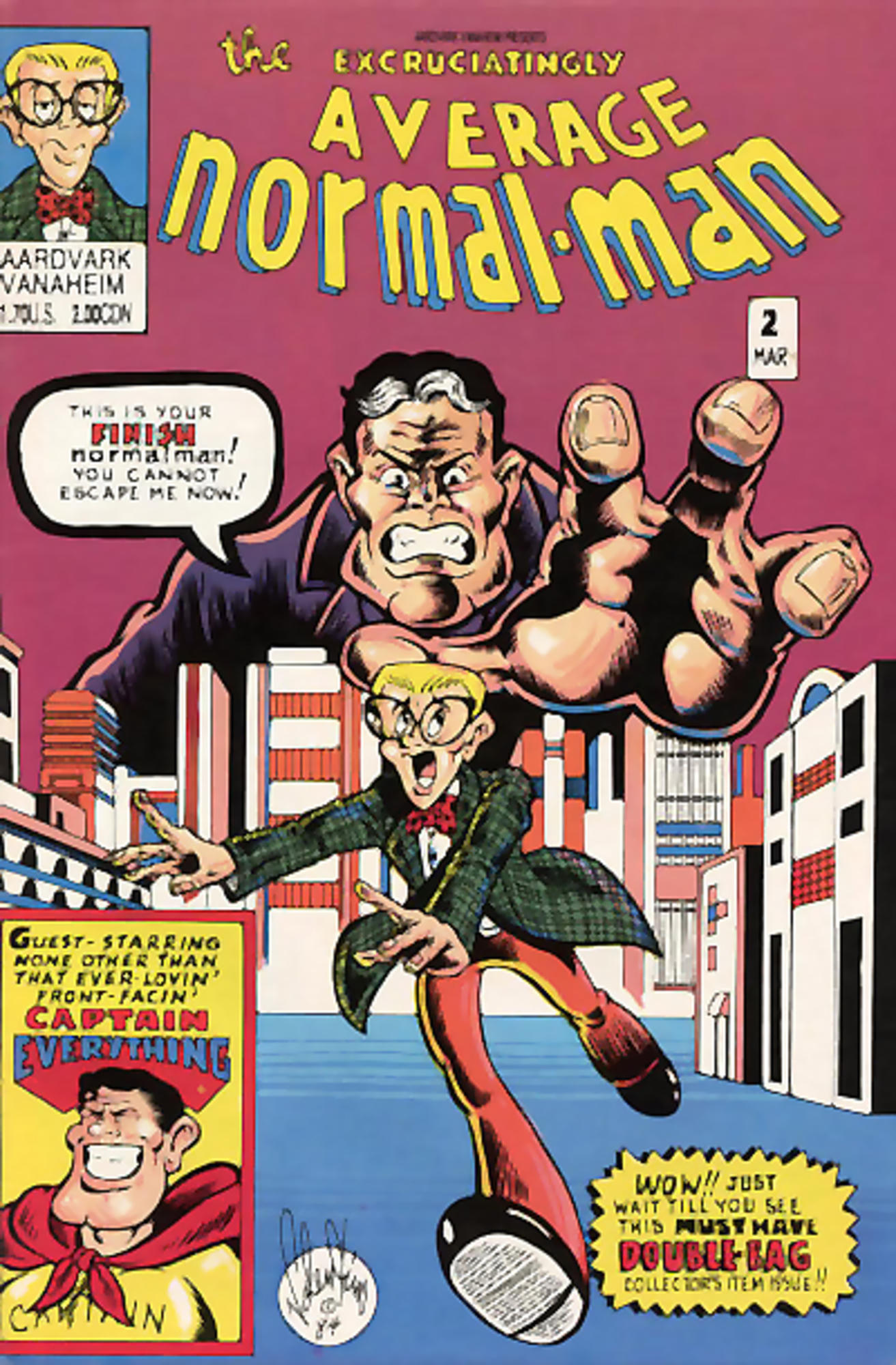 The concept behind the series is brilliantly simple. Normalman was born on the distant planet Levram—a name that immediately hints at the comic’s irreverent sense of humor, as it is simply “Marvel” spelled backward. Moments before the planet exploded, his parents launched him into space as an infant in a rocket. Comic readers instantly recognize the familiar setup, but Valentino twists the legendary Superman origin on its head. Rather than landing on an ordinary world populated by ordinary people, the infant arrives on Earth, where every inhabitant possesses bizarre superpowers, strange costumes, or outrageous personalities. Ironically, the only person without powers is the refugee from another planet, making him the “normal” one in an utterly abnormal society.
This reversal became the foundation for the comic’s endless stream of jokes. Nearly every superhero cliché imaginable was turned upside down. Costumes became increasingly ridiculous, origin stories grew more convoluted, and dramatic speeches were undercut by clever punchlines. Valentino delighted in exposing the sometimes illogical nature of comic book storytelling while celebrating its creativity.
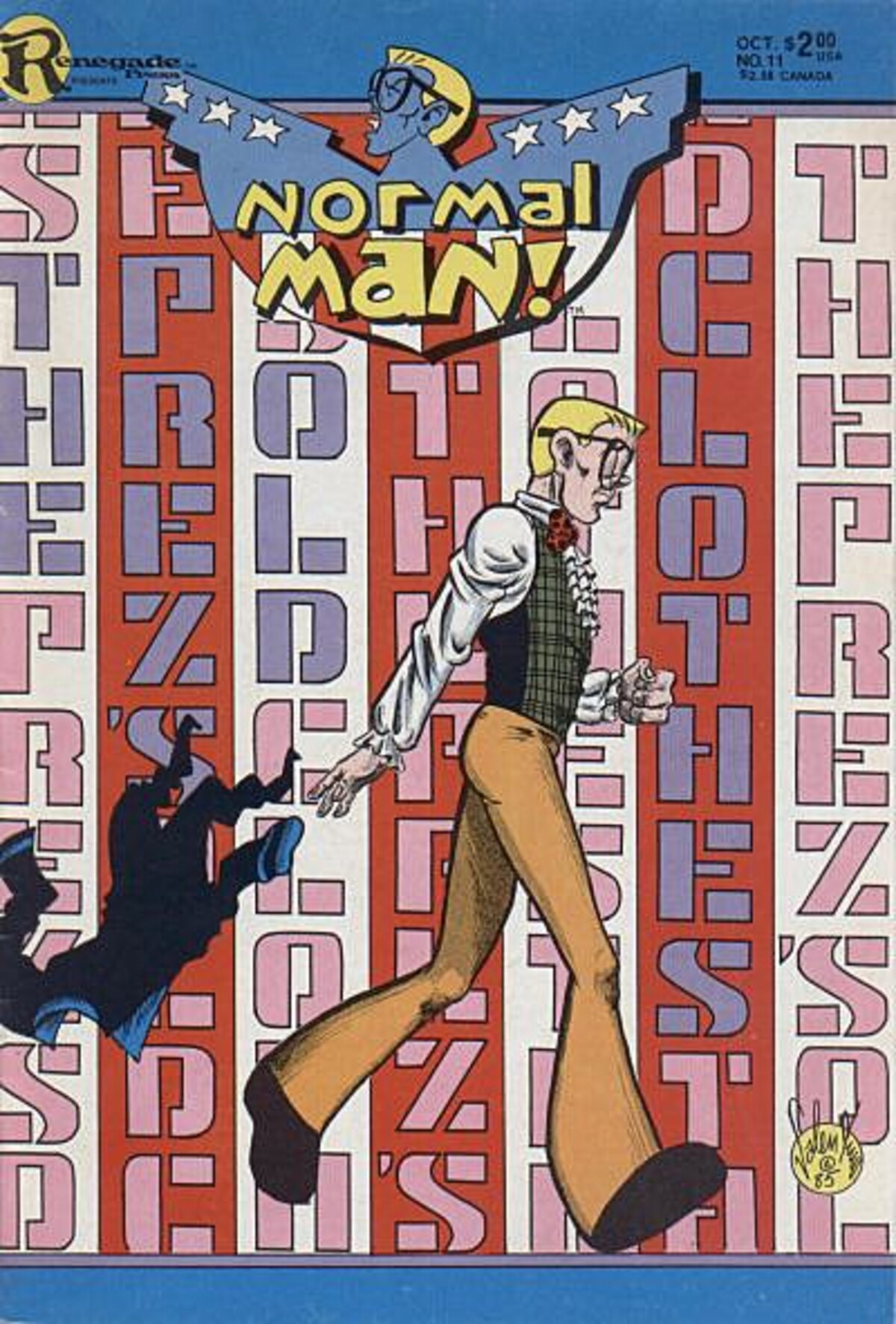
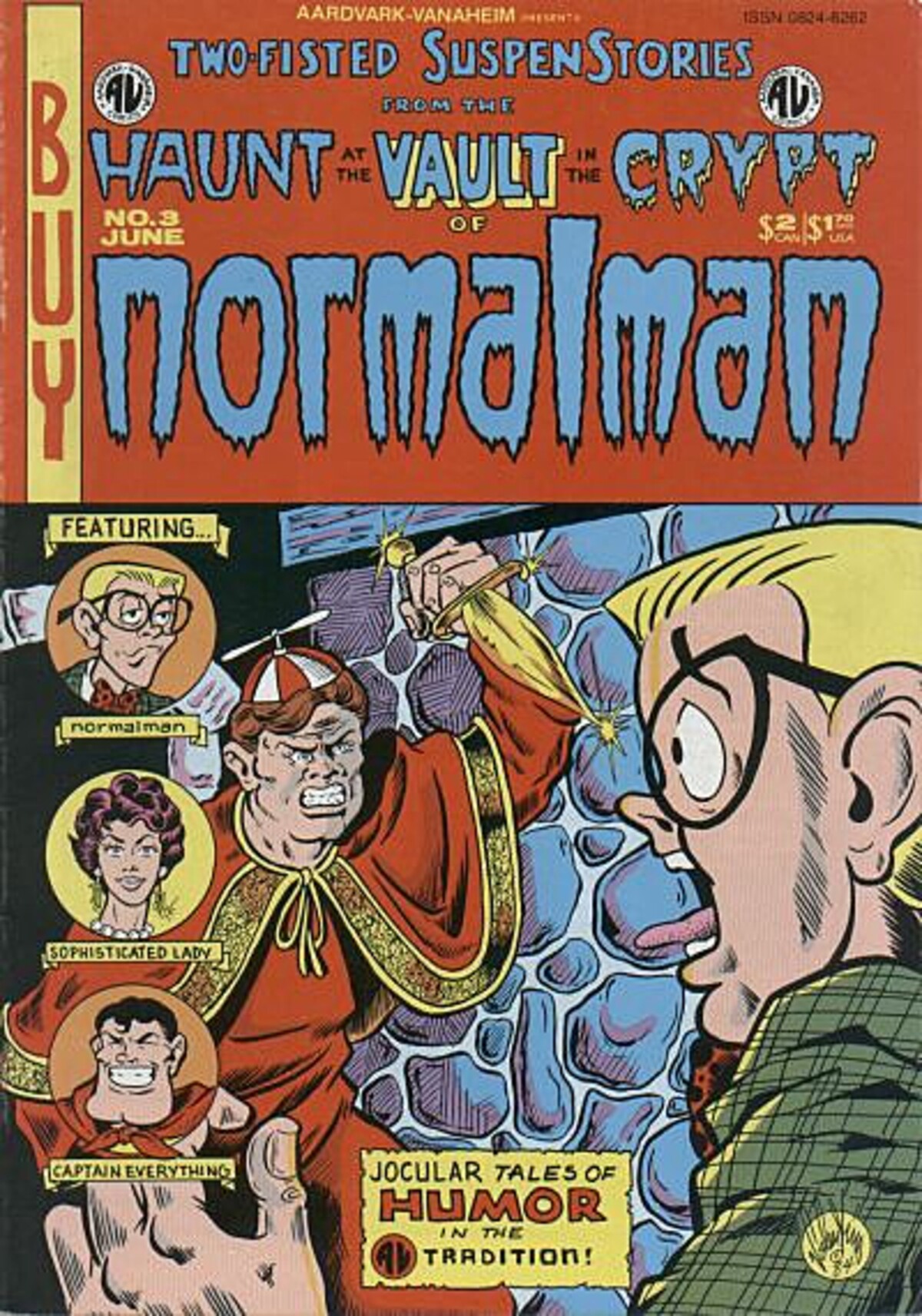 Normalman himself was an intentionally understated protagonist. Unlike Superman, Batman, or Spider-Man, he possessed no extraordinary abilities. He relied instead on common sense, determination, and an ability to survive the chaos created by everyone around him. In many ways, he served as the audience’s representative, reacting with disbelief to the increasingly ridiculous situations unfolding before him. His level-headed personality contrasted sharply with the eccentric heroes and villains who populated his world.
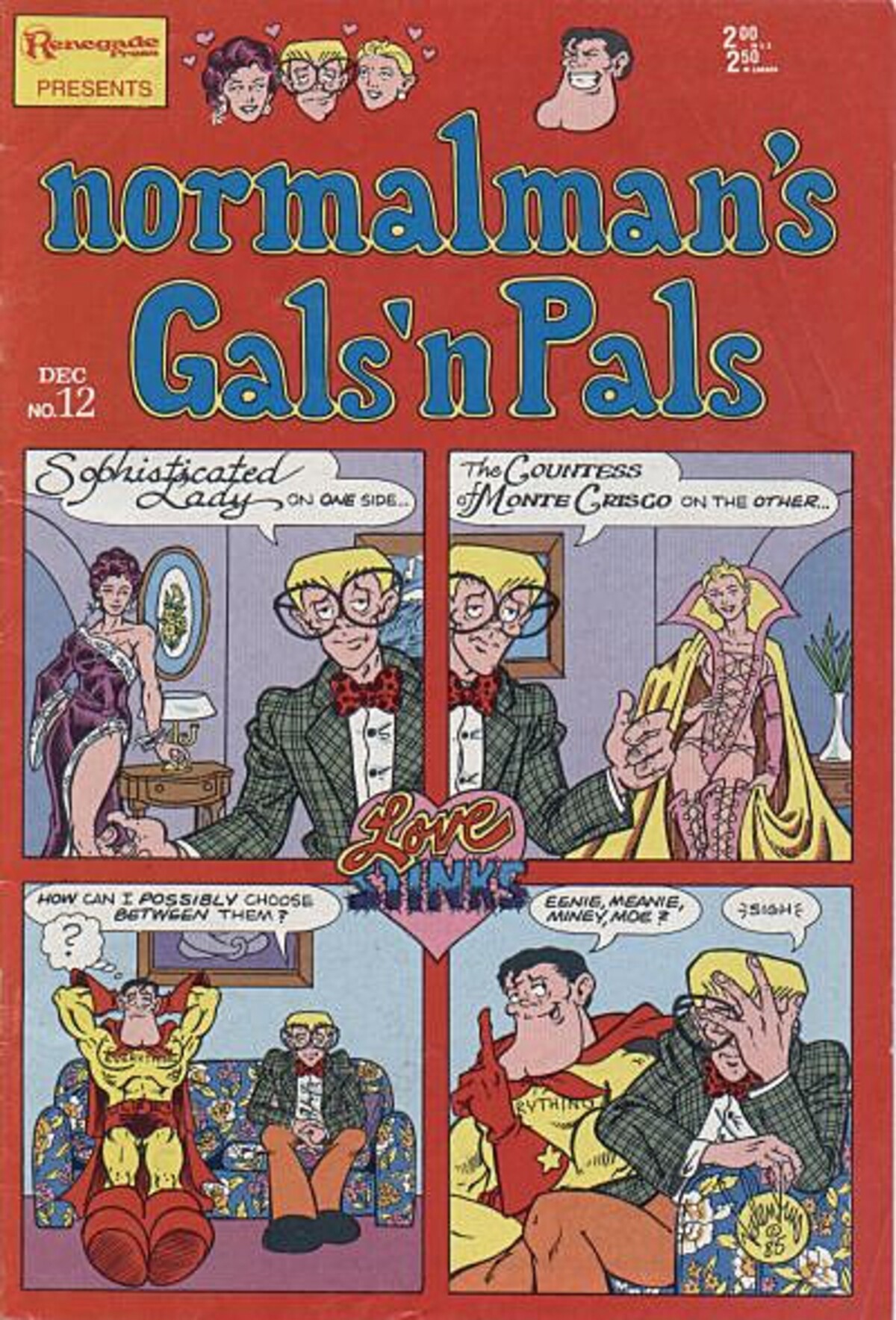
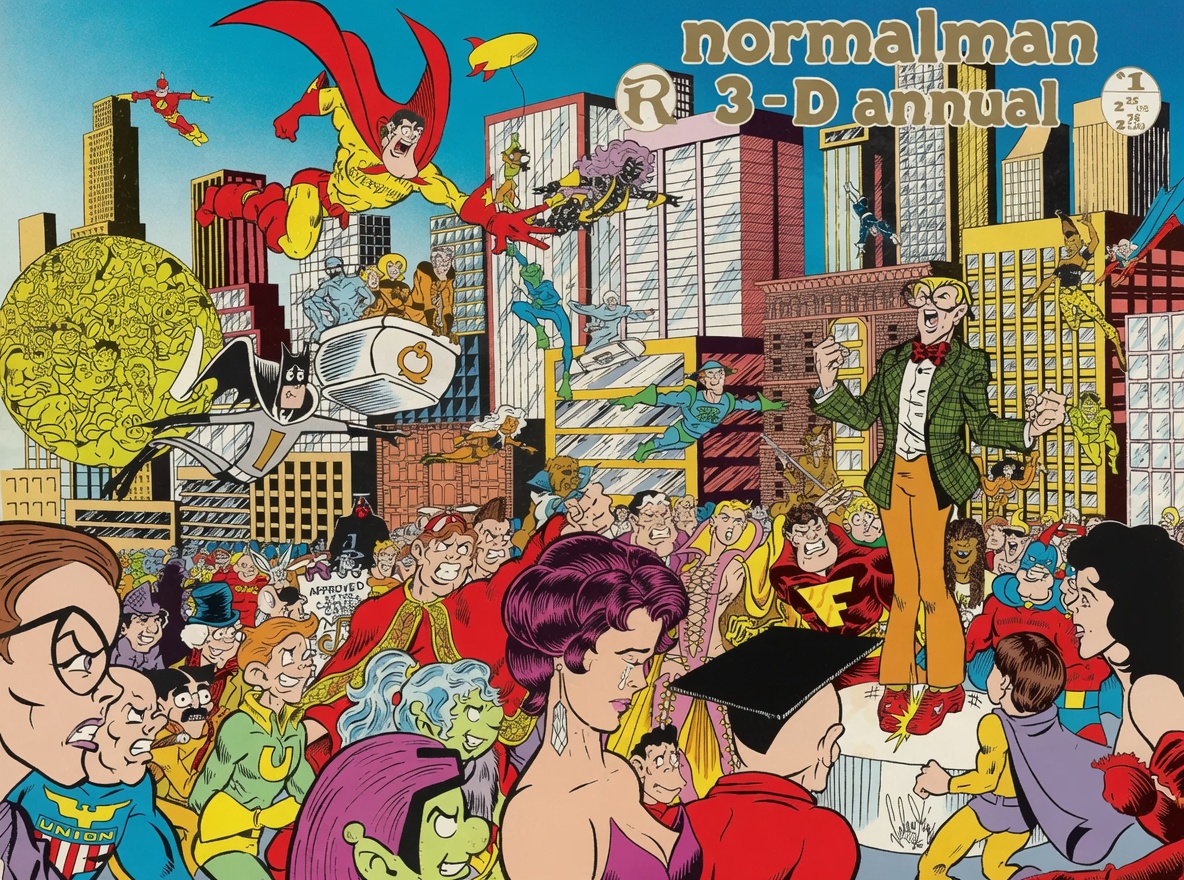
The supporting cast became one of the comic’s greatest strengths. Valentino introduced dozens of parody characters inspired by both Marvel and DC Comics, as well as independent comic creators, publishers, and industry personalities. Readers familiar with comic books were rewarded with countless inside jokes, visual references, and playful nods to the industry’s biggest stars. Rather than cruel mockery, the humor was affectionate, reflecting Valentino’s obvious love of comics and the people who created them.
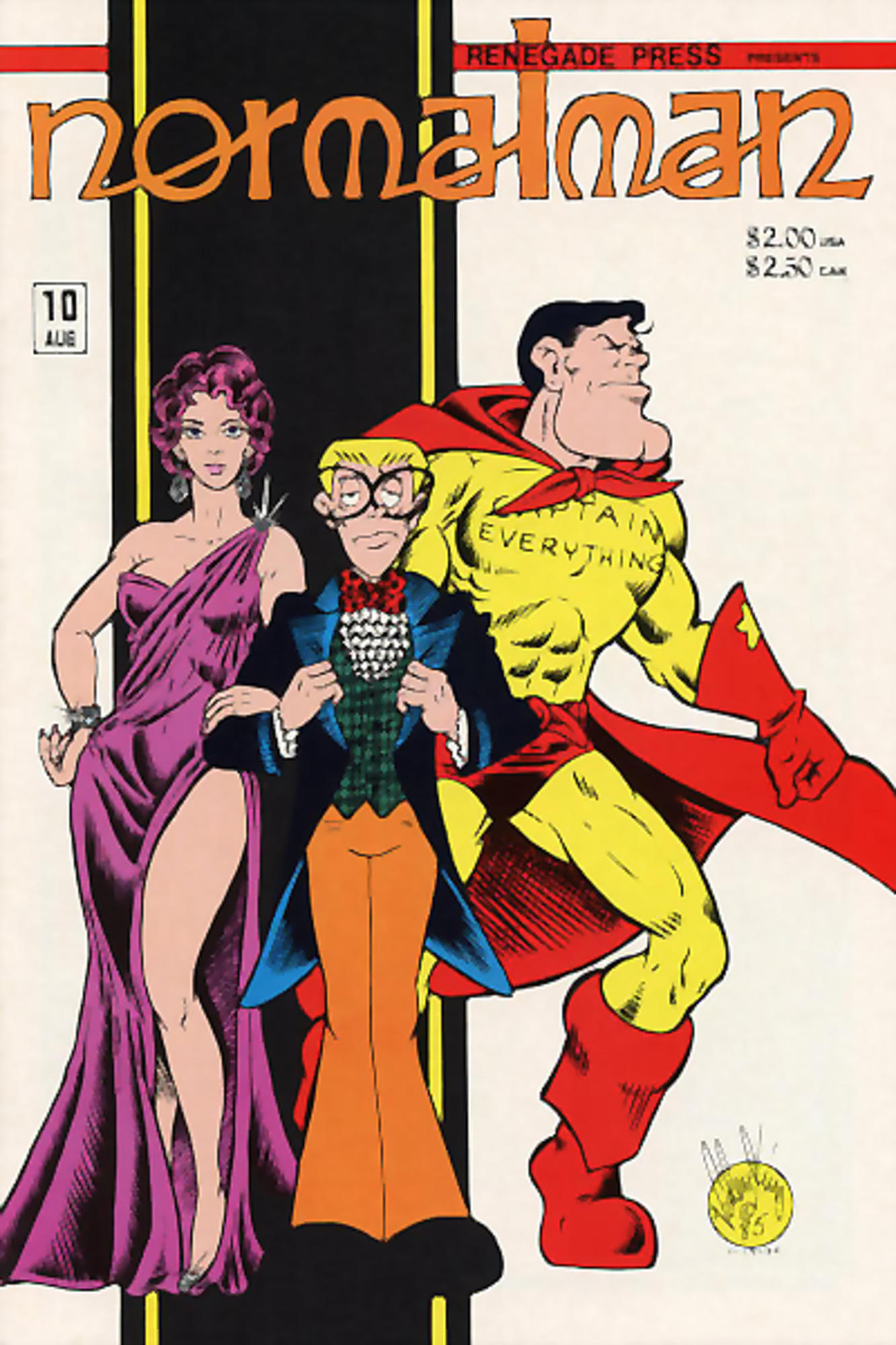
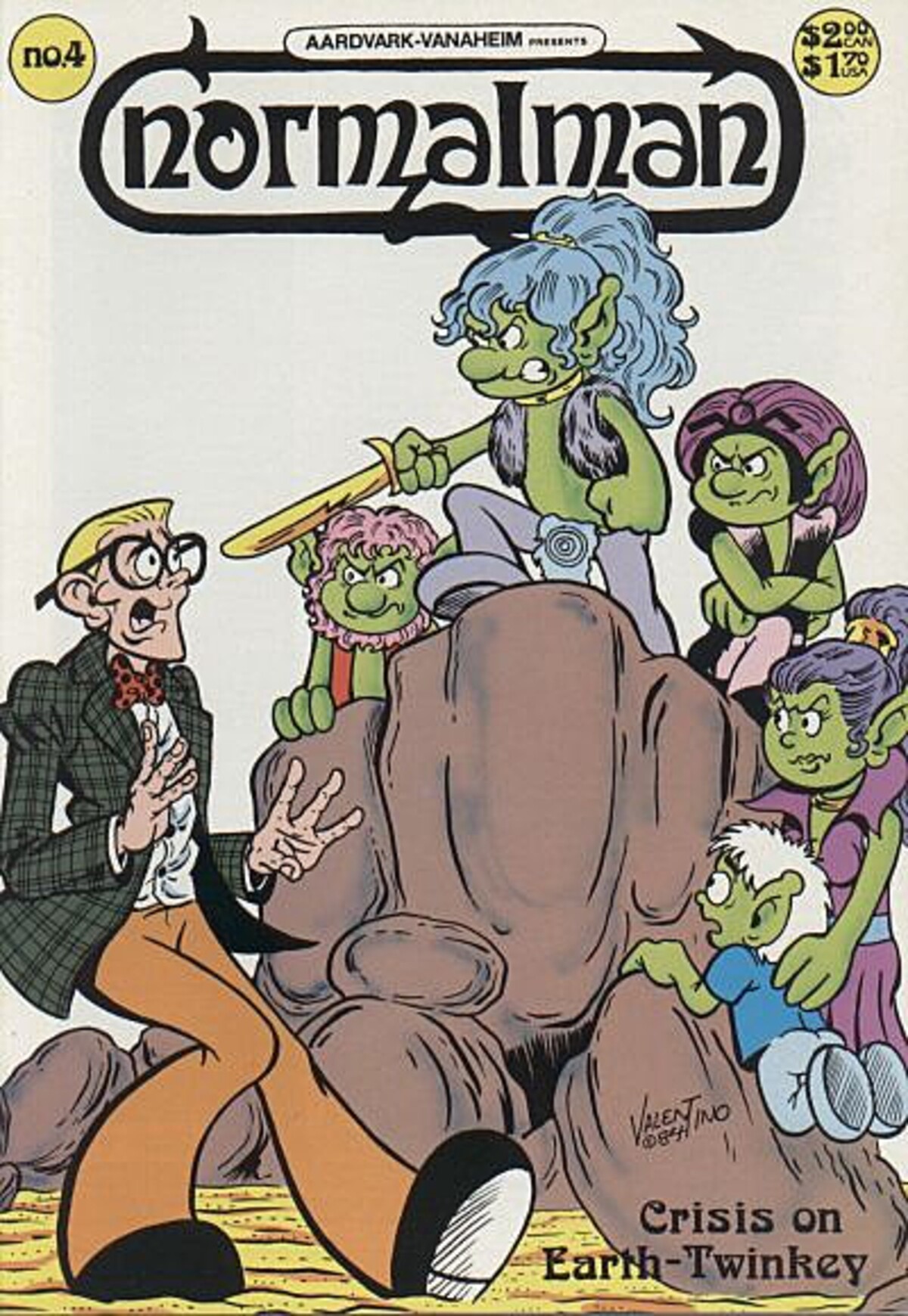 Among the recurring characters were Captain Everything, Fhantasy Phox, and numerous heroes and villains whose names and costumes barely disguised their inspirations. Valentino proved remarkably adept at capturing the essence of famous comic book archetypes while exaggerating their quirks for comedic effect. His satire extended beyond superheroes to include science fiction, fantasy, horror, television, movies, politics, and even comic book fandom itself.
One of Normalman‘s defining characteristics was its willingness to break the fourth wall. Characters frequently acknowledged they were appearing in a comic book. Editorial notes became part of the jokes. Letter pages evolved into humorous conversations between Valentino and his readers. The series constantly reminded audiences that comics were a unique storytelling medium capable of laughing at themselves.
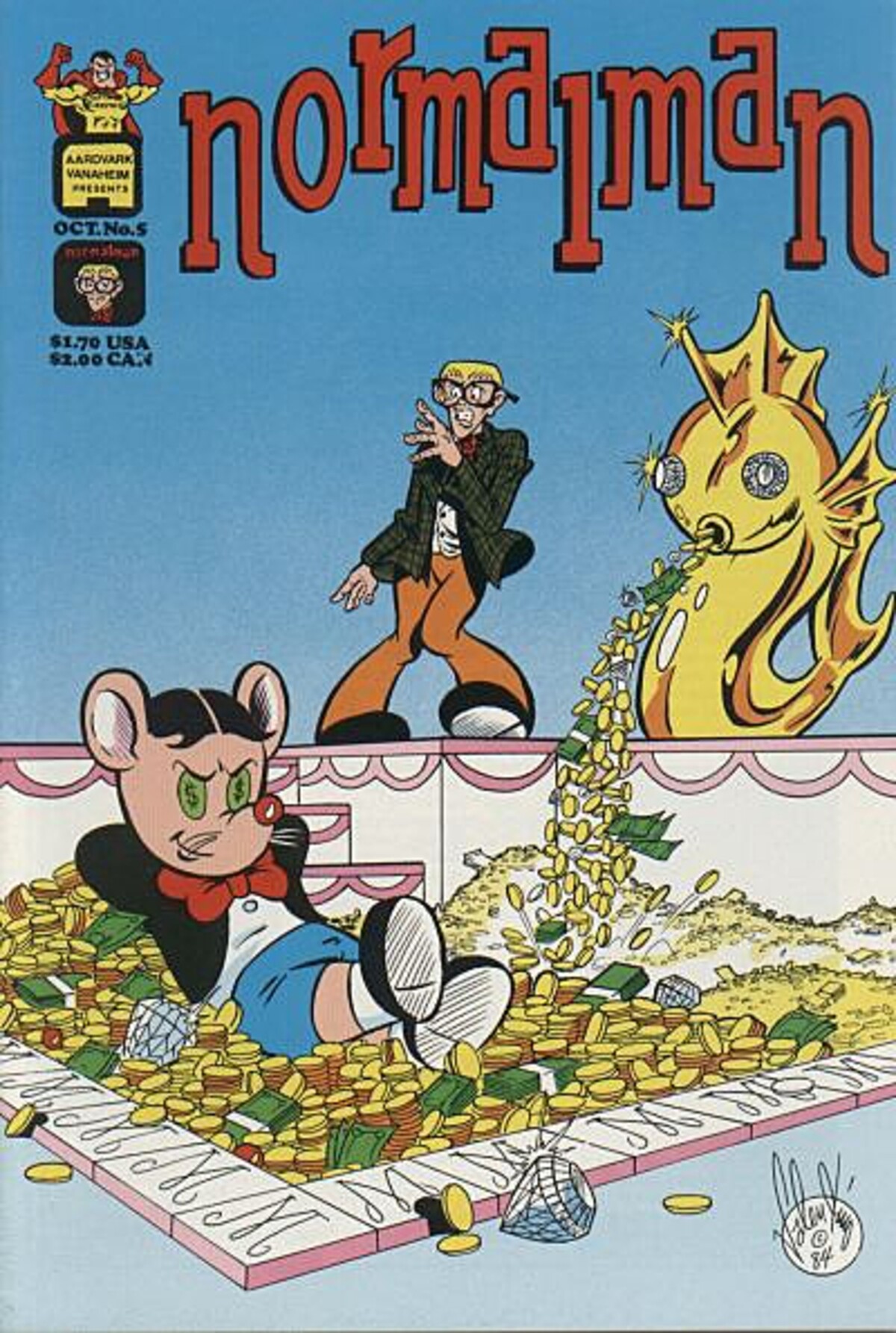 Valentino’s artwork matched the comic’s energetic humor. His clean, expressive linework made every exaggerated facial expression and visual gag instantly readable. While the art remained cartoony, it displayed a solid understanding of superhero storytelling and dynamic composition. Valentino could convincingly mimic the styles of famous artists when parody demanded it, making each spoof even more recognizable to longtime comic fans.
As the series progressed, Normalman became increasingly ambitious. What began as a straightforward superhero parody evolved into sprawling storylines filled with running jokes, recurring villains, and surprisingly complex continuity. Valentino demonstrated that even satire could support long-form storytelling without sacrificing its comedic edge. Readers became invested not only in the jokes but also in the characters themselves.
The book also offered subtle commentary on the comic industry during a period of rapid change. The early 1980s saw the rise of the direct market, creator-owned publishing, and an explosion of independent comics. Normalman reflected this evolving landscape by lampooning publishing trends, editorial decisions, crossover events, and marketing gimmicks. It captured a unique moment in comic book history when creators were experimenting with new ideas outside the traditional superhero establishment.
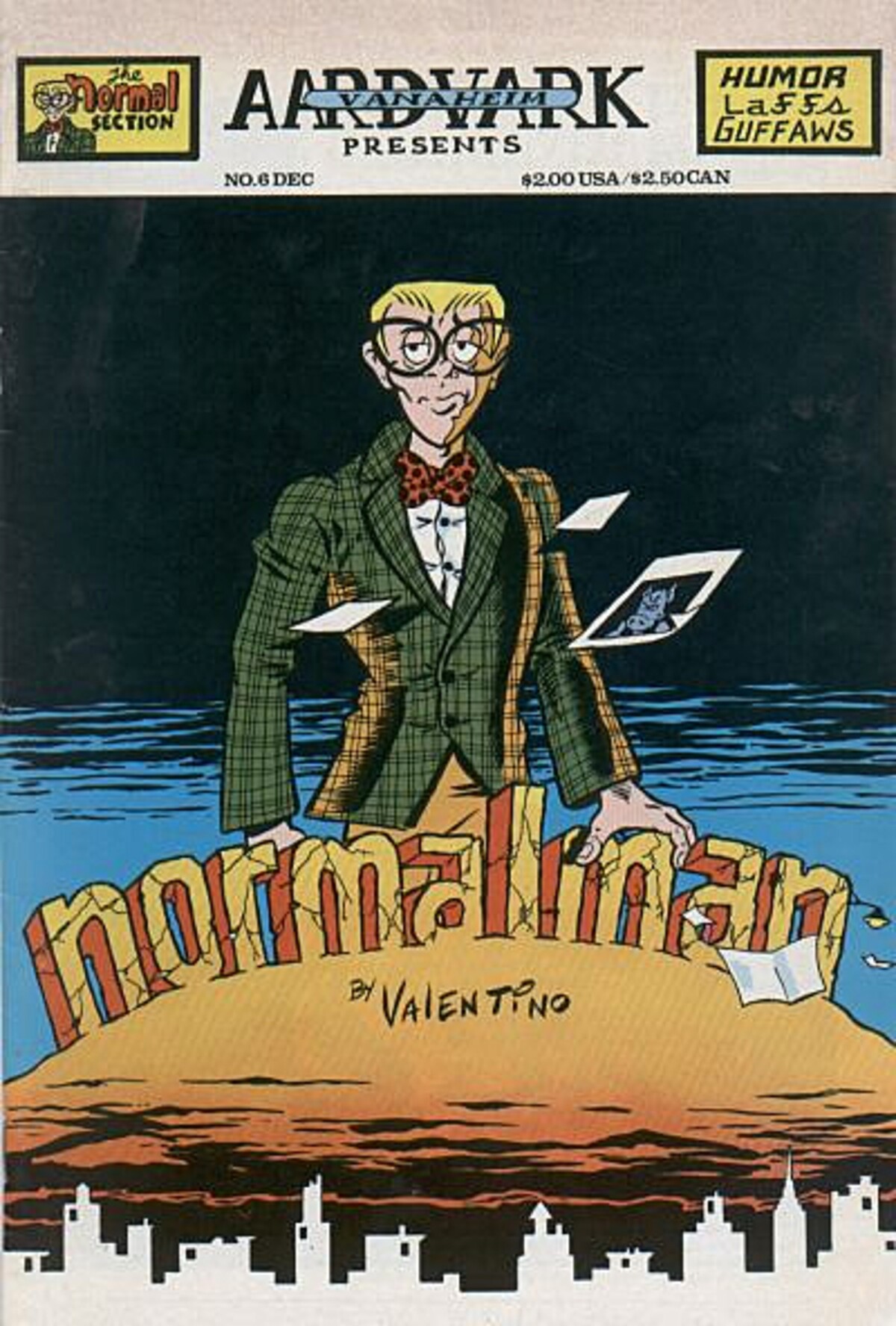 Despite its humorous premise, Normalman never descended into cynicism. Valentino clearly admired superheroes even while poking fun at their conventions. His parodies succeeded because they were rooted in genuine appreciation rather than contempt. Readers laughed at familiar tropes precisely because they recognized and loved them.
The series developed a loyal following among comic fans who appreciated its intelligence and wit. While it never achieved the sales numbers of mainstream superhero titles, Normalman became one of the defining independent comics of the decade. It demonstrated that creator-owned books could explore genres beyond traditional action-adventure while remaining commercially viable.
Jim Valentino’s growing reputation as both a writer and artist eventually led him to work for Marvel Comics, where he enjoyed a successful run on Guardians of the Galaxy. Later, he became one of the seven founding partners of Image Comics in 1992, helping reshape the comic industry through creator ownership. Many readers who discovered Valentino through Image later sought out Normalman, recognizing it as an early showcase of his creativity and storytelling instincts.
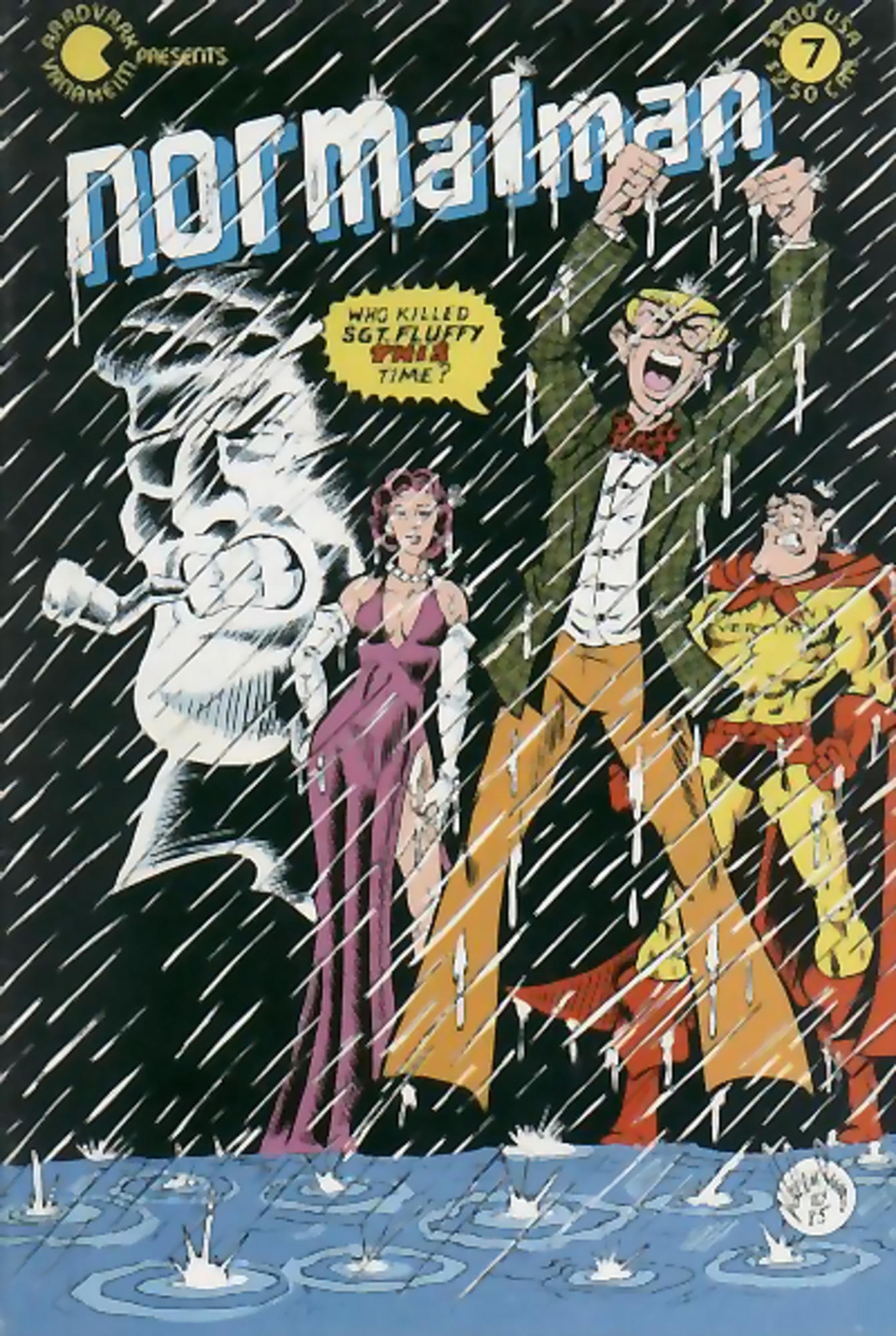 Although Normalman has appeared in various collections and revival projects over the years, its influence extends beyond its publication history. The series anticipated the self-aware humor that would later become common in superhero entertainment. Modern comics, television series, and films that playfully acknowledge superhero conventions owe something to pioneers like Valentino, who proved decades earlier that parody could coexist with genuine admiration.
Today, Normalman remains a fascinating time capsule of the independent comics revolution. Its references may occasionally reflect the comic industry of the 1980s, but its central premise remains timeless. The idea of an ordinary person navigating a world filled with increasingly absurd superheroes continues to resonate with readers who appreciate both satire and superhero fiction.
More than forty years after his debut, Normalman still stands as one of independent comics’ most original creations. Jim Valentino transformed a simple reversal of Superman’s origin into a sharp, witty examination of superhero mythology and comic book culture. The result is a series that entertains on multiple levels, rewarding casual readers with laugh-out-loud comedy while offering longtime comic fans an endless treasure trove of clever references. In a medium often defined by extraordinary heroes with impossible powers, Normalman proved that sometimes the most interesting character is simply the only normal person in the room.
About Author
