
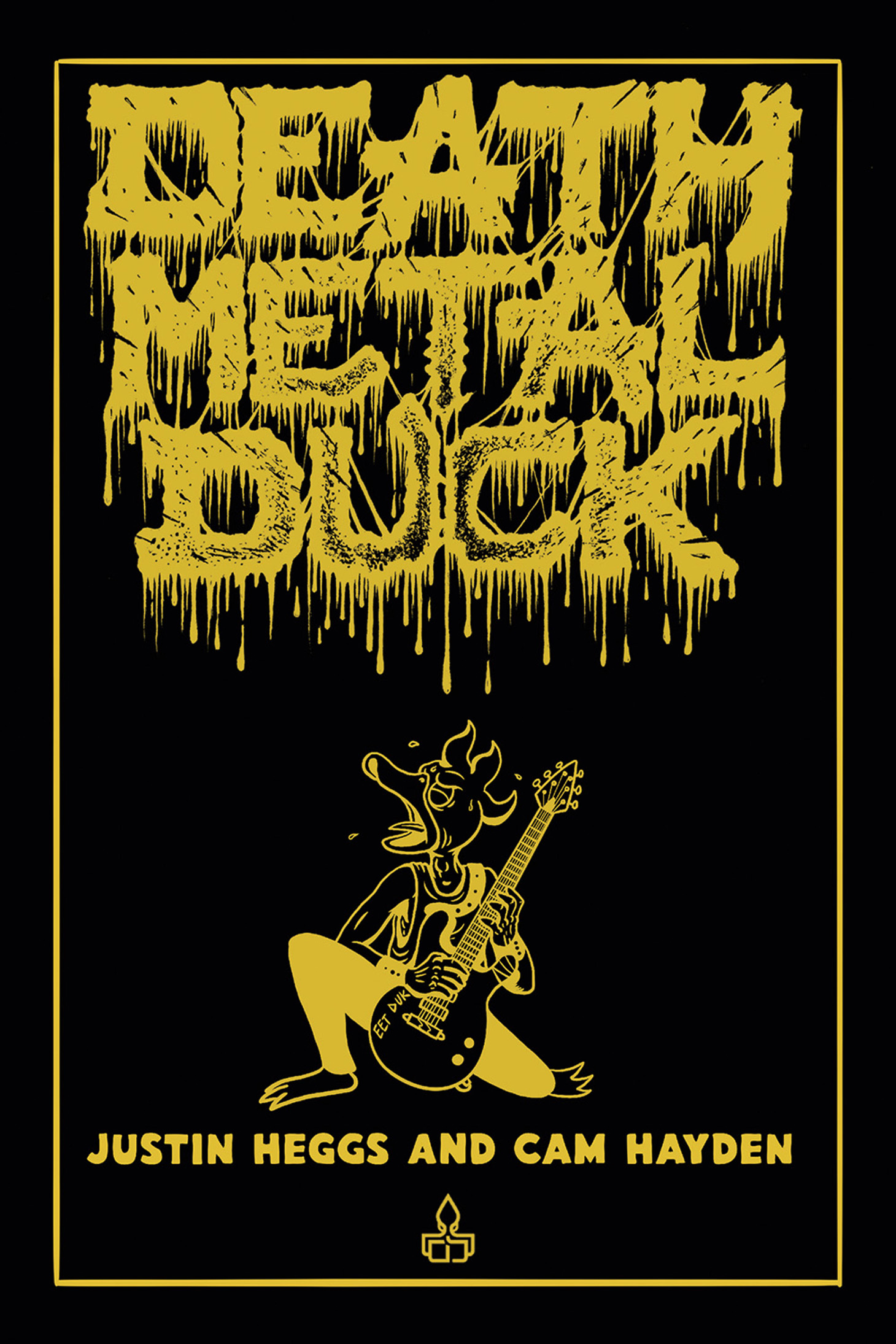
 There is a moment in almost every musician’s life when reality begins to compete with passion. The late-night rehearsals give way to early-morning responsibilities. The dreams of touring the world are replaced by mortgage payments, school functions, and family obligations. For some, that transition is painful. For others, it becomes a new chapter. Death Metal Duck explores that crossroads with humor, heart, and enough heavy-metal energy to shake the walls.
At the center of this 80-page black-and-white graphic novel is Curtis Paul, the former frontman of the legendary thrash metal band Puke Hammer. Once known for commanding crowds and unleashing ferocious vocals, Curtis now spends his days navigating the far less glamorous challenges of parenthood. Instead of standing before screaming fans in packed venues, he attends parent-teacher meetings, handles family responsibilities, and tries to balance the demands of adulthood with the memories of a life lived at maximum volume.
The premise is instantly relatable, even for readers who have never picked up a guitar or stepped foot in a mosh pit. Growing older often means making choices between who we were and who we have become. Curtis is not simply mourning his youth; he is confronting the reality that the person he used to be still exists somewhere beneath the responsibilities of daily life. When an unexpected opportunity to reunite Puke Hammer emerges, that dormant part of himself begins demanding attention.
 This setup creates the central conflict of Death Metal Duck. Curtis is caught between two worlds. On one side is the family he loves and the life he has built. On the other is the intoxicating possibility of reclaiming a piece of his identity through music. The story never treats either choice as inherently right or wrong. Instead, it examines the complicated emotions that come with balancing personal ambition against familial responsibility.
What makes the book particularly effective is its sense of humor. The contrast between Curtis’s past and present provides endless opportunities for comedy. The image of a once-feared metal frontman worrying about school schedules or household chores is inherently amusing. Yet the humor never feels mean-spirited. Rather than mocking Curtis, the story celebrates the absurdity of adulthood and the strange ways people evolve over time.
The title itself, Death Metal Duck, suggests a story that embraces its own eccentricity. Readers can expect a narrative willing to have fun with heavy-metal culture while still respecting it. The graphic novel understands the passion that drives musicians and fans alike. It recognizes that the loud, chaotic energy of metal is more than just noise—it is a form of self-expression, community, and identity.
 One of the book’s most intriguing elements is its time-hopping structure. Rather than presenting Curtis’s life as a straightforward chronology, the story jumps through different periods, allowing readers to experience key moments from his past and present. This approach creates a richer understanding of the character. We see not only who Curtis is today but also the ambitious, rebellious young musician he once was.
These shifts through time highlight the contrast between youthful dreams and adult realities. They also demonstrate how the past continues to influence the present. Every choice Curtis made as a musician echoes into his current life. Likewise, every decision he makes as a parent reshapes how he views his former self. The result is a layered narrative that feels both personal and universal.
The emotional core of Death Metal Duck lies in its portrayal of parenthood. While many stories about aging rock stars focus on excess, regret, or nostalgia, this graphic novel places family at the forefront. Curtis is not portrayed as someone desperate to escape his responsibilities. Instead, he genuinely cares about his family and wants to do right by them. That makes his dilemma far more compelling.
 Readers who are parents will likely recognize aspects of themselves in Curtis. The struggle to maintain personal passions while raising children is a common challenge. Hobbies, creative pursuits, and long-held dreams often take a back seat to family obligations. Death Metal Duck captures that reality without becoming overly sentimental. It acknowledges the sacrifices that come with parenthood while also celebrating the rewards.
Music remains a vital part of the story’s identity. The creators have incorporated real music from a local Alberta band, reimagining it as the catalog of Puke Hammer. This decision adds authenticity and texture to the fictional world. Even though readers cannot hear the songs directly on the page, the inclusion of actual music roots the band’s history in something tangible.
For music fans, this element creates an additional layer of immersion. The fictional discography feels less like a gimmick and more like a genuine extension of the story’s universe. It reinforces the sense that Puke Hammer was once a living, breathing band with its own culture, songs, and fanbase.
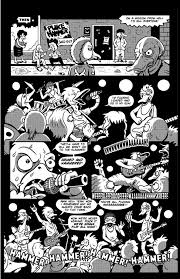 Visually, the black-and-white presentation suits the material perfectly. Heavy metal and independent comics have long shared an appreciation for raw, unfiltered aesthetics. The monochrome artwork enhances the story’s gritty atmosphere while allowing the emotional moments to stand out. Without the distraction of color, readers can focus on expressions, body language, and the contrasts between different eras of Curtis’s life.
The mature rating suggests that the creators are not shying away from adult themes. However, maturity here appears to stem less from shock value and more from the story’s willingness to engage with real-life challenges. Growing older, raising children, confronting missed opportunities, and reevaluating personal identity are all deeply adult concerns. The graphic novel embraces these topics while maintaining an entertaining and accessible tone.
Perhaps the greatest strength of Death Metal Duck is its sincerity. It would have been easy to create a broad comedy about an aging metalhead trying to relive his glory days. Instead, the book seems genuinely interested in exploring the emotional realities behind that premise. Curtis is not simply chasing nostalgia. He is searching for a way to reconcile different parts of himself.
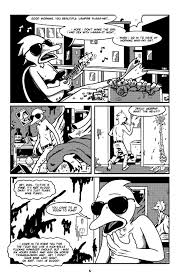 In doing so, the graphic novel offers a message that resonates far beyond the world of heavy metal. Life rarely follows the path we imagine when we are young. Dreams evolve. Priorities shift. Responsibilities accumulate. Yet the passions that once defined us never completely disappear. They remain waiting for the right moment to resurface.
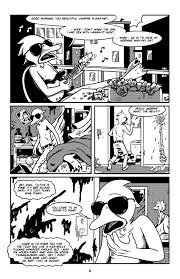
Death Metal Duck is ultimately a celebration of those passions. It is a story about creativity, family, music, and the enduring desire to stay connected to the things that make us feel alive. Funny, heartfelt, and infused with genuine affection for both comics and metal culture, it delivers an engaging experience that should appeal to readers far beyond its target audience.
Whether you are a lifelong metal fan, a parent trying to balance responsibilities with personal interests, or simply someone who enjoys character-driven stories, Death Metal Duck offers plenty to appreciate. Beneath the distorted guitars, outrageous band name, and comedic setup lies a thoughtful exploration of identity and second chances—proof that even the loudest voices sometimes have the most meaningful stories to tell.
About Author
