
NEW COMICS 4 THIS WEEK (06/03/26)
*All comics will be rated on a scale from 1 to 10*
Amazing Spider-Man # 30 (6.5/10)
Batman # 10 (9.5/10)
The Deadman # 1 (8/10)
Fantastic Four # 12 (9/10)
Iron Man # 6 (10/10)
Mighty Morphin Power Rangers # 1 (7.5/10)
Radiant Black # 42 (7/10)
Rook Exodus # 10 (7.5/10)
Supergirl: Survive # 1 (6.5/10)
Uncanny X-Men # 29 (6.5/10)
Wade Wilson: Deadpool # 5 (8/10)
What If…?: Uncanny X-Men # 1 (10/10)
X-Men ’97 Season 2 # 1 (7/10)
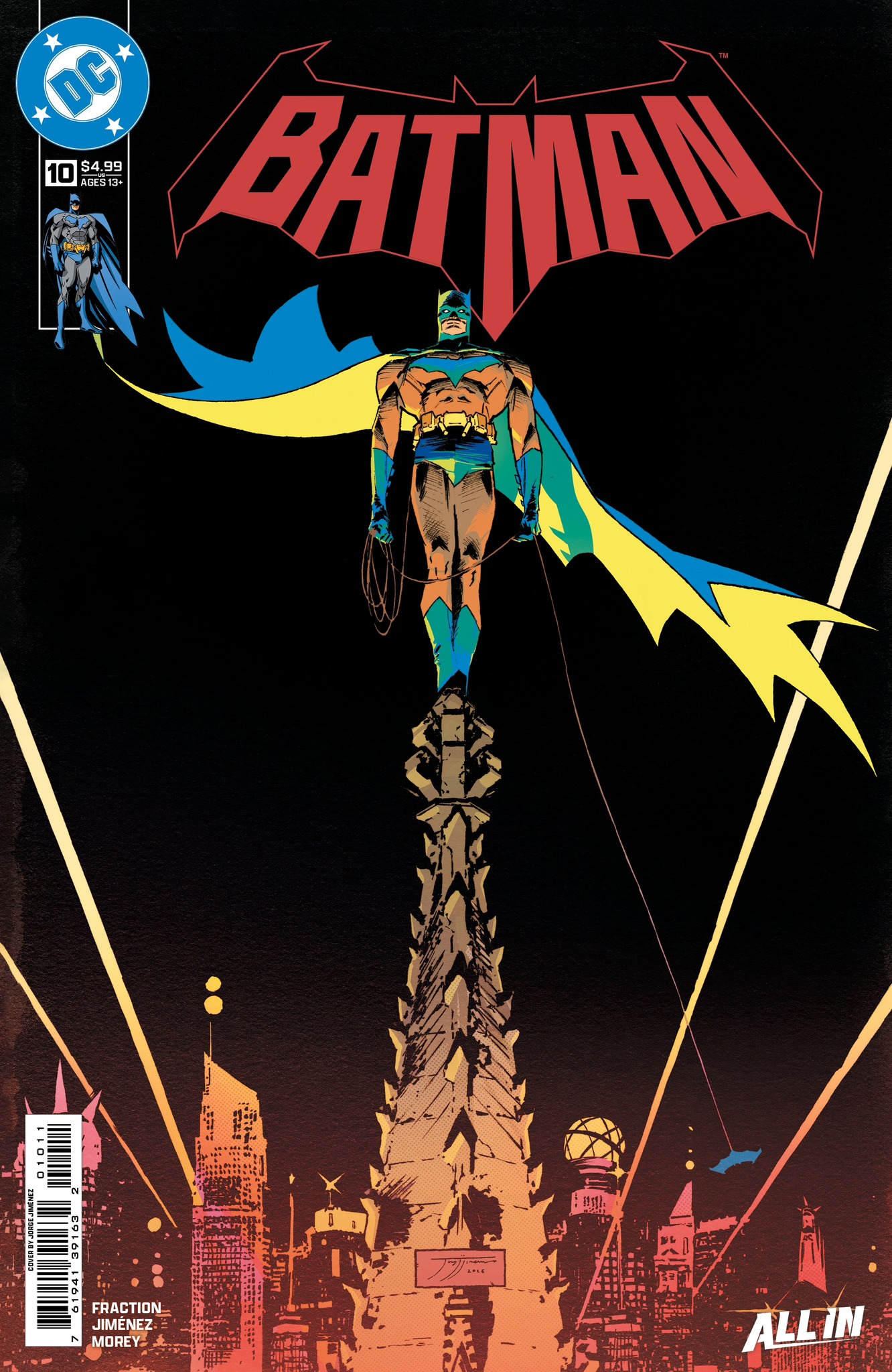
Batman # 10 – The latest edition of “Batman” shows The Dark Knight gearing up for a fierce, traditional-style counterattack to reclaim Gotham and demonstrate to Vandal Savage, the Minotaur, and corrupt GCPD officials who they are messing with. While this issue may serve as a key opponent in the upcoming “Bad Seeds” crossover, it effectively establishes dramatic moments and an optimistic tone, illustrating Batman’s readiness to retake Gotham. The issue also highlights how Vandal Savage’s influence is weakening, with Matt Fraction deliberately slowing the pace to focus on Gotham’s fractured state and its psychological impacts. Though the plot feels somewhat condensed, it remains compelling, and Batman’s retaliation is well-earned. It may take more time for Batman to defeat Savage fully, but this issue reaffirms the idea that Batman always emerges victorious.
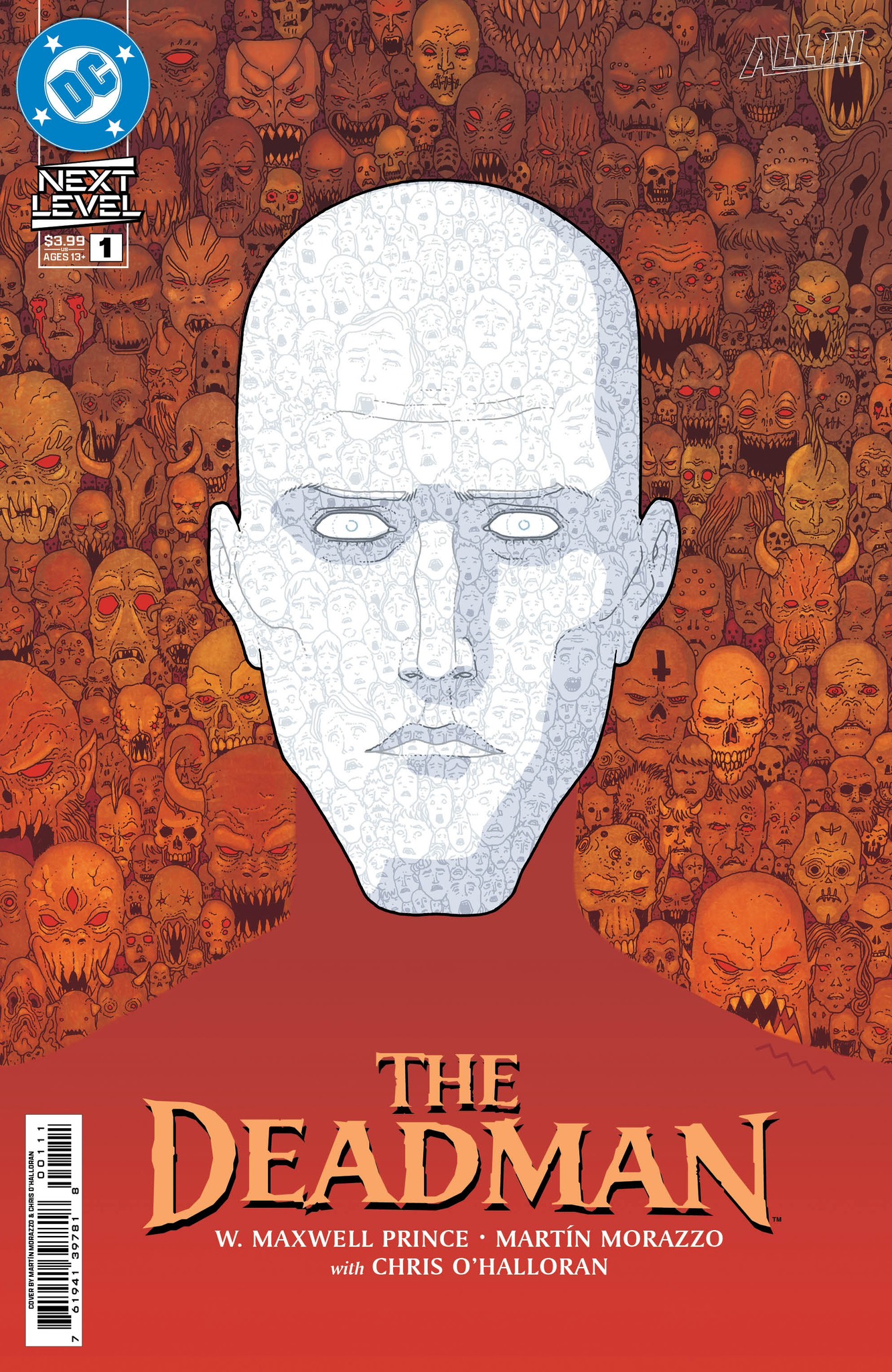 The Deadman # 1 – W. Maxwell Prince, Martin Morazzo, and Chris O’Halloran—the creative team behind “Ice Cream Man” and “Superman: The Kryptonite Spectrum”—bring their distinctive vision to Boston Brand, also known as Deadman. Instead of following traditional superhero conventions, this series reimagines Deadman as a cosmic grim reaper or “afterlife janitor.” After his murder, the former circus aerialist’s soul is claimed by the goddess Rama Kushna, who appoints him as the Custodian of All Souls. His new role is to safely guide spirits into the afterlife, upholding the mysterious “Laws of Spiritual Math.” From the outset, the series establishes a darker, more surreal tone, laced with the signature dark humor that Prince and Morazzo excel at. Their storytelling shines as they explore the emotional terrors of the afterlife, expanding Brand’s world with wonder and originality. This fresh approach is complemented by Morazzo’s art, which excels at expressive facial features and inventive, fourth-wall-breaking visuals. The story unfolds at a measured pace, allowing readers to fully absorb Brand’s new, more grounded existence as a custodian while moving away from the angst-ridden characterization that has defined him in the past. Deadman has never felt more vibrant, thanks to the creative synergy of Morazzo and O’Halloran. The result feels like an “Ice Cream Man” issue set within the DC Universe—yet this new interpretation stands on its own, offering plenty for both longtime fans and newcomers to discover.
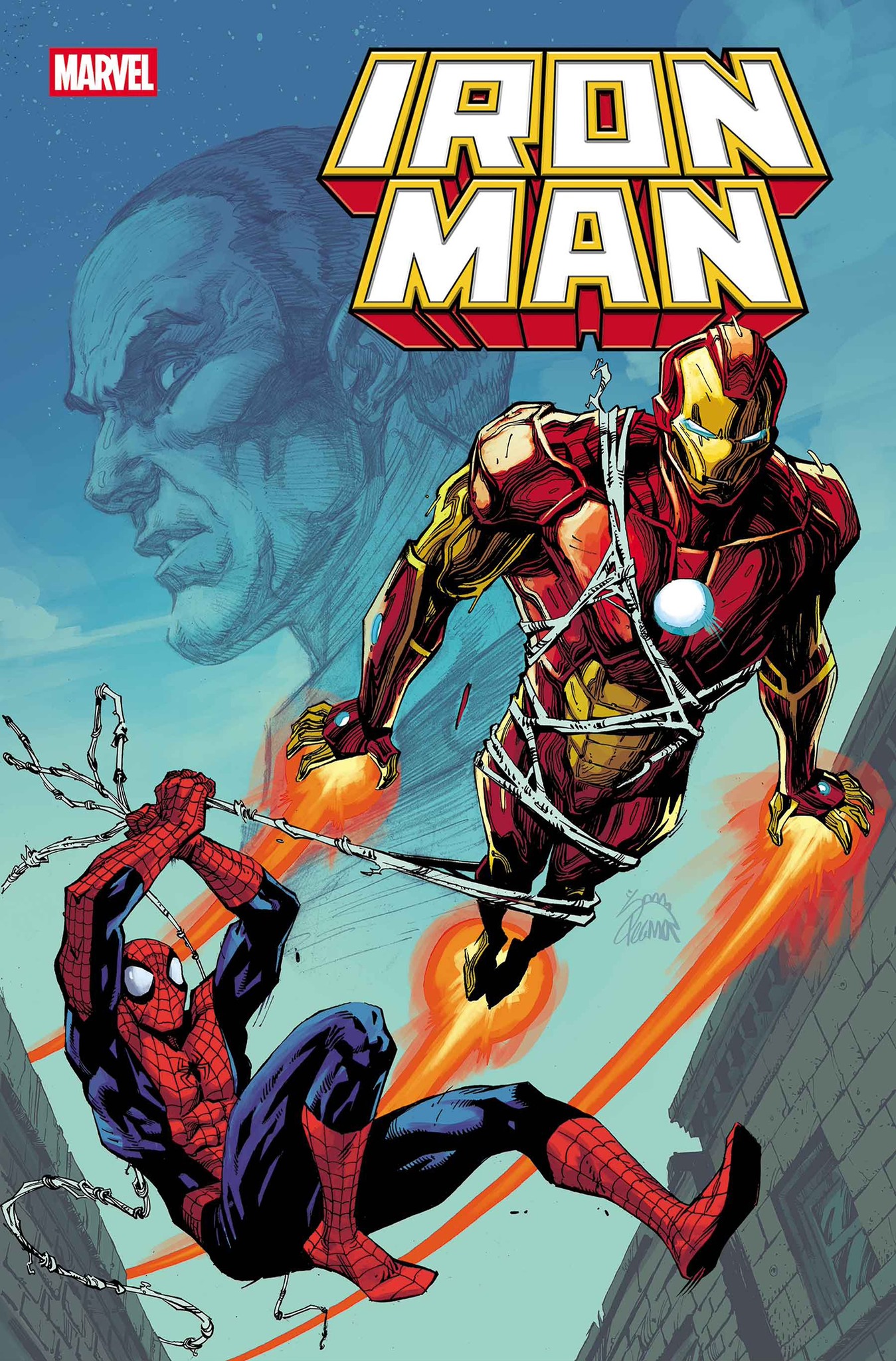 Iron Man # 6 – Few things are as entertaining as a classic Iron Man and Spider-Man team-up—especially when Norman Osborn is involved. Osborn, still on his redemption tour, tries to convince the Marvel Universe he’s changed. Still, the story centers on Tony Stark’s complicated history with him, particularly during the “Dark Reign” era. The situation escalates when Osborn’s old Iron Patriot armor is compromised, prompting both Iron Man and Spider-Man to intervene. In his brief tenure on the series, Joshua Williamson has made a strong impression, especially with this issue, which highlights the dynamic between Iron Man and Spider-Man. Here, Spider-Man once again serves as the emotional anchor and voice of reason for Stark. This approach blends high-stakes superhero action with a compelling detective mystery, both honoring Marvel’s legacy and forging a fresh narrative path. The characters are as charming as ever, their teamwork shining as the threat of Citizen V looms larger with each issue—a payoff Williamson seems poised to deliver. Overall, this is a perfect standalone story: high-energy, true to Marvel form, and a great mix of action and intrigue that respects the past while moving boldly forward.
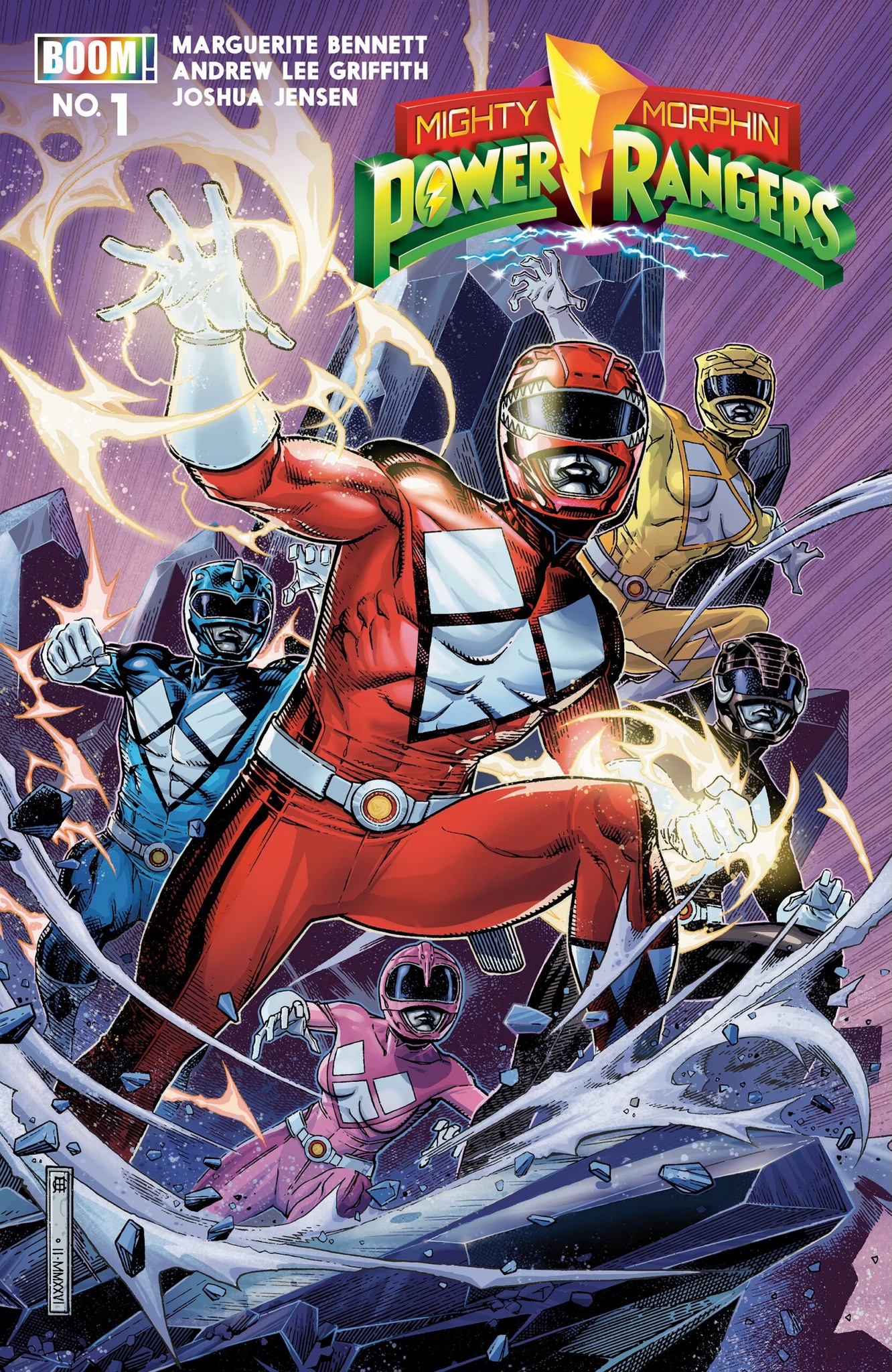 Mighty Morphin Power Rangers # 1 – The MMPR returns in a new series, led by writer Marguerite Bennett—who is already familiar with the Power Rangers universe—and artists Andrew Lee Griffith and Phillip Sevy, with colorist Joshua Jensen. This story reunites the Rangers ten years after they surrendered their morphers. Although the idea of revisiting grown-up Rangers has been explored before, the premise feels unexpectedly fresh and injects new energy into the MMPR franchise. However, the fast pacing and heavy dialogue sometimes overshadow the narrative. Fans will still find much to enjoy, particularly with the final page (**NO SPOILERS**). The introduction of Rita Rabiosa as a new threat provides a compelling hook for the series. That said, Andrew Lee Griffith’s art, with its smudged look, lacks the dynamism needed for the action scenes, making them feel awkward, while the more introspective moments come across as flat. The minimal focus on nostalgia in favor of a rapid pace doesn’t serve the series well, but with time, the creative team may be able to turn things around in future issues, as the return fans were anticipating doesn’t feel like it.
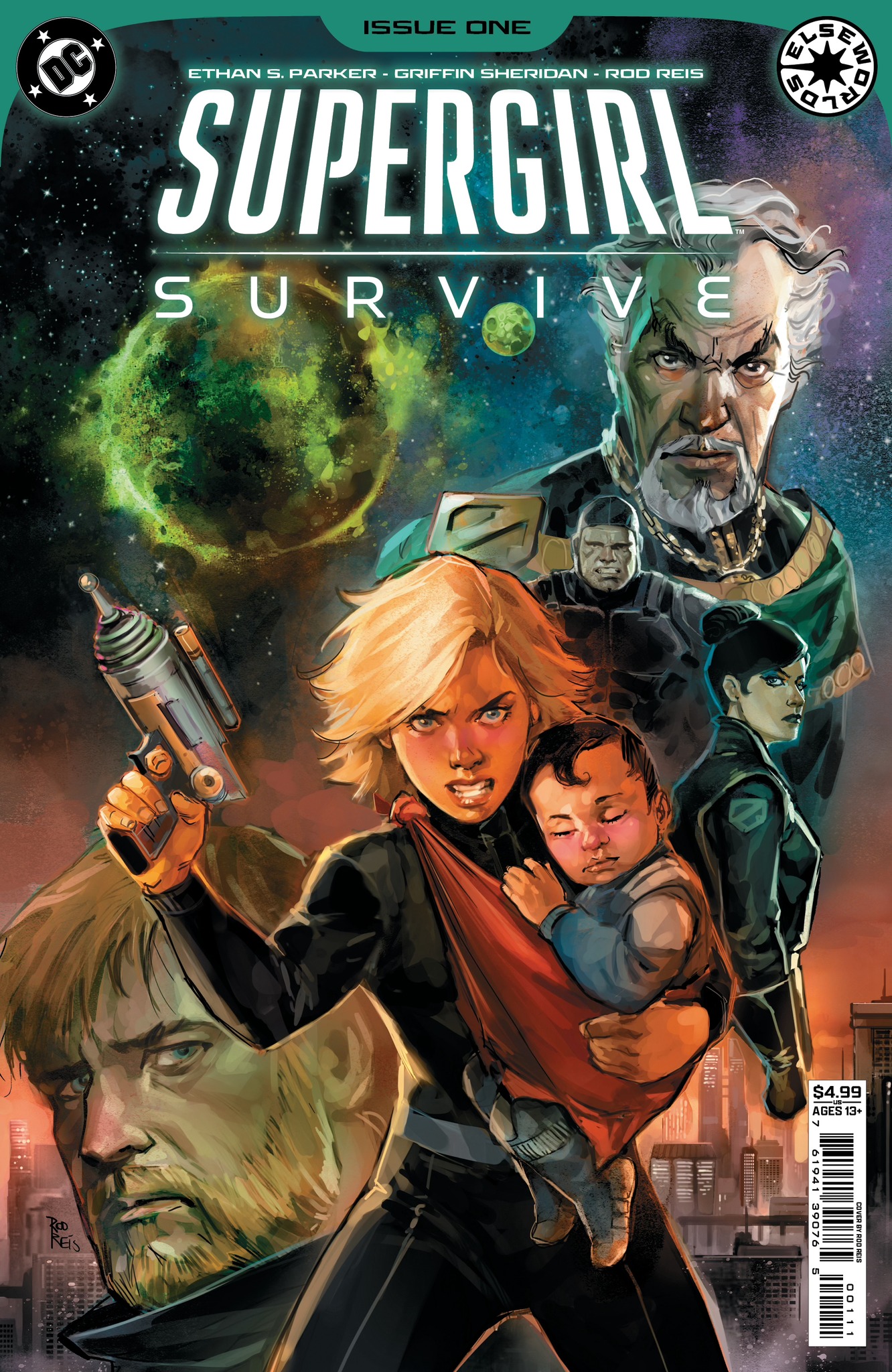 Supergirl: Survive # 1 – The latest “Elseworlds” story offers a fresh reimagining of the Superman and Supergirl mythos: instead of being separated, teenage Kara Zor-El and infant Kal-El are launched together in a single prototype rocket as Krypton is destroyed. Kara, thrust into the role of protector, must keep her baby cousin alive as they journey through a hostile universe. This premise holds strong appeal for both Superman and Supergirl fans, blending survival elements with a coming-of-age narrative reminiscent of the best young adult novels. However, the story stumbles with a slow start, devoting too much of the opening issue to Kara’s life as a teenager rather than diving straight into the survival aspects. Yet, this extended focus also underscores the magnitude of Kara’s impending loss as General Zod’s war erupts—an emotional hook that, while delayed until the final pages, is powerfully effective. Writers Ethan Parker and Griffin Sheridan may take their time getting there, but the payoff is poignant, especially with Rod Reis’s stunning artwork elevating the sci-fi atmosphere throughout. Despite the underwhelming pacing and DC’s strategic timing of the release just before the upcoming DC Studios movie, Supergirl: Survive shows real potential for a compelling, unique take on the character.
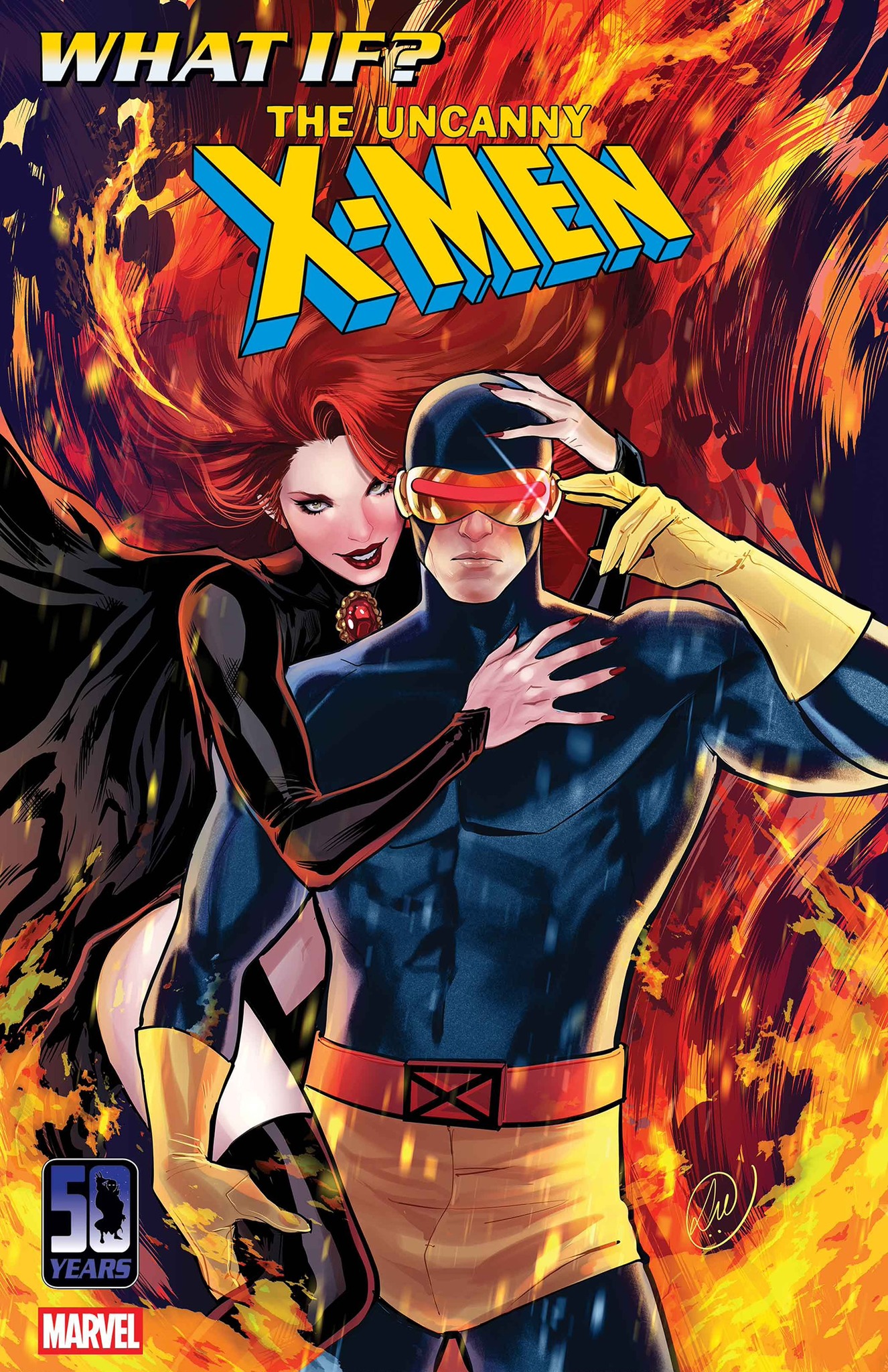 What If…?: Uncanny X-Men # 1 – This new “What If…?” story explores the question: “What if Cyclops had stayed with Madelyne Pryor?” Instead of leaving Madelyne for the resurrected Jean Grey, Scott Summers saves Madelyne’s soul, and together they raise their infant son, Nathan Summers (who will become Cable). This premise offers a fresh perspective on Scott and Madelyne’s relationship, setting the story against the dramatic backdrop of the “Inferno” crossover. The narrative continues through to the Krakoa era, pushing the characters to their limits. As with many “What If…?” tales, this story dramatically alters familiar X-Men lore, presenting a bleak post-apocalyptic timeline that feels darker and more tragic—especially as Cyclops’ choices have unsettling consequences. Jan Bazaldua’s art and Arthur Hesli’s color skillfully capture the story’s darker tones while paying homage to the late 1980s X-Men era, adding depth to Gerry Duggan’s script. Although this is a strong and welcome addition to the “What If…?” series, the one-shot format feels rushed as the story would have benefited from a four-part run. Still, it’s an excellent way to celebrate the return of “What If…” for its 50th anniversary.
About Author
