The independent comics industry is facing one of its most heated controversies in recent years after multiple adult-themed crowdfunding campaigns on Kickstarter were reportedly suspended, rejected, or flagged during active fundraising periods, with many creators pointing to payment processor Stripe as the driving force behind the crackdown.
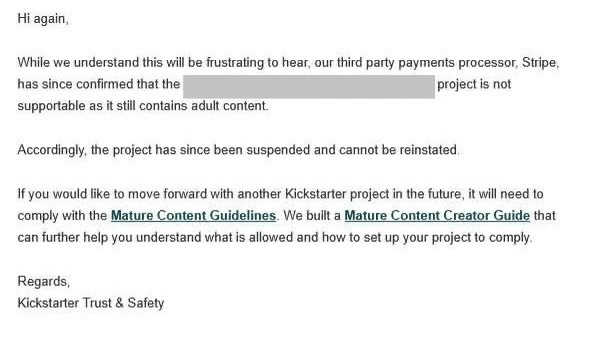
The situation has sparked widespread backlash among independent creators, publishers, and fans who argue the actions amount to financial censorship and threaten the future of mature-themed comics on crowdfunding platforms.
Over the last decade, Kickstarter has become the backbone of independent comics publishing. Thousands of creators have relied on crowdfunding to finance printing, shipping, and production costs while building direct relationships with readers outside the traditional comic shop distribution system. Mature-reader comics, horror anthologies, underground comix, and adult-themed variant covers became a major part of that ecosystem.
But in recent months, creators began sharing screenshots and emails online claiming their campaigns had come under sudden review for adult content. In several cases, creators alleged that campaigns already live and actively receiving pledges were halted or threatened with removal because of concerns tied to payment processing policies.
The controversy escalated quickly across social media, with creators accusing Kickstarter of changing enforcement standards without providing clear guidance on what content was prohibited.
“This isn’t just about pornography,” one independent creator wrote on X. “This is about platforms changing the rules after creators have already invested money into advertising, printing quotes, and promotion.”
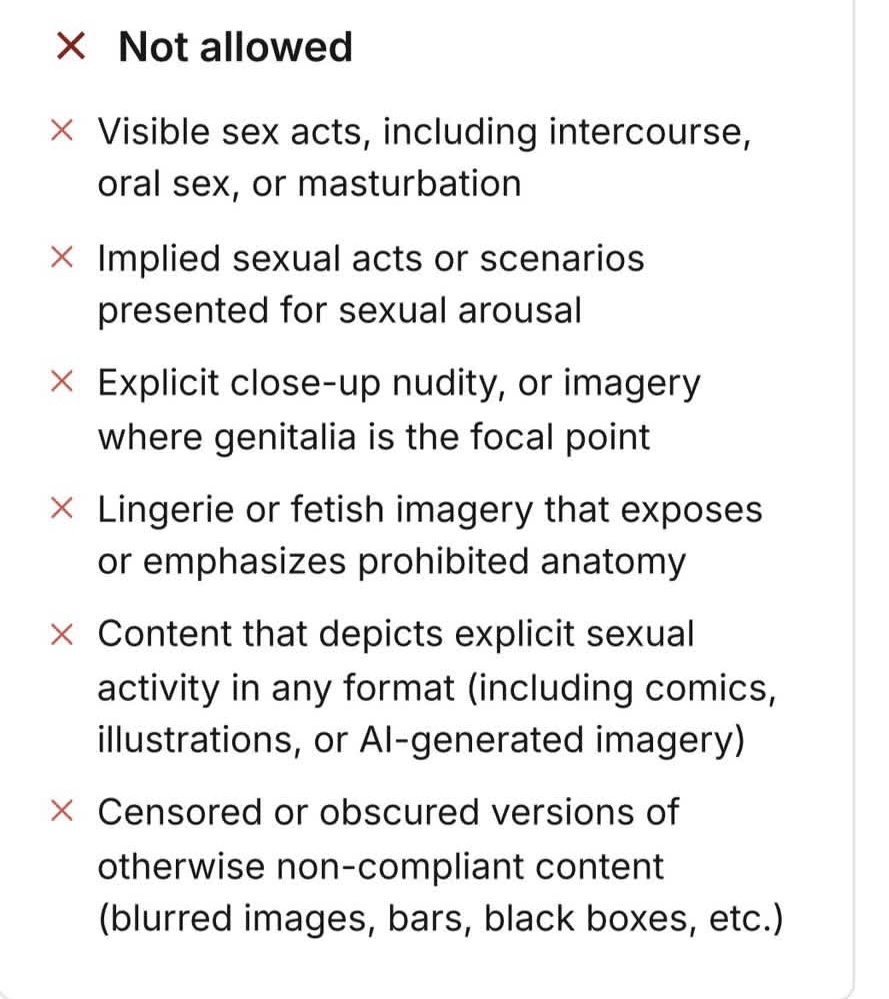
Many creators say the biggest problem is inconsistency. Some campaigns reportedly containing explicit sexual material were removed, while others featuring only mild nudity or suggestive artwork also received warnings. Critics argue the platform’s standards for “adult content” remain vague enough to create uncertainty across the entire comics category.
The fear has extended beyond erotic comics into horror, fantasy, LGBTQ-themed books, pin-up art collections, and mature-reader graphic novels.
Several creators now worry that even projects intended for artistic or narrative purposes could be flagged because payment processors may classify them as risky content.
At the center of the controversy is Stripe, the financial technology company that processes payments for Kickstarter campaigns. While Kickstarter hosts projects publicly, companies like Stripe control the movement of money between creators and backers. If a payment processor determines a category of content presents legal, reputational, or financial risk, platforms often have little choice but to comply.
That reality has fueled accusations of “financial censorship” throughout the comics community.
Unlike government censorship, financial censorship occurs when corporations indirectly restrict creative work by refusing to process payments tied to certain categories of content. Critics argue that modern digital creators are increasingly vulnerable because their livelihoods depend on platforms, payment systems, and online marketplaces they do not control.
“This shows how much power payment processors really have,” said one crowdfunding consultant familiar with indie comics campaigns. “People think Kickstarter decides everything, but if payment processors say no, the entire campaign can collapse.”
Supporters of stricter moderation policies argue that companies like Stripe face legitimate business concerns. Adult industries often carry higher fraud risks, regulatory scrutiny, and chargeback rates than other forms of entertainment. Financial institutions frequently pressure payment processors to minimize exposure to controversial or legally sensitive material.
Others argue that Kickstarter has the right to determine what kind of projects it wants associated with its platform.
Some critics within the comics industry claim the site had become flooded with campaigns relying heavily on sexually explicit variant covers and marketing tactics designed primarily around adult imagery rather than storytelling.
Still, opponents of the crackdown say the policies appear unevenly enforced and culturally inconsistent.
Many creators point out that graphic violence, gore, and extreme horror content rarely receive the same scrutiny as nudity or sexual material. Critics argue that American entertainment culture has long tolerated violent imagery while treating sexuality as inherently more dangerous or inappropriate.
The controversy has also raised concerns among LGBTQ creators and underground cartoonists who fear broad adult-content restrictions could disproportionately affect queer stories, body-positive art, or nontraditional romance narratives.
Historically, underground comix and queer comics were frequently targeted under obscenity standards, and some creators believe the current environment risks repeating that pattern through corporate policy rather than government regulation.
The timing has added to the anxiety within independent publishing circles.
Comic creators are already dealing with rising printing costs, higher shipping expenses, and an unstable direct market following years of disruption in comic distribution. For many small publishers, crowdfunding represents their primary source of survival.
“If Kickstarter becomes unreliable for mature readers books, some creators are simply going to disappear,” one indie publisher warned during a livestream discussion about the controversy.
In response, some creators have started exploring alternative crowdfunding platforms, including BackerKit, Indiegogo, and Zoop. However, many acknowledge that leaving Kickstarter is difficult because of its massive built-in audience and visibility within the comics market.
Kickstarter remains the dominant crowdfunding platform for comics, with campaigns frequently raising tens or even hundreds of thousands of dollars. Alternative sites often lack comparable traffic and discovery systems.
Industry observers say the controversy highlights a broader issue affecting digital creators across entertainment industries: dependence on infrastructure owned by major corporations.
Modern creators may own their intellectual property, but they often rely on third-party systems for payments, audience access, advertising, and distribution. A single policy change at any layer of that system can disrupt an entire business model overnight.
The backlash against Kickstarter and Stripe has continued to grow online, with hashtags related to censorship and creator rights circulating widely among indie comics communities.
Some creators are now demanding clearer guidelines, stronger appeals processes, and transparency regarding how adult-content reviews are conducted. Others are calling for decentralized creator-owned platforms that would reduce dependence on traditional payment systems altogether.
Whether the controversy results in long-term policy changes remains unclear.
Neither Kickstarter nor Stripe has fully satisfied critics seeking detailed explanations about how adult-themed comic projects are evaluated or why some campaigns appear to be treated differently than others.
For many independent creators, however, the damage may already be done.
The controversy has exposed how vulnerable the modern creator economy can be when artistic expression depends on financial infrastructure controlled by companies with shifting standards and risk assessments.
For the comics industry, the debate has become larger than adult content itself. It now touches on questions of artistic freedom, corporate influence, and who ultimately gets to decide what kinds of stories are allowed to exist in the crowdfunding era.
As the backlash continues, many creators fear this may only be the beginning of a larger battle over censorship, financial control, and the future of independent publishing online.
About Author
