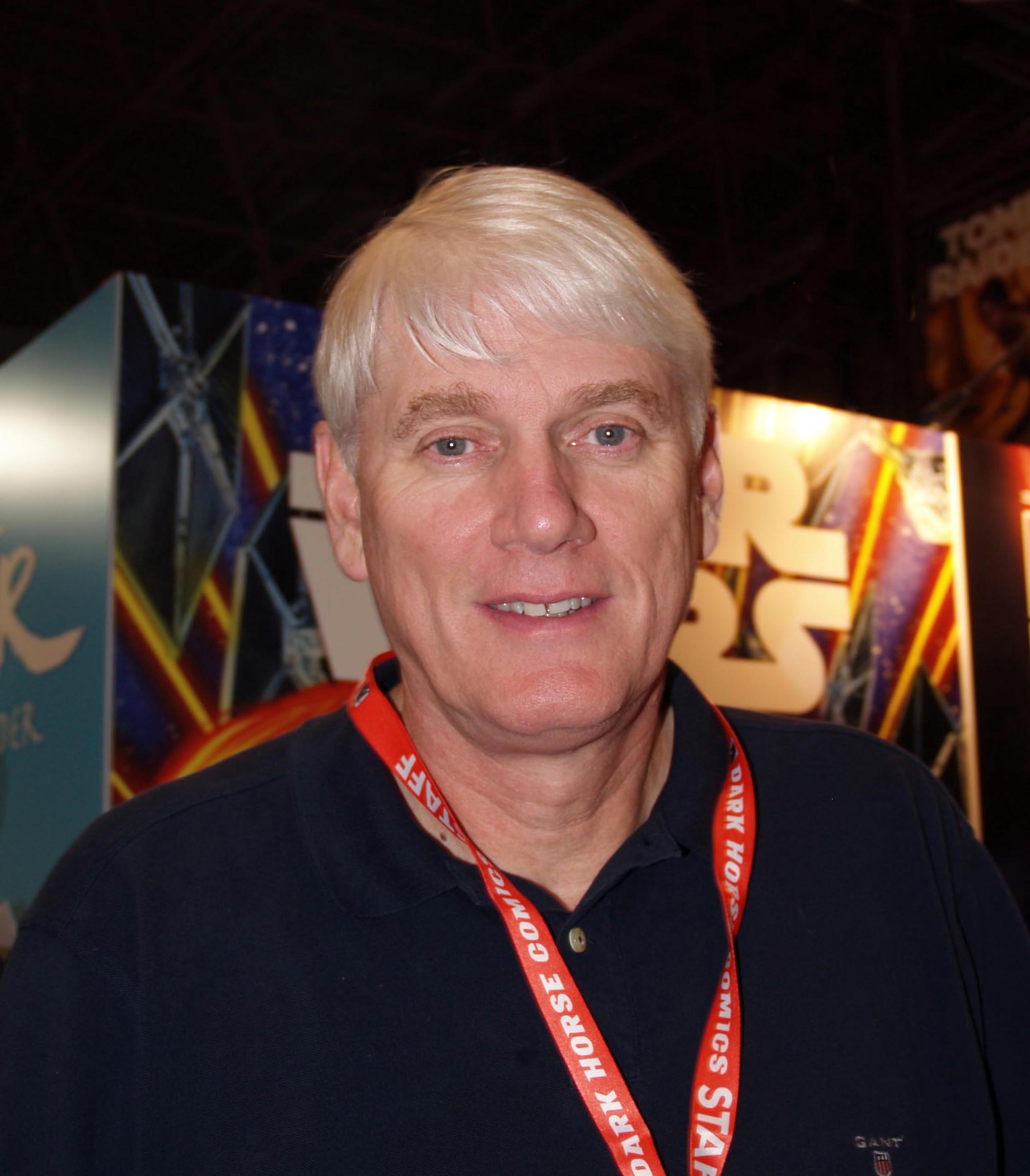
The comic book industry was shaken in early March 2026 when Mike Richardson, the founder and longtime leader of Dark Horse Comics, was removed from his position after roughly forty years at the helm. The move, made by Dark Horse’s parent company Embracer Group, marks a dramatic turning point for one of the most influential independent publishers in comics history.
Richardson founded Dark Horse in 1986 after operating comic book stores in Oregon, building the company into a powerhouse of creator-owned and licensed comics. Over four decades, the publisher became known for landmark titles such as Hellboy, Sin City, and The Umbrella Academy, along with major licensed properties including Star Wars, Aliens, and Predator.
Despite remaining in charge after Embracer acquired Dark Horse in 2022, Richardson has now been replaced. Industry reports say the decision is part of a broader effort to restructure the company and better align it with Embracer’s multimedia strategy across publishing, games, film, and merchandise.
Gaming executive Jay Komas has been installed as interim CEO while the company transitions to its new leadership structure.
Richardson’s influence on the comics industry is difficult to overstate. Dark Horse became one of the largest independent publishers in the United States and was widely respected for giving creators ownership of their intellectual property and a share of profits—something uncommon in the industry when the company launched.
Under Richardson’s leadership, Dark Horse also pioneered the idea of using comics as a launchpad for film and television adaptations. Projects like The Mask, Timecop, and Hellboy demonstrated that comic book properties outside of Marvel and DC could succeed in Hollywood.
The decision to remove Richardson appears tied to broader corporate restructuring at Embracer. The company has faced financial pressures and has been reshaping several divisions across its entertainment holdings. Dark Horse is now expected to operate more closely with Embracer’s gaming and multimedia initiatives as part of a unified IP strategy.
For longtime industry observers, the removal of the company’s founder is both shocking and symbolic. While leadership changes often follow corporate acquisitions, Richardson had remained closely tied to the identity and creative direction of Dark Horse for decades.
The future of Dark Horse under new leadership remains uncertain. The publisher still controls a wide range of valuable properties and licenses—including franchises connected to gaming, film, and streaming media—which may become central to Embracer’s plans moving forward.
At the same time, many creators and fans are watching closely to see whether Dark Horse will continue its long tradition of supporting creator-owned comics. That philosophy helped define the publisher’s reputation and attracted major talent over the years.
Whether Richardson’s departure proves to be a temporary corporate reshuffling or a fundamental shift in direction, one thing is clear: his removal closes a historic chapter in the comic book industry. The publisher he built from a small comic shop operation grew into one of the most important independent voices in comics—a legacy that will continue to shape the medium long after his departure.
About Author
