
Casinos and card tables have shown up in comics far more often than you might think. For decades, writers have used gambling scenes to reveal risk, temptation, and luck, themes that fit perfectly in a world full of capes, chaos, and chance. From the glittering lights of fictional Las Vegas knock-offs to smoky underground poker dens, casino games have been part of the comic landscape since the Golden Age.
They aren’t always about money. In comics, a poker hand or a roulette spin can represent control, confidence, or surrender. It’s an easy metaphor for the stakes every hero faces: one bad move, and the whole game changes.
Casinos as Symbol and Setting
 When a comic needs tension, few places work better than a casino floor. The mix of bright lights, hidden danger, and quiet calculation makes for a natural storytelling rhythm. Superheroes walk into casinos for intel, villains use them for laundering, and noir detectives find trouble in every corner booth.
Marvel used gambling scenes as shorthand for danger long before Iron Man ever hit a movie screen. Tony Stark’s nights at high-roller tables mirrored his self-destructive streak. Meanwhile, over in DC, Selina Kyle’s Catwoman often dances between luxury and risk. She understands the odds better than anyone.
Even in indie and pulp titles, casinos pop up as creative backdrops. Think of Sin City’s Basin City, where every alley hides a dice table and moral stakes match the financial ones. The setting says more than dialogue ever could: everyone’s gambling with something.
It’s interesting how that sense of risk parallels real-world gaming. Readers who keep up with online casinos operating in the US will recognize the same psychology, the thrill of uncertainty, and the appeal of quick outcomes. Comic creators tap into that same tension, but through story rather than stakes.
Card Sharks, Tricksters, and Probability Powers
 Gambling isn’t just a backdrop; it’s built into certain characters. Marvel’s Gambit practically carries the symbol in his name. His charged playing cards are as iconic as Spider-Man’s webbing, a clever twist on both luck and weaponry. DC’s The Royal Flush Gang built an entire criminal hierarchy around cards, each member representing a suit or value.
Even beyond literal gamblers, probability itself has become a power. Domino manipulates luck, forcing outcomes in her favor. Longshot’s luck field makes the impossible bend. In both cases, chance becomes skill, turning random rolls into destiny. Writers love that contrast, the illusion that luck can be controlled if you’re clever enough.
When these characters play cards, it’s never just about winning; it’s about showing how they approach the odds life throws at them.
High Stakes, Low Places
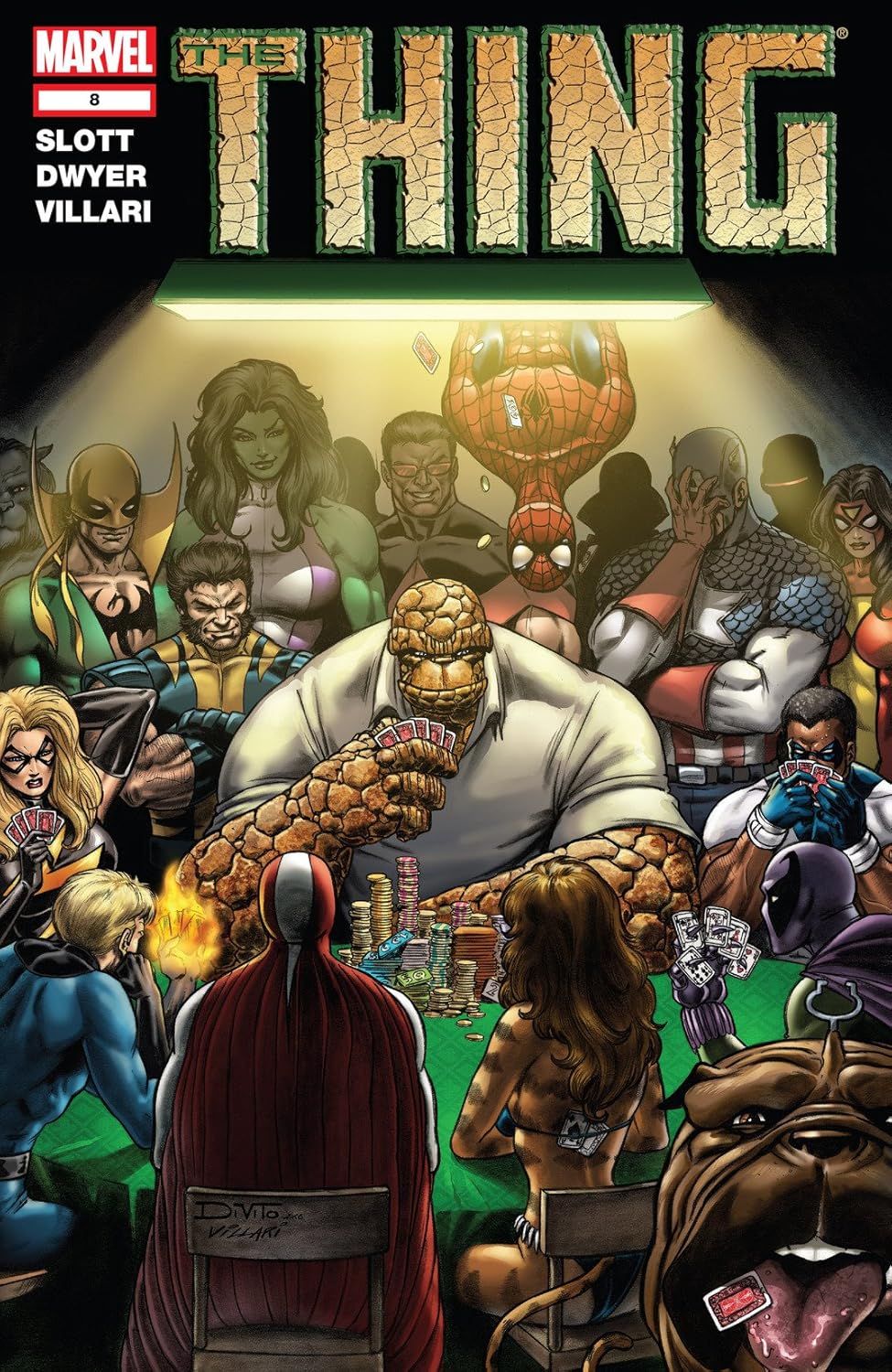 Casino scenes let comic artists show off atmosphere. Chips scatter, faces glow in neon, and panel layouts mimic card decks or roulette wheels. The visual rhythm of gambling, repetition, tension, and release suits the structure of comic storytelling perfectly.
Gritty crime runs like 100 Bullets or Criminals use gambling dens as a moral testing ground. Heroes with questionable ethics meet informants there, and everyone talks in metaphors about bets they can’t afford to lose. Even in lighter fare, like Archie’s occasional Las Vegas issues or manga like Kaiji, gambling becomes a mirror of personality.
The casino in comics works because it feels familiar: the hum of people taking risks, the balance between control and chaos. Whether it’s a smoky poker game in Gotham or a shiny space casino in Star Wars Adventures, that backdrop never really changes. It’s human nature in panels: the thrill of maybe.
About Author
